Strengthening Bonds: Taoiseach Micheál Martin’s Strategic 2026 Belfast Visit

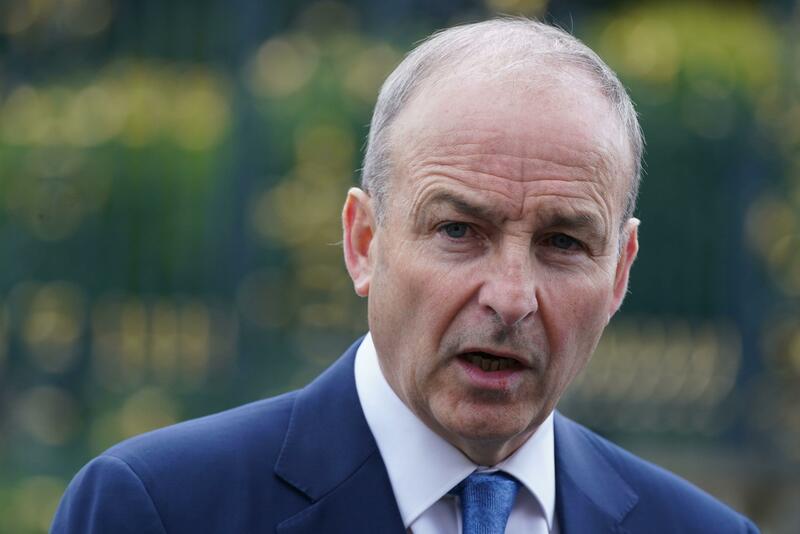
In a significant diplomatic move for 2026, Taoiseach Micheál Martin has arrived in Belfast, signaling a renewed commitment to cross-border cooperation and the enduring spirit of the Good Friday Agreement, also known as the Belfast Agreement. This high-profile visit, aptly titled ‘Taoiseach heads to Belfast to meet Stormont leaders and deliver lecture,’ comes at a pivotal time for all-island relations, as the Irish government looks to solidify its “Shared Island” initiative while addressing the practical realities of modern Northern Irish governance, particularly in light of the Northern Ireland Protocol.
The Taoiseach’s agenda is packed with high-level engagements, ranging from bilateral talks at Stormont to a landmark infrastructure announcement that promises to transform travel between Dublin and Belfast. As he steps into the role of orator for the prestigious Lord David Trimble Lecture, the visit serves as both a reflection on past peace process efforts and a roadmap for future collaborative growth, strengthening overall Anglo-Irish relations.
A Focused Itinerary: Bridging Politics, Business, and Society
The Taoiseach’s visit is not merely ceremonial; it is a multifaceted mission designed to touch every pillar of Northern Irish society. By balancing political discourse with civic engagement, Martin aims to reinforce the message that the Dublin-Belfast relationship is vital, evolving, and deeply interconnected, fostering shared prosperity across the island.
Bilateral Meetings at Stormont
The core of the Taoiseach’s visit involves direct, face-to-face meetings with Northern Ireland’s political leadership at Stormont. These discussions are expected to focus on the stability of local institutions, the effective functioning of the power-sharing executive, the implementation of cross-border agreements like those facilitated by the North-South Ministerial Council, and the navigation of post-Brexit economic landscapes. By engaging directly with Stormont leaders, including key Unionist and Nationalist leaders, the Taoiseach is reinforcing the importance of maintaining open lines of communication that transcend traditional party lines.
Engaging with Civil Society: Women’s Aid
Beyond the corridors of power, Martin has prioritized an engagement with Women’s Aid. This underscores a commitment to addressing social issues that affect both jurisdictions. By highlighting the work of this organization, the Taoiseach is signaling that the “Shared Island” vision is not just about economics or constitutional frameworks—it is about the lived reality of citizens and the protection of vulnerable communities.
The Business Perspective
Economic integration remains a cornerstone of the Taoiseach’s policy. During his visit, Martin is set to meet with key business leaders in Belfast to discuss the current economic climate and strategies for sustainable economic development in Northern Ireland. These conversations are crucial for identifying how the Irish government can better support trade, innovation, and cross-border investment, ensuring that the local economy thrives in a competitive global market.
The Enterprise Fleet: A €700 Million Leap for Connectivity
One of the most tangible outcomes of this visit is the formal marking of a €700 million contract for a new fleet of cross-border trains. This project, which is scheduled for delivery starting in late 2028, represents a massive investment in the physical infrastructure connecting the two capital cities.
Modernization: The new fleet will replace aging stock, offering increased capacity and higher speeds.
Sustainability: By prioritizing rail travel, the investment aligns with broader environmental goals to reduce carbon emissions across the island.
- Economic Impact: Better connectivity between Dublin and Belfast is a force multiplier for tourism, business travel, and labor mobility, effectively shrinking the distance between the two regions.
This investment is a clear demonstration of the “Shared Island” initiative in action—committing significant financial resources to projects that provide long-term, structural benefits to all citizens, regardless of their political affiliation.
Honoring a Legacy: The Lord David Trimble Lecture 2026
The centerpiece of the Taoiseach’s visit is his delivery of the Lord David Trimble Lecture 2026 at Queen’s University Belfast. This lecture is a significant platform, named in honor of one of the chief architects of the Good Friday Agreement.
Reflecting on the Good Friday Agreement
In his lecture, the Taoiseach is expected to emphasize that the principles of the 1998 Agreement, or Belfast Agreement, remain the bedrock of his government’s policy. David Trimble’s role in navigating the complexities of the peace process is a central theme, and Martin’s address serves as a reminder that the work of reconciliation is an ongoing process that requires constant vigilance and active participation.
Promoting Reconciliation and Mutual Trust
“I am committed to continuing to work toward reconciliation and mutual trust,” Martin stated ahead of the visit. The lecture provides an opportunity to articulate a vision for the future that moves beyond the sectarian divisions of the past. By focusing on “mutual trust” and fostering robust cross-community dialogue, the Taoiseach is addressing the need for a more mature, respectful dialogue between the various political traditions on the island.
The “Shared Island” Initiative: Looking Ahead
The “Shared Island” initiative has become the hallmark of Micheál Martin’s approach to Northern Ireland. It is a policy framework that seeks to move past the binary debates of the past and instead focus on shared challenges, such as climate change, healthcare, and infrastructure, aiming for genuine shared prosperity.
Strategic Priorities for 2026 and Beyond
The 2026 visit highlights a shift in focus toward long-term institutional stability. By investing in the Dublin-Belfast Enterprise fleet, the government is effectively “locking in” cooperation for the next decade. This strategy creates a foundation of shared interests that makes political cooperation more practical and less prone to disruption, further strengthening Anglo-Irish relations.
Addressing Evolving All-Island Priorities
The Taoiseach’s visit serves as a pulse-check on these priorities. As the geopolitical landscape shifts, the need for a unified approach to energy, logistics, and social services becomes increasingly clear. Martin’s presence in Belfast is a strategic effort to ensure that the Irish government remains an active, constructive partner in the development of Northern Ireland’s future and its continued economic development.
Conclusion: A Future Built on Dialogue
The Taoiseach’s 2026 visit to Belfast is a masterclass in modern diplomacy. By combining high-level political meetings with tangible infrastructure commitments and academic engagement, Micheál Martin is demonstrating that progress in Northern Ireland is best achieved through steady, consistent, and broad-based effort, reinforcing the ongoing peace process.
The commitment to the Lord David Trimble Lecture underscores a respect for history, while the €700 million train fleet deal anchors the relationship in a future of shared prosperity. As he navigates these complex waters, the Taoiseach’s message remains consistent: the path to a stable, prosperous, and reconciled island is one built on the foundations of mutual trust and constant, constructive dialogue.
As we look toward the delivery of the new train fleet in 2028 and beyond, it is clear that the bonds between the two jurisdictions are being strengthened not just through words, but through the hard, necessary work of institutional and civic partnership.