London Local Elections 2026: A Complete Voter’s Guide to the Capital’s Political Shake-up

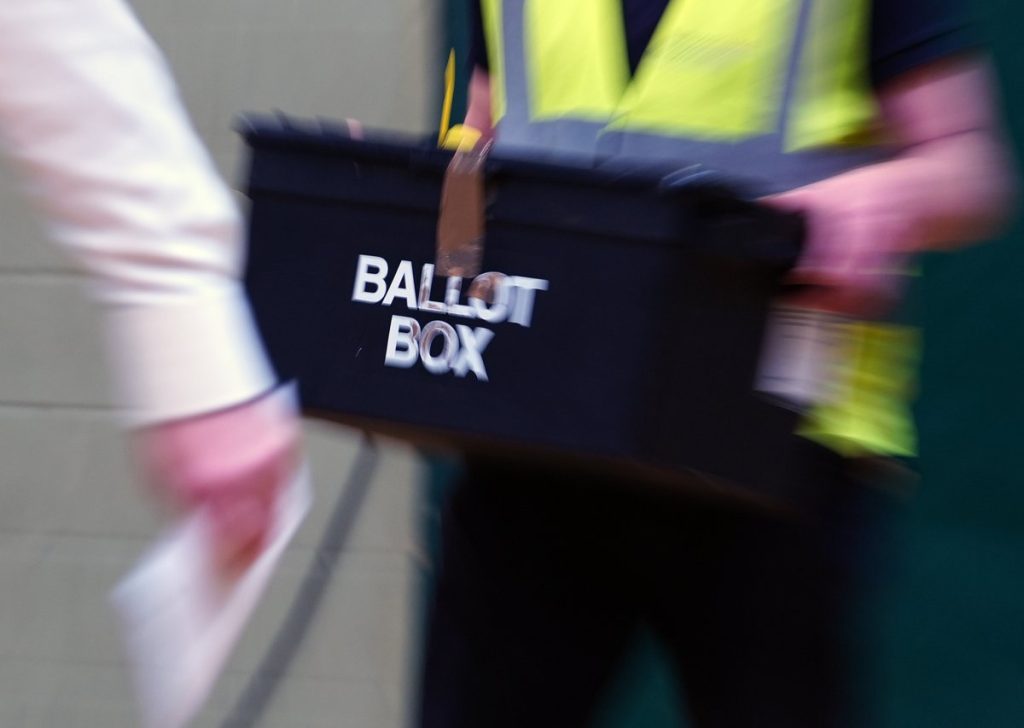
As May 7, 2026, approaches, the political landscape of the United Kingdom’s capital is bracing for a seismic shift. Millions of Londoners are heading to the polls to cast their ballots in the 2026 London local elections, a contest that will decide the composition of all 32 borough councils. With 1,817 seats up for grabs, the results will dictate everything from local council tax rates to planning policy and waste collection services for the next four years.
Whether you are a seasoned voter or a first-timer, understanding the stakes is crucial. This is not just a contest for local seats; it is a barometer of the national political mood. With shifting allegiances and the rise of new political movements, the 2026 vote promises to be one of the most unpredictable in recent history.
The Political Landscape: What’s at Stake in 2026?
The 2026 local elections represent a massive logistical and political operation. Every single councillor seat across London’s 32 boroughs is being contested. Since the last major cycle in 2022, the capital has experienced significant political volatility, moving from a period of Labour dominance to a more fragmented and competitive environment.
The Labour Party’s Defensive Strategy
In 2022, the Labour Party achieved a historic level of control, holding 21 of the 32 councils. However, the current political climate is vastly different. Labour is now on the defensive, facing aggressive challenges from the Green Party in inner-city boroughs and a growing wave of independent candidates in East London. The party’s ability to retain its stronghold in areas like Barking and Dagenham and Lewisham—where they previously won every seat—will be a key metric to watch on election night.
The Conservative Challenge
The Conservative Party, led by Kemi Badenoch, is looking to capitalize on voter dissatisfaction in outer London. Currently holding six councils, the Tories are focusing their efforts on suburban boroughs where issues like the expansion of low-emission zones and housing development have become flashpoints. Their campaign strategy hinges on positioning themselves as the primary alternative to the incumbent administration in key “battleground” boroughs.
The Rise of Independent and Smaller Parties
Perhaps the most intriguing aspect of the 2026 elections is the proliferation of independent candidates and smaller parties. From the Trade Unionist and Socialist Coalition to the Official Monster Raving Loony Party, voters have a diverse array of options. Independent groups, particularly in areas like Newham and Redbridge, have already proven they can flip seats, signaling a growing voter appetite for hyper-local representation over party-line politics.
Key Boroughs to Watch
While all 32 boroughs are important, some will serve as bellwethers for the national trend.
- Tower Hamlets: With an independent, left-wing “Aspire” administration, this borough remains a unique political experiment in the capital.
- Havering: Currently under “no overall control,” this borough is a high-stakes battleground where any party gaining a majority could claim a significant symbolic victory.
- Barnet, Westminster, and Wandsworth: These areas, which have historically seen tight two-party battles, will show whether the swing toward third-party candidates is a city-wide phenomenon or localized to specific demographics.
How to Vote: A Practical Guide for Londoners
Participating in the democratic process is simpler than many realize, but there are strict requirements you must follow to ensure your vote is counted.
1. Check Your Registration
Before you do anything else, ensure you are registered to vote. If you have recently moved house or changed your name, you must update your details with your local electoral registration office.
2. The Mandatory Photo ID Requirement
A crucial change in recent years is the requirement to provide photo ID at your polling station. You will not be allowed to vote without it. Accepted forms of ID include:
A valid UK or international passport.
A driving license (full or provisional).
A PASS card (National Proof of Age Standards Scheme).
Specific government-issued travel passes (such as an Older Person’s Bus Pass).
If you do not possess any of these, you can apply for a Voter Authority Certificate through the government’s official portal. Remember, you do not need to bring your polling card to the station, but you must have your ID.
3. Finding Your Polling Station
Polling stations are typically located in community hubs like schools, churches, and community halls. You can find your assigned location by entering your postcode into the Electoral Commission’s “Elections in your area” tool or using the “Where Do I Vote?” website.
4. When to Vote
Polling stations across London will be open from 7:00 am to 10:00 pm on Thursday, May 7, 2026. If you are in the queue by 10:00 pm, you are legally entitled to cast your vote.
What Happens After the Polls Close?
The counting process for the London local elections is a marathon, not a sprint. Some town halls will begin counting immediately after the polls close at 10:00 pm on Thursday night, while others will wait until Friday morning.
You can expect the results to “trickle in” from roughly 2:30 am on Friday, with the final results likely not confirmed until late Saturday evening. For those living in the five boroughs electing a mayor—Croydon, Hackney, Lewisham, Newham, and Tower Hamlets—the mayoral results will be announced alongside the councillor results, adding an extra layer of complexity to the counting process.
Analysis: Why the 2026 Results Matter
Political analysts suggest that the 2026 results will be the ultimate test of the current political cycle. Since the 2024 general election, we have seen over 50 Labour councillors defect to the Green Party, a sign of deep structural shifts in inner-city voting habits.
If these trends continue, we may see a “multi-party” London, where no single party holds a dominant grip on the city. This could lead to more coalition-led councils, requiring a higher degree of cross-party cooperation to pass local budgets and policies. For the average Londoner, this means your vote is more powerful than ever. A small shift in turnout in a single ward could be the difference between a majority administration and a hung council.
Frequently Asked Questions (FAQ)
Do I need to be a British citizen to vote?
No, but you must be a qualifying Commonwealth citizen, a citizen of the Republic of Ireland, or a qualifying EU citizen residing in the UK to vote in local elections.
Can I vote by post?
Yes, but you must have applied for a postal vote in advance. If you have a postal vote, it must reach your local electoral office by 10:00 pm on election day.
Why are there so many candidates on my ballot?
In most London wards, you will be electing two or three councillors. This is why you will see a long list of names representing various parties, as well as independent candidates. Make sure to read the ballot paper instructions carefully to see how many candidates you are allowed to vote for in your specific ward.
How do I know which candidates represent my views?
Most major parties have manifestos available online. Additionally, many local community groups and news outlets, such as Londonist or local borough websites, provide candidate profiles and “meet the candidate” sessions in the weeks leading up to the vote.
Conclusion
The 2026 London local elections are set to be a defining moment for the city’s future. As millions of voters prepare to head to their local polling stations, the focus remains on local issues: housing, transport, the cost of living, and the environment. By staying informed, verifying your ID, and showing up on May 7, you play a direct role in shaping the direction of your neighborhood and the wider capital.
Don’t sit this one out. Check your polling station, prepare your ID, and make your voice heard. Whether you are voting for the status quo or looking for a change in direction, the future of London’s 32 boroughs is in your hands.