Tipperary Tragedy: Postmortem Completed Following Discovery of Woman and Infant

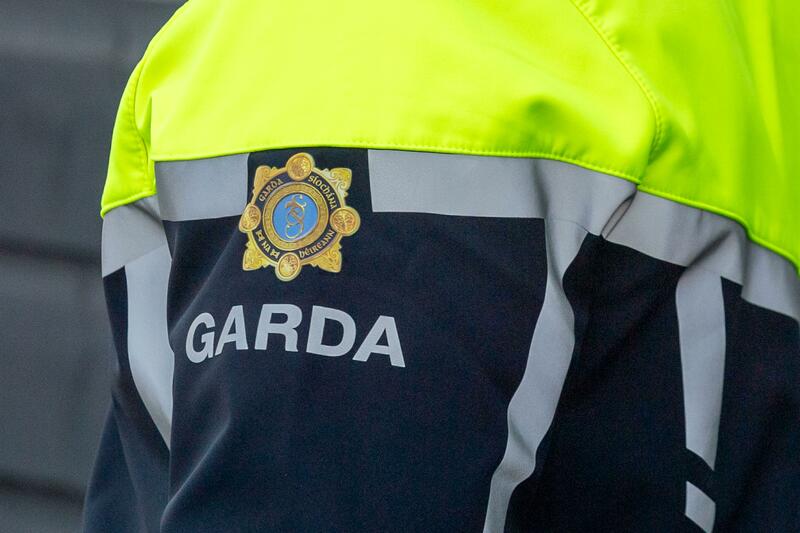
The quiet town of Carrick-on-Suir, County Tipperary, remains in a state of profound shock following the tragic discovery of a woman and an infant found deceased in a private residence last Friday. As of 2026, investigations into the circumstances surrounding this heartbreaking event continue, with authorities confirming that a postmortem examination on the woman has been finalized.
This incident has sent ripples of sorrow through the local community and has sparked a wider conversation regarding maternal health, home births, and the availability of support services in rural Ireland.
The Garda Investigation: Current Status
Gardaí have maintained a sensitive and methodical approach to this investigation. Recognizing the delicate nature of the circumstances, law enforcement officials have categorized the incident as a medical tragedy rather than a criminal matter.
Postmortem Findings and Operational Protocol
A postmortem examination was conducted on the woman, who was in her 30s, at University Hospital Waterford. While the autopsy is complete, the results have not been released to the public. Gardaí cited “operational reasons” for withholding the specific medical findings, a standard procedure intended to protect the privacy of the deceased and the integrity of the ongoing file preparation for the local Coroner.
A separate postmortem examination for the infant is scheduled for early next week. These forensic reports are essential components in determining the exact sequence of events that led to the deaths.
Focus on the Coroner’s File
The primary objective for the investigating team is the compilation of a comprehensive file for the County Coroner. This file will consolidate evidence from the scene, medical reports, and witness statements to provide a formal record of the tragedy.
It is widely understood by investigators that the deaths occurred during childbirth. Preliminary reports suggest that there were no healthcare professionals present at the home at the time of the incident, leading to a focus on the private nature of the circumstances.
Contextualizing the Tragedy in Rural Ireland
The loss of a mother and child in such sudden circumstances is an event that touches the heart of any community. In rural areas like Tipperary, where neighbors are often close-knit, the impact of such a loss is amplified.
Understanding Home Births and Medical Support
While home births are a valid and supported choice for many expectant mothers in Ireland, the medical community emphasizes the importance of professional oversight. Unassisted births, particularly those that occur without the presence of midwives or medical staff, carry inherent risks.
Health authorities often urge expectant parents to engage with formal maternity services to ensure that if complications arise, immediate medical intervention is available. This tragedy serves as a somber reminder of the vulnerabilities inherent in childbirth and the necessity of accessible, integrated maternal healthcare.
Community Impact and Support
In the wake of the news, local leaders and community members in Carrick-on-Suir have expressed their deepest condolences to the family involved. In times of such intense grief, the role of community support networks becomes vital. Local counseling services and pastoral care groups have mobilized to provide a space for residents to process the shock and offer support to those affected by the loss.
Historical Perspective on Maternal Welfare
Ireland has traveled a long, often difficult road regarding the documentation and investigation of deaths involving mothers and infants. The legacy of the Mother and Baby Homes Commission of Investigation remains a significant part of the national discourse.
Learning from the Past
The work of historians like Catherine Corless, who brought to light the realities of the Bon Secours Mother and Baby Home in Tuam, has fundamentally changed how Irish society views maternal and infant mortality. Today, there is a much greater emphasis on transparency, the dignity of the deceased, and the duty of the state to investigate such matters with the utmost care and respect.
The current investigation in Tipperary is being handled with this modern standard of sensitivity, ensuring that the focus remains on the dignity of the mother and child while seeking the truth behind the tragedy.
Analyzing the Reporting of Medical Tragedies
The media coverage surrounding this event has been characterized by a high degree of caution. In cases involving personal tragedy, the balance between the public’s right to know and the family’s right to privacy is a constant tension.
The Role of Official Statements
Gardaí have been careful to avoid speculation. By labeling the event a “medical tragedy,” they have effectively signaled to the public that there is no suspicion of foul play. This distinction is crucial in preventing the spread of misinformation and reducing the potential for unnecessary public alarm.
Why Results Remain Confidential
The refusal to release specific details of the postmortem is not a sign of secrecy, but rather a protection of the legal process. The Coroner’s Court is the appropriate venue for the dissemination of such sensitive information, as it provides a structured environment where facts can be presented accurately and respectfully.
Looking Forward: Ensuring Safety and Awareness
As the investigation moves forward, the focus remains on the preparations for the inquest. Inquest proceedings are designed to establish the “who, when, where, and how” of a death. For the family, this process can provide a sense of closure, even in the midst of unspeakable grief.
Advocacy for Maternal Health
Public health experts may use this incident to further advocate for robust maternal health awareness campaigns. Ensuring that women are informed about the risks and benefits of various birth settings is a priority for the Health Service Executive (HSE).
By fostering a culture where expectant mothers feel empowered to seek help and where the stigma surrounding medical complications is reduced, society can work toward preventing similar tragedies in the future.
Conclusion
The tragedy in Carrick-on-Suir is a poignant reminder of the fragility of life. As the community waits for the final findings from the Coroner, the focus remains on supporting the family and honoring the memory of the mother and child.
The completion of the postmortem is a necessary step in the investigative process, but for the local community, it is also a step toward processing a profound loss. As we move through 2026, the lessons learned from this incident will undoubtedly contribute to the ongoing efforts to improve maternal safety and community support systems across Ireland.