Hantavirus Cruise Crisis: British Passengers to Quarantine at Arrowe Park Following MV Hondius Outbreak

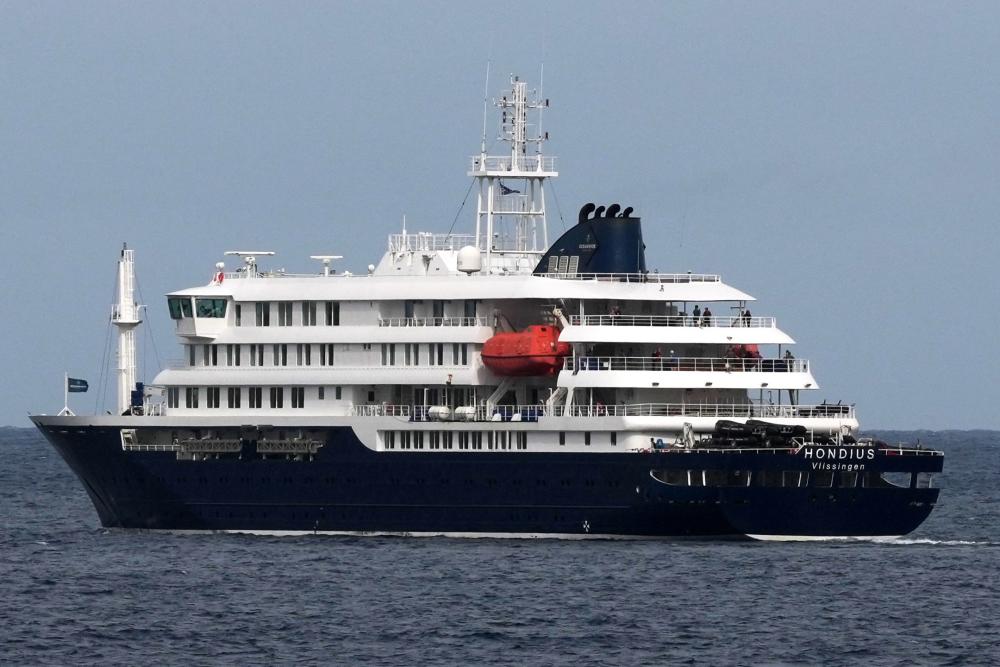
The global travel community is on high alert in May 2026 as a harrowing health crisis unfolds aboard the polar expedition vessel, the MV Hondius. Following a deadly outbreak of hantavirus that has already claimed three lives, international authorities are scrambling to orchestrate a complex repatriation mission. For the 19 British passengers and three crew members on board, the journey home will conclude not with a return to their own beds, but with a mandatory stay at the Arrowe Park Hospital in the Wirral, Merseyside.
This facility, which gained national recognition as the UK’s primary quarantine site for citizens returning from Wuhan during the 2020 pandemic, is once again at the forefront of a public health response. As the vessel makes its way toward Tenerife, the situation highlights the logistical and psychological challenges of managing infectious diseases in the modern age of cruise travel.
The MV Hondius Situation: A Vessel in Limbo
The MV Hondius, a ship designed for remote polar exploration, has become the center of a global health scare. After spending several days stranded off the coast of Praia, Cape Verde, the vessel was denied entry by local authorities who feared that an influx of infected passengers would collapse their local healthcare infrastructure.
This “ship in limbo” scenario has reignited debates regarding maritime health protocols. Unlike the early days of the Covid-19 pandemic, where cruise liners were left adrift for weeks, the international community has moved with greater, albeit cautious, speed. The Spanish government, coordinating with the Canary Islands, has agreed to allow the vessel to anchor off the coast of Tenerife, provided that repatriation flights are ready to receive passengers immediately upon arrival.
Understanding the Hantavirus Threat
Hantavirus is a group of viruses primarily spread by rodents. Humans typically contract the infection through contact with rodent urine, saliva, or droppings, or by inhaling dust contaminated by these materials. Unlike respiratory viruses that spread easily between humans, hantavirus is rarely transmitted from person to person.
However, the severity of the illness—which can lead to Hantavirus Pulmonary Syndrome (HPS)—has necessitated a robust containment strategy. Symptoms often begin with fatigue, fever, and muscle aches, which can rapidly progress to respiratory distress. The three fatalities reported on the MV Hondius have underscored the lethal potential of the virus, justifying the strict quarantine measures currently being implemented.
WHO Intervention: Calming Global Fears
As the ship approached the Canary Islands, tensions among local residents reached a fever pitch. Memories of the 2020 lockdowns remain vivid, leading to widespread anxiety about a new, unknown infection arriving on their shores. To mitigate this, Dr. Tedros Adhanom Ghebreyesus, the Director-General of the World Health Organization, issued a personal appeal to the public.
Dr. Tedros emphasized that while the situation is “serious,” the risk of a widespread outbreak remains low. His statement was a calculated effort to prevent panic:
“I know that when you hear the word ‘outbreak’ and watch a ship sail toward your shores, memories surface that none of us have fully put to rest… But I need you to hear me clearly: this is not another Covid.”
This high-level reassurance was pivotal in securing the cooperation of the Canary Islands’ government, allowing the ship to finally anchor near the commercial port of Granadilla for the screening process.
The Merseyside Quarantine Plan
For the British contingent, the final leg of their journey involves a specialized transfer to the Arrowe Park Hospital. Janelle Holmes, the chief executive of the Wirral University Teaching Hospital Trust, has confirmed that the facility is prepared to provide a secure and humane environment for the passengers’ isolation period.
Why Arrowe Park?
The choice of Arrowe Park is strategic. The hospital’s existing infrastructure for quarantine, combined with its experienced staff, makes it the safest location for monitoring individuals who may have been exposed to the virus. Key aspects of the quarantine plan include:
Medical Screening: All passengers will undergo rigorous testing upon landing in the UK to identify any signs of illness.
42-Day Isolation: Passengers are being asked to isolate for 42 days from their potential point of exposure. While this is a lengthy period, it aligns with the incubation window of the virus, ensuring that no further cases emerge in the community.
- Support Services: The government has pledged to provide full support, including mental health resources, to those undergoing this extended period of isolation.
Logistical Hurdles and the “Wind Factor”
The success of this operation hinges on a very tight schedule. Meteorologists have warned that wind speeds off the coast of Tenerife are expected to increase significantly after Monday. This weather shift could effectively trap any passengers who have not yet been processed.
The urgency is palpable. The Spanish government and international medical teams are working around the clock to ensure that the 146 passengers on board are processed, screened, and transferred to waiting aircraft before the weather turns. This race against time highlights the extreme difficulty of managing health crises in maritime environments, where the weather is as much a factor as the virus itself.
Lessons from the MV Hondius
The 2026 hantavirus outbreak serves as a stark reminder of the vulnerabilities inherent in global travel. As the cruise industry continues to expand into more remote and environmentally sensitive areas, the risk of exposure to zoonotic diseases—those that jump from animals to humans—increases.
Strengthening Maritime Health Security
Experts are already calling for a complete overhaul of maritime health protocols. Potential future requirements may include:
- Enhanced Zoonotic Surveillance: Better screening of ships returning from remote areas to ensure no rodent infestations are present.
- International Rapid Response Networks: Establishing pre-approved “safe harbors” that have the capacity to handle medical emergencies without overwhelming local healthcare systems.
- Standardized Quarantine Protocols: Developing a global framework for how passengers are repatriated during health emergencies to prevent the “ship in limbo” scenarios seen in both 2020 and 2026.
Conclusion: A Test of Resilience
As the British passengers prepare to touch down in the UK and head to Arrowe Park, the focus shifts from crisis management to recovery. The individuals aboard the MV Hondius have endured a traumatic ordeal, compounded by the uncertainty of being stranded at sea during a deadly medical emergency.
The response from the UK government and the WHO demonstrates a maturation in how we handle infectious disease outbreaks. By balancing caution with compassion, and by utilizing established, secure facilities like the one in Merseyside, the authorities hope to contain the threat while minimizing the social and economic disruption. For now, the world watches and waits, hoping that this incident remains an isolated cluster and not the beginning of a broader health crisis.