Hantavirus-Hit Cruise Ship Arrives in Tenerife: Inside the Global Repatriation of MV Hondius Passengers

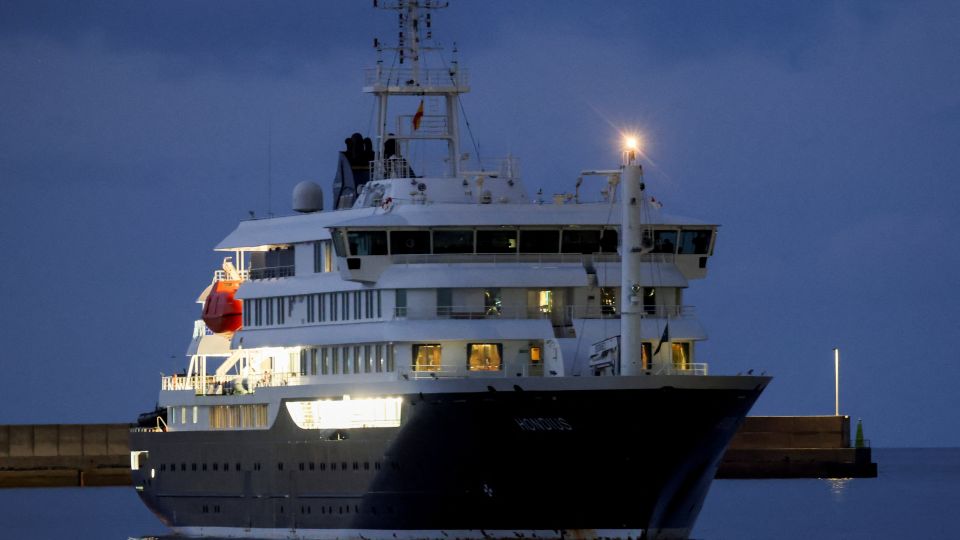
The maritime world and global health authorities are currently focused on the Spanish island of Tenerife as the MV Hondius, a cruise ship grappling with a deadly hantavirus outbreak, has finally arrived at the Port of Granadilla. This arrival marks the beginning of a complex, multi-national repatriation operation designed to bring 147 passengers home under the strictest biosafety protocols seen in 2026.
As the vessel anchored at a safe distance from the dock on Sunday morning, the air in the Canary Islands was thick with a mixture of relief and apprehension. The journey, which began in Argentina last month, has been marred by tragedy, with three confirmed deaths linked to the virus and several other medical evacuations taking place mid-voyage.
The Arrival: A High-Stakes Maritime Operation
The arrival of the MV Hondius at the Port of Granadilla was not a standard docking procedure. Due to the nature of the hantavirus—specifically the Andes virus strain identified in this outbreak—local officials and the tour operator, Oceanwide Expeditions, have implemented a “buffer zone” strategy.
Strategic Offshore Anchoring
The ship is currently positioned at what officials describe as the “safest distance” from the main pier. This prevents any accidental contact with port staff and ensures that the environment remains controlled. The evacuation process is being conducted using small zodiacs and transport boats with a strictly limited capacity of 10 people per trip.
Coordination with International Airfields
The logistics of the disembarkation are being synchronized with a fleet of repatriation aircraft. Nations including the United States, Germany, France, Belgium, Ireland, and the Netherlands have dispatched specialized medical or charter flights to Tenerife South Airport. The goal is to move passengers directly from the water to the tarmac, minimizing their footprint on Spanish soil.
Understanding the Outbreak: What is the Andes Hantavirus?
To understand the severity of the response in Tenerife, one must look at the pathogen involved. While most hantaviruses are transmitted solely from rodents to humans via contact with infected urine or feces, the Andes virus—the species suspected in this cluster—is unique.
The Risk of Human-to-Human Transmission
Unlike its North American cousins, the Andes virus (prevalent in South America, where the ship departed) has shown a limited but documented ability for person-to-person transmission. This rare characteristic is exactly why the World Health Organization (WHO) and the CDC are treating the MV Hondius with such high levels of caution.
Symptoms: High fever, muscle aches, and severe respiratory distress.
Incubation Period: Can last up to 42 days, necessitating long-term monitoring.
Fatality Rate: Historically high, often exceeding 30% in severe cases.
The WHO first received reports of this cluster on May 2, 2026. While the organization maintains that the risk to the general public remains low, the isolated environment of a cruise ship acts as a catalyst for viral spread, making this repatriation a critical public health exercise.
National Responses: How Countries are Handling Their Citizens
The repatriation of the 147 passengers is a jigsaw puzzle of international health policy. Each nation has established its own set of “return-to-home” protocols based on their domestic risk assessments.
The United States: Nebraska’s National Quarantine Unit
The 17 American passengers on board are facing a rigorous return journey. According to officials from the Centers for Disease Control and Prevention (CDC), these individuals—none of whom currently show symptoms—will be flown directly to the University of Nebraska Medical Center.
This facility houses the National Quarantine Unit, a federal asset designed for high-consequence pathogens. After an initial assessment, Americans will be allowed to return to their homes but must undergo 42 days of active daily monitoring.
Spain: Military Hospital Isolation
Spain is taking an even more stringent approach for its 14 Spanish nationals. Health Minister Mónica García confirmed that these passengers would be the first to disembark.
They are required to wear FFP2 masks at all times during transit.
They will be housed in a military hospital in individual rooms.
A “no visitor” policy is strictly enforced.
- They will receive a PCR test immediately upon arrival and another seven days later.
Northern European Protocols
Germany, France, and the Netherlands are expected to follow a hybrid model of hospital observation and strict home quarantine, depending on the exposure level of the specific passenger.
Tension in the Canary Islands: Politics and Protests
The arrival of the “virus ship” has not been without local controversy. The Canary Islands, an autonomous community of Spain heavily dependent on tourism, has seen a wave of pushback from both political leaders and the workforce.
Political Opposition
Fernando Clavijo, the leader of the Canary Islands, expressed vocal opposition to the ship docking in Tenerife earlier in the week. His concerns centered on the potential for the virus to escape the port perimeter and the impact such an event would have on the islands’ reputation as a safe travel destination in 2026.
Port Worker Protests
In the days leading up to the arrival, port workers in Tenerife held demonstrations. Their primary grievance was a lack of transparent communication regarding the safety measures in place for those working in the vicinity of the Granadilla dock. While the passengers are not using the main terminal, the presence of a “hot” vessel has created a climate of fear among the local maritime community.
The Path Forward for MV Hondius
Once the final passenger has been evacuated and the repatriation flights have departed, the ordeal for the MV Hondius is far from over.
Destination: Rotterdam
The ship, still carrying its crew and the passengers’ luggage, is scheduled to sail toward Rotterdam, Netherlands. The decision to keep luggage on board was a tactical one; it prevents the potential spread of the virus through contaminated surfaces during the chaotic repatriation process. The luggage will be professionally disinfected before being shipped to the passengers’ home addresses.
Deep Disinfection and Crew Welfare
In Rotterdam, the crew will finally disembark to undergo their own period of quarantine and medical evaluation. The ship itself will undergo a comprehensive bio-decontamination process. This involves specialized industrial teams using vaporized hydrogen peroxide and other high-level disinfectants to ensure every cabin and ventilation duct is free of viral particles.
Analysis: The Future of Cruise Safety in a Post-2026 World
The MV Hondius incident serves as a stark reminder that the cruise industry remains vulnerable to rare and “exotic” pathogens. While COVID-19 changed the way ships handle respiratory viruses, the hantavirus outbreak of 2026 highlights the need for specialized protocols regarding zoonotic diseases (diseases that jump from animals to humans).
Key Takeaways for the Travel Industry:
- Rodent Control in Remote Ports: Many expedition cruises visit remote areas where rodent populations are high. Stricter “rat-guard” and pest control protocols will likely become mandatory for all expedition-class vessels.
- Pre-embarkation Screening: In the future, health questionnaires may need to be supplemented with more specific geographic risk assessments based on current viral outbreaks in departure regions like South America.
- On-board Diagnostic Capabilities: The delay in identifying the hantavirus suggests that cruise ships may need to carry more advanced diagnostic kits (like rapid PCR for a wider range of pathogens) to catch outbreaks before they reach a crisis point.
Conclusion
As the sun sets over the Port of Granadilla, the focus remains on the 147 individuals whose vacation turned into a global health headline. The successful repatriation of the MV Hondius passengers will be a testament to international cooperation, but the scars of the three lives lost will linger.
Tenerife has stepped up as a reluctant but vital host for this operation, proving that even in the face of political and social tension, the humanitarian need to bring people home safely remains the priority. The world now watches the 42-day monitoring period, hoping that the spread of the Andes virus has finally been contained within the steel walls of the Hondius.
Frequently Asked Questions (FAQ)
Q: Is hantavirus common on cruise ships?
A: No, it is extremely rare. Hantaviruses are typically associated with rural, land-based environments. This incident is considered an anomaly, likely linked to an exposure event during a land excursion or at a previous port.
Q: Can I catch hantavirus from a returning passenger?
A: The risk is virtually zero for the general public. Passengers are being moved in “bubbles” and those from the US and Spain are undergoing strict quarantine or monitoring.
Q: Will the MV Hondius return to service?
A: Yes, after a full disinfection and certification by Dutch and international health authorities, the vessel is expected to return to its scheduled polar expeditions later in the year.