Hantavirus Cruise Ship Crisis: WHO Chief Urges Calm as Tenerife Prepares for Arrival

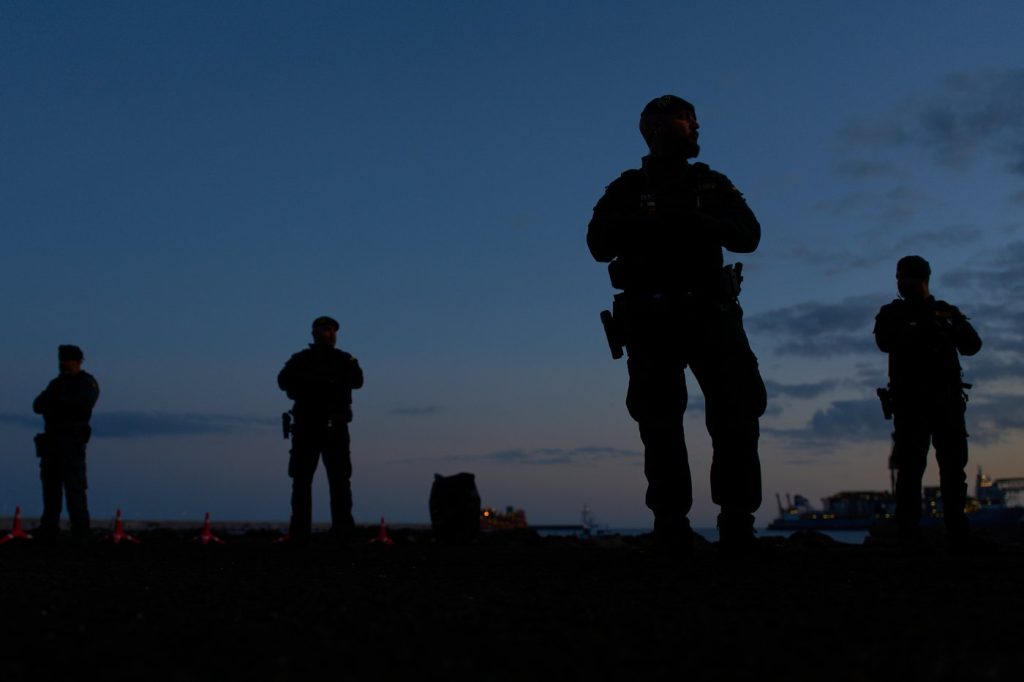
The global health community is currently on high alert as the MV Hondius, a Dutch-flagged cruise ship, makes its final approach toward the Canary Islands. With over 140 passengers and crew members on board, the vessel is carrying more than just travelers; it is grappling with an outbreak of hantavirus, a rare but potentially life-threatening respiratory infection. As the ship nears the port of Tenerife, the atmosphere on the island is a volatile mix of humanitarian concern and deep-seated apprehension.
World Health Organization (WHO) Director-General Tedros Adhanom Ghebreyesus arrived in Tenerife this weekend, acting as the primary voice of reason amidst rising public anxiety. His mission is clear: to coordinate a safe, controlled disembarkation while preventing the kind of mass panic that defined the early stages of the 2020 pandemic.
Understanding the Hantavirus Threat
Hantavirus is not a household name in the same vein as influenza or COVID-19, which has contributed to the confusion and fear among local residents. Unlike viruses that spread rapidly through airborne respiratory droplets, hantaviruses are primarily transmitted to humans through contact with the droppings, saliva, or urine of infected rodents.
Key Facts About the Outbreak:
Transmission: While human-to-human transmission is extremely rare, the Andes strain detected on the MV Hondius has shown a potential for limited person-to-person spread, requiring strict medical oversight.
Symptoms: Clinical signs typically manifest between one and eight weeks post-exposure, often presenting as flu-like symptoms before potentially escalating into severe respiratory distress.
Current Status: According to health officials, no one currently on board is symptomatic, though the history of the voyage includes three tragic fatalities and five confirmed infections among passengers who departed the ship earlier in the trip.
“Not Another COVID”: Addressing Public Anxiety
The psychological impact of the 2020 pandemic remains a palpable force in modern society. When news broke that an “outbreak-stricken” ship was heading toward their shores, many Tenerife residents expressed immediate alarm.
Director-General Tedros directly addressed these fears during a press conference on the island. “I know that when you hear the word ‘outbreak’ and watch a ship sail toward your shores, memories surface that none of us have fully put to rest,” he stated. By emphasizing that the current public health risk remains low and that this situation is fundamentally different from the COVID-19 pandemic, the WHO is attempting to decouple this event from the collective trauma of the past.
However, the skepticism remains. Local residents, like 69-year-old Simon Vidal, have publicly questioned the necessity of bringing the vessel to their specific region, highlighting a tension between global humanitarian responsibility and local community safety.
The Logistics of a High-Stakes Evacuation
The operation to bring the MV Hondius passengers ashore is a masterclass in international cooperation and clinical precision. Spanish Health Minister Monica Garcia and Interior Minister Fernando Grande-Marlaska are working alongside the WHO to ensure the process adheres to “maximum safety conditions.”
The Disembarkation Strategy:
- Anchorage: The ship will not dock at a traditional pier. It will remain at anchor, with passengers shuttled to the port in small, controlled groups.
- No Luggage: To minimize the risk of transporting contaminated residues, passengers are prohibited from bringing their luggage ashore. They are limited to a small bag for essentials, documentation, and mobile devices.
- Strict Quarantine: Upon arrival, Spanish citizens will be moved to designated medical facilities. International passengers will be managed under the EU civil protection mechanism, with repatriation flights coordinated for those who test negative and remain symptom-free.
- On-Board Containment: The ship itself, along with the remains of the deceased passenger and some crew members, will eventually sail to the Netherlands for a deep-clean and total disinfection.
Global Health Surveillance and Contact Tracing
The MV Hondius situation has highlighted the vulnerabilities in current global maritime health monitoring. The fact that over two dozen passengers disembarked the ship before the outbreak was identified—and then traveled to at least 12 different countries—has triggered a massive global contact tracing effort.
Health authorities from four continents are currently working to locate these individuals. While initial tests on those who were in contact with the deceased passengers have come back negative, the incubation period for hantavirus means that vigilance must be maintained for several weeks. This incident serves as a stark reminder of how interconnected the world remains and why rapid, transparent communication between international health bodies is vital.
Balancing Empathy and Security
The sentiment on the ground in Tenerife is complex. While some residents are vocal about their fears, others have expressed a sense of duty toward those trapped on the ship. Samantha Aguero, a local resident, captured the sentiment of many: “We feel a bit unsafe, we don’t feel as there are 100% security measures in place… but we also need to have empathy.”
This struggle between personal safety and human compassion is the hallmark of modern epidemiological crises. Governments are tasked with the impossible job of protecting their own citizens while honoring international maritime law and humanitarian obligations. By utilizing medical evacuation planes and strict quarantine protocols, Spain is attempting to thread the needle, providing a safe harbor for the sick while insulating the local population from potential exposure.
Looking Ahead: The Path to Resolution
As Sunday approaches and the MV Hondius prepares to offload its passengers, the world is watching. The success of this operation will likely hinge on the effectiveness of the quarantine facilities in Nebraska, the Netherlands, and Spain.
The WHO’s involvement is a signal that the international community is committed to preventing a localized outbreak from becoming a global health emergency. For the people of Tenerife, the arrival of the ship represents a test of their endurance and their trust in public health institutions. If the current protocols hold and the virus is contained, the MV Hondius incident may go down in history not as a tragedy, but as a successful example of proactive, science-led crisis management.
Final Thoughts
The narrative surrounding the MV Hondius* is one of caution rather than panic. By distinguishing this hantavirus event from the widespread viral threats of the past, the WHO is trying to foster a culture of evidence-based response. As the passengers step off the ship and into the hands of medical professionals, the priority remains the same: treat the sick, monitor the exposed, and reassure the public through transparency.