Standoff at the Strait: US-Iran Conflict Remains Deadlocked as Ceasefire Hangs in the Balance

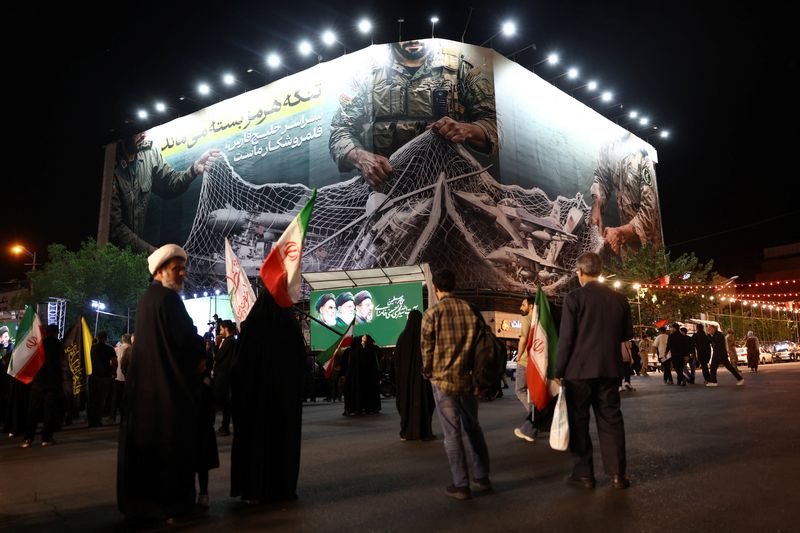
The geopolitical landscape of 2026 remains precarious as the US-Iran conflict shows no signs of a definitive resolution. As of May 9, 2026, Washington remains in a state of high-stakes anticipation, waiting for Tehran to provide a formal response to the latest ceasefire proposals. Despite weeks of sporadic fighting and intense diplomatic maneuvering, the core issues—ranging from nuclear non-proliferation to the freedom of navigation in the Strait of Hormuz—remain unresolved.
With President Donald Trump scheduled to depart for a high-profile visit to China next week, the pressure to reach a breakthrough is mounting. The conflict, which ignited following the February 28 airstrikes, has sent shockwaves through global energy markets and raised existential questions about the future of international trade routes.
The Fragile Ceasefire: A Conflict in Limbo
While a nominal ceasefire has been in place since April 7, the reality on the ground suggests a much more volatile situation. Recent days have seen the most significant escalation of hostilities since the agreement was signed. The Strait of Hormuz, a critical artery for one-fifth of the world’s oil supply, has become a theater of kinetic engagement rather than a corridor for commerce.
Recent Flare-ups and Military Engagements
The U.S. military recently confirmed an engagement near the strait, where a fighter jet was forced to strike the smokestacks of two Iran-linked vessels attempting to enter an Iranian port. This incident highlights the “cat-and-mouse” nature of the current naval blockade. While Iranian officials have claimed that the situation has calmed, they have simultaneously issued warnings that further military confrontations remain a distinct possibility.
The conflict has expanded well beyond the maritime domain. The United Arab Emirates (UAE) reported a significant escalation on Friday, as its air defense systems intercepted ballistic missiles and drones launched from Iranian territory. The incident resulted in several injuries, further complicating the diplomatic efforts of regional mediators.
Diplomatic Deadlock and the Nuclear Standoff
At the heart of the current impasse is a fundamental disagreement over the scope of any peace agreement. Secretary of State Marco Rubio has been vocal about Washington’s expectation for a swift response, emphasizing that the U.S. proposal aims to end the war formally before addressing more complex, long-term issues.
The Nuclear Hurdle
The primary point of contention, according to intelligence sources and diplomatic analysts, is Iran’s nuclear program. Tehran has been historically resistant to the sweeping restrictions demanded by the U.S. administration. While Washington views the nuclear issue as non-negotiable for a lasting peace, Iranian Foreign Minister Abbas Araqchi has accused the U.S. of prioritizing “reckless military adventures” over genuine diplomatic solutions whenever a breakthrough seems within reach.
The Challenge of Global Alignment
The U.S. has found itself increasingly isolated on the international stage regarding its strategy in the Middle East. During recent meetings, European leaders—including Italy’s Giorgia Meloni and Germany’s Friedrich Merz—have expressed concerns about the precedents being set by the blockade. While these nations share a mutual goal of preventing a nuclear-armed Iran, they remain divided on the efficacy of the current U.S. maximum-pressure campaign.
Economic Warfare: Sanctions and Energy Markets
As diplomacy stalls, the U.S. Treasury has intensified its economic pressure on Tehran. On Friday, new sanctions were announced targeting ten individuals and companies, some of which are based in China and Hong Kong. These entities are accused of facilitating the illicit procurement of materials for Iran’s Shahed drone program.
Secondary Sanctions and China’s Role
The U.S. has signaled its willingness to impose secondary sanctions on foreign financial institutions and independent oil refineries that continue to do business with Iran. This move is strategically timed ahead of President Trump’s upcoming visit to Beijing. By targeting the supply chain for military hardware, Washington hopes to squeeze Tehran’s capacity to wage war, even as CIA assessments suggest that the current blockade may take months to significantly erode Iran’s internal economic stability.
The Energy Market Impact
Energy markets have been in a state of constant flux since the war began in late February. With the Strait of Hormuz effectively blocked for non-Iranian traffic, the global economy faces a looming threat of supply chain disruption. The uncertainty regarding the duration of the conflict has forced major importers to seek alternative energy sources, further inflating costs and contributing to global inflationary pressures.
Future Outlook: What Comes Next?
As we look toward the remainder of 2026, the question remains whether the current diplomatic “wait-and-see” approach will yield results or lead to a deeper military entrenchment.
- The China Factor: President Trump’s visit to Beijing will be a critical inflection point. If the U.S. can secure Chinese cooperation in restraining Iranian procurement networks, the balance of power could shift.
- Internal Pressures: With the conflict proving unpopular among U.S. voters and straining alliances, the administration is under immense pressure to deliver a concrete “win” or a sustainable exit strategy.
- Regional Stability: The involvement of regional players like the UAE and other Gulf states suggests that the war is far from a bilateral issue. Any lasting peace must account for the security concerns of these nations, who find themselves on the front lines of the conflict.
The coming days will be pivotal. If Tehran fails to provide a substantive response to the U.S. proposal, it is likely that Washington will pivot toward further escalation, perhaps moving beyond economic sanctions into more aggressive military postures. The world watches with bated breath, hoping that the quiet around the Strait of Hormuz is the precursor to a lasting peace, rather than the calm before an even greater storm.