Shadow Ops: How Israel Built and Defended a Secret Iraqi Desert Base to Counter Iran

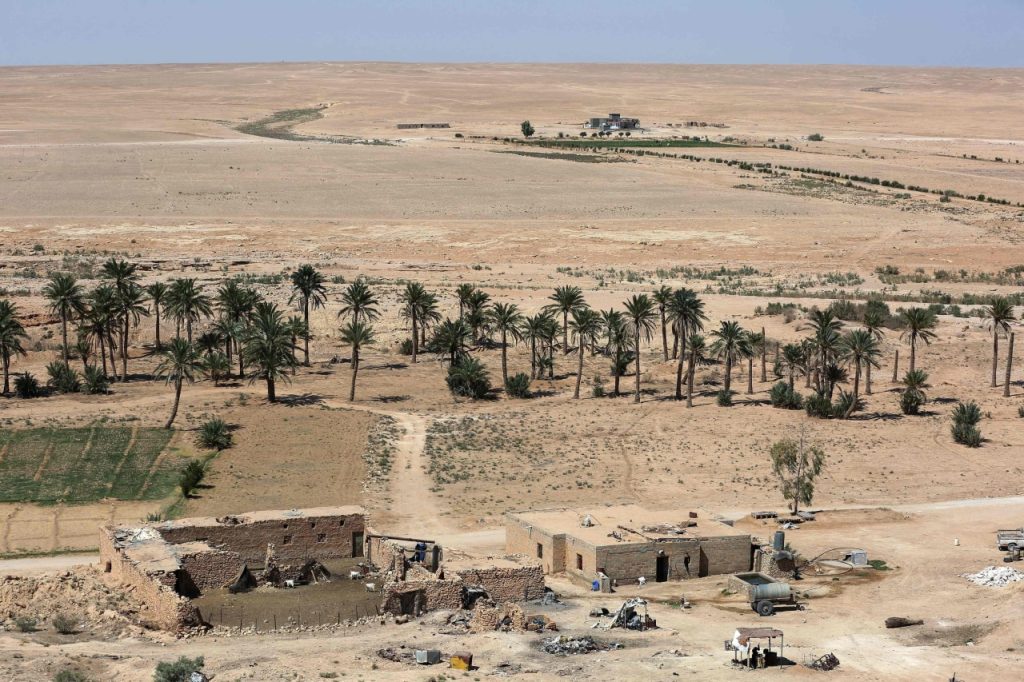
The geopolitical landscape of the Middle East underwent a seismic shift during the recent conflict, revealing a clandestine layer of warfare that few suspected. As the air campaign against Iran intensified, it became clear that traditional flight paths were insufficient for the operational demands of the Israeli Air Force (IAF). To bridge the 1,000-mile gap between Tel Aviv and Tehran, Israel executed one of its most audacious military maneuvers in decades: the construction of a clandestine military outpost deep within the Iraqi desert.
This article delves into the strategic necessity of the base, the high-stakes confrontation between Israeli special forces and Iraqi troops, and the complex web of regional intelligence that allowed such a facility to operate in total secrecy for months.
The Strategic Logic: Why Iraq?
Operating an air campaign against an enemy as distant as Iran requires more than just high-performance aircraft; it requires proximity. The logistical burden of mid-air refueling and the vulnerability of pilots during long-range sorties necessitated a forward-operating base (FOB).
The western desert of Iraq—a vast, desolate, and sparsely populated expanse—offered the perfect theater for such an installation. By establishing a hub in this region, Israel effectively extended its reach, allowing for:
Rapid Search-and-Rescue (SAR): Positioned to respond instantly if an Israeli pilot were downed over hostile territory.
Logistical Hubs: A staging point for fuel, munitions, and specialized equipment, reducing the reliance on long-haul sorties from home soil.
- Commando Operations: A base of operations for elite Israeli special forces units tasked with intelligence gathering and target designation.
The Geography of Secrecy
The Iraqi western desert is not merely a wasteland; it is a region with a history of hosting covert military activity. From the conflicts of 1991 to the fight against the Islamic State, various international actors have utilized this “empty space” to bypass traditional borders.
The selection of this site was a calculated risk. By embedding themselves in a region where local oversight is minimal and the terrain is inherently difficult to patrol, Israeli planners gambled that they could remain invisible. However, the desert is not entirely silent. Local nomadic populations and regional military patrols are the “eyes and ears” of the territory, and as the war progressed, the secret was destined to face scrutiny.
The March Confrontation: When the Secret Nearly Unraveled
The stability of the Israeli mission was shattered in early March. According to reports from regional officials, the base’s existence was almost compromised by a local shepherd who observed “unusual military activity,” including frequent helicopter flights.
When the Iraqi military responded to the shepherd’s report, they sent units toward the site in Humvees. What followed was a brief, lethal engagement. Israeli forces, tasked with protecting the perimeter, opened fire, resulting in the death of an Iraqi soldier and injuries to others.
The Fallout and Diplomatic Denial
The aftermath of this skirmish forced the Iraqi government into a corner. Lt. Gen. Qais Al-Muhammadawi, the deputy commander of the Joint Operations Command, publicly condemned the “reckless operation,” initially under the impression that the United States was responsible.
This diplomatic confusion served as a temporary shield for Israel. Because the U.S. has a visible, albeit controversial, presence in Iraq, the Iraqi government’s frustration was naturally directed toward Washington. This allowed the Israeli operation to continue, albeit under heightened security conditions, as the Iraqi military intensified its efforts to investigate the mysterious forces operating within their borders.
Intelligence, Special Forces, and the “Imagination”
The presence of Israeli Air Force special forces at the site was not merely for security; these units are among the most highly trained in the world, capable of conducting deep-penetration commando raids. Throughout the five-week campaign against Iran, these forces acted as the “teeth” of the operation.
In May 2026, as the air campaign concluded, former Air Force chief Tomer Bar hinted at the scale of these operations. In a letter to his servicemen, he noted that the special units had conducted missions “which could ignite the imagination.” These words, in hindsight, point directly to the audacity of the Iraqi desert base.
Lessons in Modern Warfare
The existence of this base demonstrates a shift in how regional powers approach “long-distance” conflict.
- Expeditionary Mindset: The ability to establish a “pop-up” base in a hostile or neutral country is now a critical component of modern air superiority.
- The “Gray Zone” Strategy: Operating in the gray zone—where the presence of forces is deniable—allows for tactical advantages that conventional warfare cannot provide.
- Local Intelligence Risks: The incident with the shepherd highlights the vulnerability of secret bases to local human intelligence. In a digital age, visual reporting from locals remains a primary threat to operational security.
The U.S. Role: Knowledge vs. Participation
While the U.S. was aware of the Israeli installation, officials have been quick to distance Washington from the specific tactical clashes that occurred. The U.S. has its own logistical requirements in the region and often establishes temporary sites to support its own air assets, such as the forward-operating base used during the rescue of downed U.S. airmen in April.
However, the Israeli base was a distinct project. By allowing Israel to utilize the desert space, the U.S. essentially provided a strategic “blind eye,” acknowledging that Israel’s ability to strike Iran was in the shared interest of both nations’ security goals. This arrangement underscores a deepening, though often quiet, military integration between Israel and its Western partners.
Conclusion: A New Paradigm for Regional Security
The revelation of the secret Iraqi base serves as a definitive case study in the evolution of modern military strategy. Israel’s ability to project power over 1,000 miles, maintain a hidden logistical tail, and defend its footprint against sovereign Iraqi forces marks a new chapter in Middle Eastern conflict.
As we look toward the future, the “desert base” model will likely become a blueprint for other nations seeking to extend their reach without the political baggage of long-term, permanent foreign bases. The incident also serves as a warning to regional governments: the battlefield is no longer confined to borders, and the “empty desert” is now a front line in the ongoing struggle for regional dominance.
For now, the dust has settled over the Iraqi desert, but the strategic implications of this clandestine outpost will be studied by military analysts for years to come. It was a gamble that pushed the boundaries of diplomacy and warfare, proving that in the quest for security, the most important battles are often the ones the public never sees.