CDC Monitoring US Travelers Following Deadly Hantavirus Outbreak on MV Hondius

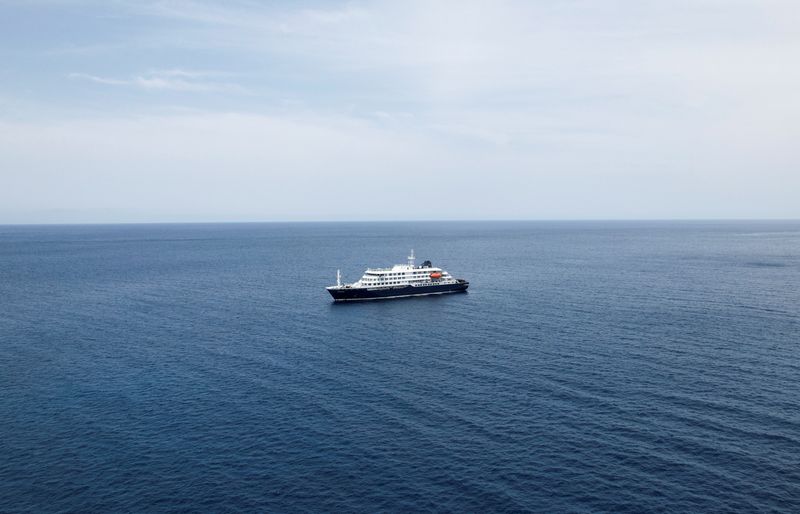
The luxury cruise industry is currently navigating a rare and concerning health crisis, now officially a public health emergency, as the Centers for Disease Control and Prevention (CDC) confirms it is actively monitoring U.S. citizens returning from the MV Hondius. The vessel, which has become the center of an international health investigation, reported a tragic hantavirus outbreak that has already claimed the lives of three passengers. As global health authorities scramble to contain the situation, the focus has shifted toward the safety of passengers currently disembarking and returning to their home states.
While the situation is undoubtedly alarming for those involved, the CDC has moved to reassure the American public. By maintaining a coordinated, whole-of-government response, health officials are ensuring that every precaution is taken to prevent further transmission. This article explores the current status of the outbreak, the steps being taken by state and federal health agencies, and what travelers need to know about the rare Hantavirus and relevant travel health advisories.
The MV Hondius Outbreak: What We Know
The MV Hondius, a vessel known for its luxury expeditions, has become the focal point of a significant health emergency. According to the World Health Organization (WHO), the outbreak has resulted in at least three confirmed deaths: a Dutch couple and a German national. Furthermore, eight additional individuals, including a Swiss citizen, are currently suspected of having contracted the virus.
How Does Hantavirus Spread?
Unlike many respiratory viruses that dominate headlines, hantavirus does not typically spread through human-to-human contact. Instead, it is primarily transmitted through direct contact with infected rodents or exposure to their urine, droppings, or saliva. This makes hantavirus a classic zoonotic disease. The rarity of the virus makes the cluster of cases on the MV Hondius particularly unusual, prompting intensive environmental investigations into the ship’s sanitation and conditions.
The CDC has emphasized that the risk to the general American public remains extremely low. Because the virus is not airborne in the traditional sense—like influenza or COVID-19—the likelihood of a widespread domestic outbreak stemming from these returning passengers is considered minimal by infectious disease experts.
Federal and State Coordination: A Proactive Stance
The U.S. Department of State is leading a comprehensive response, working in tandem with the CDC and international health authorities. The primary goal is to maintain direct communication with passengers who were on board the MV Hondius to ensure they receive proper medical screening and guidance, a critical component of disease surveillance and contact tracing efforts.
State-Level Monitoring Efforts
Health departments across several U.S. states have mobilized to track returning passengers. This is a standard precautionary measure designed to catch any potential symptoms early:
Georgia: The Department of Public Health is monitoring two residents who recently disembarked from the cruise ship. Officials confirmed that both individuals are currently in good health and asymptomatic.
Arizona: The Arizona Department of Health Services is tracking one resident who was a passenger. Like those in Georgia, this individual has shown no signs of illness.
California: While the state health department has not disclosed specific numbers, it is working closely with federal partners to monitor an undisclosed number of California residents who were part of the cruise manifest.
These passengers are being advised to follow strict CDC guidelines, which include self-monitoring for symptoms and immediate reporting to healthcare providers if they feel unwell.
Understanding Hantavirus Symptoms and Risks
For those who may have been exposed, or for the general public curious about the nature of the virus, understanding the clinical presentation of hantavirus pulmonary syndrome (HPS), a severe respiratory illness, is essential. While the virus is rare, it is severe.
Early Warning Signs
Initial symptoms often mimic the flu, which can make early diagnosis challenging. Passengers under watch are looking for:
Fever and muscle aches (particularly in the thighs, hips, and back).
Fatigue and dizziness.
Headaches and chills.
- Nausea, vomiting, or abdominal pain.
As the illness progresses, the primary concern is the fluid buildup in the lungs, which can lead to severe respiratory distress. Given the lack of specific antiviral treatment for HPS, health authorities are urging anyone who was on the ship to seek medical attention immediately if they develop even mild symptoms, rather than waiting for the condition to deteriorate.
Long-Term Surveillance and Prevention
The CDC has recommended that all passengers and crew members associated with the MV Hondius outbreak maintain a 45-day monitoring period. This window covers the incubation period of the virus, ensuring that if any cases were to arise, they are managed within a medical setting as quickly as possible.
Hygiene and Vigilance
In the wake of this outbreak, global health agencies are reiterating the importance of stringent hygiene protocols and enhanced cruise ship safety protocols. Even though hantavirus is not typically transmitted between people, the incident serves as a stark reminder that international travel requires robust environmental health monitoring, including effective rodent control programs.
- Hand Hygiene: Frequent hand washing remains the most effective defense against the spread of various pathogens.
- Symptom Vigilance: Travelers are encouraged to remain “symptom-aware” for several weeks following any expedition, especially those involving remote or wilderness environments where rodent populations may be present.
- Cooperation with Health Officials: The prompt and transparent cooperation of the passengers in Georgia, Arizona, and California has been vital in keeping the public risk level at “very low.”
Why the CDC Response Matters
The swift action by the CDC is not merely about individual health—it is about maintaining public trust and systemic safety. By coordinating across borders and state lines, the administration ensures that the “luxury cruise” label does not become synonymous with a public health threat.
The investigation into the MV Hondius is ongoing. Health officials are currently analyzing how the virus was introduced to the ship’s environment. Was it a contaminated food source? A rodent infestation in a storage area? These answers are critical for preventing future occurrences in the maritime travel industry.
Conclusion: A Measured Approach
As of 2026, the situation regarding the MV Hondius remains under control. While the loss of life is undeniably tragic, the containment strategy employed by the CDC and state health departments has been effective in preventing a wider crisis. The hantavirus outbreak serves as a reminder of the complexities of global health in an interconnected world.
For the American passengers involved, the monitoring period will continue for several more weeks. However, the lack of symptomatic cases among those returning to the U.S. is a positive sign. As long as travelers remain vigilant and follow the guidance provided by the CDC, the overall risk to the broader population remains negligible.
The cruise industry will likely face increased scrutiny regarding sanitation and rodent control in the coming months. For now, the priority remains the health of the passengers and the continued, proactive monitoring by the professionals tasked with keeping the nation safe.