Lurgan Bomb Attack Investigation: 15-Year-Old Among Those Arrested in Terrorism Probe

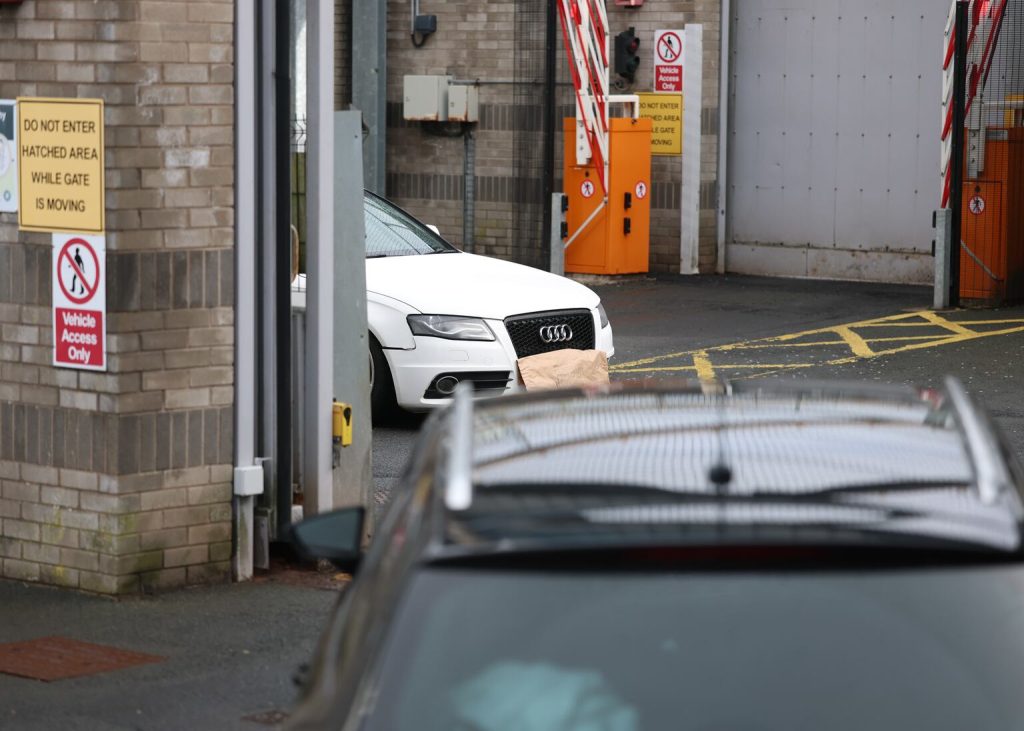
The security landscape in Northern Ireland remains a point of intense focus in 2026, as authorities continue to deal with the remnants of paramilitary activity. A chilling incident involving a hijacked pizza delivery vehicle, weaponized to target a police station, has sent shockwaves through the community of Lurgan, County Armagh. The investigation took a concerning turn when authorities revealed that a 15-year-old boy was among those taken into custody, highlighting the ongoing exploitation of local youth by criminal elements.
This article explores the details of this failed bomb attack, the broader context of the threat to the Police Service of Northern Ireland (PSNI), and the ongoing efforts to ensure public safety in areas like the Kilwilkie estate.
Anatomy of a Failed Terror Attack
The incident, which unfolded on the night of March 30, was described by senior PSNI officials as a “cowardly” and “murderous” attempt to inflict loss of life. The perpetrators targeted an innocent worker—a delivery driver—to facilitate their attack.
According to police reports, the driver was intercepted in the Kilwilkie estate while attempting to make a routine delivery. Two masked individuals, one of whom was brandishing a pistol, hijacked the vehicle and placed a viable explosive device inside. The driver was then coerced at gunpoint to drive the vehicle toward the Lurgan Police Station.
The Security Alert and Public Impact
The driver’s decision to alert the police after escaping his captors likely prevented a catastrophic loss of life. Upon the vehicle’s arrival at the station, the PSNI initiated a massive security alert. This forced the evacuation of approximately 100 homes in the immediate vicinity, causing significant disruption to the local community.
Bomb disposal experts were immediately deployed to neutralize the threat. They successfully conducted a controlled explosion on the device, ensuring the safety of the surrounding area. However, the psychological impact on the residents—particularly in a town with a complex history of sectarian and political tension—remains profound.
The Investigation: A 15-Year-Old in Custody
The subsequent investigation, led by the Terrorism Investigation Unit, has been both swift and methodical. The arrest of the 15-year-old male, alongside a 48-year-old man and a 39-year-old woman, has drawn significant attention to the recruitment tactics of dissident republican groups.
Charges and Legal Proceedings
The arrests were made under the Terrorism Act, reflecting the gravity with which the PSNI views this incident. The specific charges and roles are broken down as follows:
The 15-year-old male: Arrested on suspicion of terrorism-related offenses.
The 48-year-old man: Arrested in connection with the failed bomb attack.
The 39-year-old woman: Detained on suspicion of perverting the course of justice, obstructing police, and assisting an offender.
While several suspects have been released in similar investigations, the involvement of minors in such high-stakes criminal activity is a recurring concern for law enforcement. In 2026, the PSNI continues to combat “riotous behavior” and criminal exploitation, noting that many young people are being drawn into the orbit of older, hardened criminals.
The Persistent Threat to PSNI Officers
The Lurgan bomb attempt serves as a “timely reminder” of the current terror threat level in Northern Ireland. Despite years of relative peace following the Good Friday Agreement, small, splintered groups remain active, viewing the police as legitimate targets.
Why Lurgan?
Lurgan has historically been a flashpoint for sectarian violence. As noted in the local history of the “Troubles,” the area has seen decades of petrol bomb attacks, arson, and paramilitary intimidation. The recent arson of a local school—which also involved the arrest of minors—shows that the instability is not limited to attacks on police, but permeates the social fabric of the town.
Tactical Shift: The use of “proxy bombs”—where civilians are forced to transport explosives—is a tactic designed to minimize the risk to the attackers while maximizing the potential for chaos.
- Targeting Infrastructure: By selecting a police station located in a residential area, the perpetrators showed a blatant disregard for the lives of children and families living nearby.
Community Response and Policing Strategy
The PSNI has been vocal in its condemnation of the attack. Assistant Chief Constable Ryan Henderson and other senior figures have emphasized that the investigation is ongoing and that they are committed to bringing all involved parties to justice.
Moving Forward: Prevention and Vigilance
In 2026, the strategy for policing in Lurgan involves:
- Increased Surveillance: Utilizing advanced technology to monitor high-risk areas like the Kilwilkie estate.
- Community Engagement: Building trust with residents to ensure that those who harbor or assist terrorists can be identified.
- Youth Intervention: Working with local schools and social services to prevent the radicalization of teenagers like the 15-year-old arrested in this case.
The PSNI continues to appeal for information. Even months after the event, detectives are seeking witnesses who may have seen the hijacked vehicle in the Lurgan town center or the Kilwilkie area between 10:30 PM and 10:50 PM on the night of the attack.
Conclusion
The attempted bombing in Lurgan is a stark reminder that the threat of terrorism in Northern Ireland has not been fully eradicated. The involvement of a 15-year-old underscores a systemic issue: the grooming of youth for criminal ends. While the bravery of the delivery driver and the efficiency of the bomb disposal team averted a tragedy in March, the community remains on edge.
As the legal proceedings continue, the focus must remain on dismantling the networks that facilitate such attacks. Security, accountability, and the protection of the next generation are the pillars upon which the future of Lurgan—and Northern Ireland at large—must be built.