Indiana Primary Election Results: The May 5th Shakeup and What It Means for the U.S. House

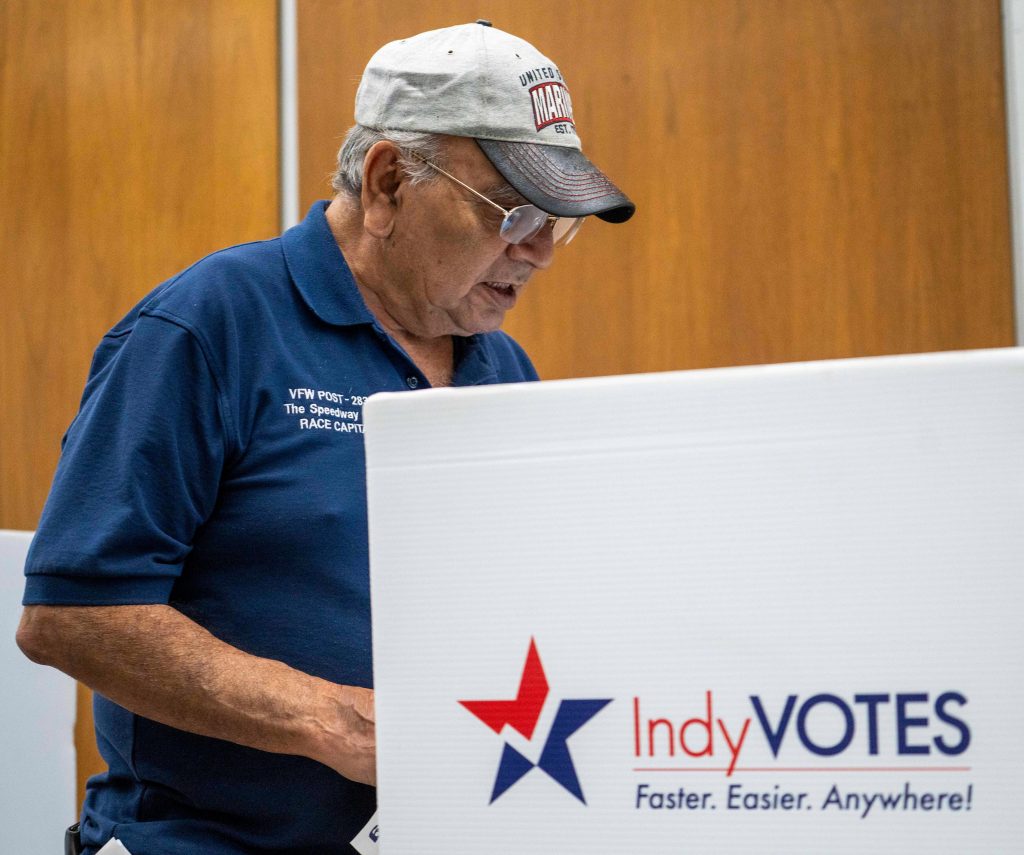
The dust has settled on Indiana’s May 5, 2026, primary election, and the political landscape of the Hoosier State has been fundamentally altered. While primary elections are often viewed as sleepy, routine affairs, this year’s cycle proved to be a high-stakes battleground. Driven by intense interest from the White House and a fierce debate over redistricting, Indiana’s voters have sent a clear message about the current direction of the Republican Party.
With the November midterms looming, these results provide a crucial roadmap for understanding how power is shifting within the GOP and what the path looks like for Democrats hoping to capitalize on internal party fractures.
A Referendum on Redistricting and Presidential Influence
The most significant story of the 2026 Indiana primaries was not just about who won, but why they won. Following the Indiana state legislature’s historic decision in December 2025 to block a mid-decade redistricting push, the political climate became white-hot. President Donald Trump, eager to secure a more favorable map for the GOP, threw his weight behind challengers to the incumbent state lawmakers who voted against his redistricting proposal.
The results were nothing short of a landslide for the President’s allies. In several state senate districts, incumbents who defied the White House were swept out of office by Trump-backed challengers. Political analysts note that this represents a total consolidation of power; the “Republican core” has signaled that the party belongs firmly to the President’s vision.
Key State Senate Results
District 1: Trevor de Vries defeated incumbent Daniel Dernulc (75.1% to 23%).
District 11: Brian Schmutzler unseated incumbent Linda Rogers (58.9% to 41.1%).
District 19: Blake Fletcher overcame incumbent Travis Holdman (61.6% to 38.4%).
District 21: Tracey Powell won against incumbent James Buck (64.7% to 35.3%).
- District 41: Michelle Davis defeated incumbent Greg Walker (58.58% to 41.2%).
In District 23, the race between incumbent Spencer Deery and challenger Paula Copenhaver remains in a dead heat, reflecting the deep divisions that characterized this primary cycle.
U.S. House Primary Results: Maintaining the Status Quo?
While the state legislative races saw significant turnover, the U.S. House primaries in Indiana largely saw the status quo prevail. Most incumbents successfully defended their seats, though the primary campaigns offered a preview of the messaging strategies we can expect to see leading up to November.
The GOP is currently defending a narrow majority in the House, and every seat in Indiana is being scrutinized for its potential to flip or solidify. Democrats, meanwhile, are looking for any opening—especially in districts where the primary process left lingering tensions.
Breakdown of U.S. House Nominees
The following candidates have secured their party nominations to move forward to the general election:
| District | Democratic Nominee | Republican Nominee |
| :— | :— | :— |
| 1st | Frank Mrvan (Incumbent) | Barb Regnitz |
| 2nd | Jamee Declo | Rudy Yakym (Incumbent) |
| 3rd | Kelly Thompson | Marlin Stutzman (Incumbent) |
| 4th | Drew Cox | Jim Baird (Incumbent) |
| 5th | J.D. Ford | Victoria Spartz (Incumbent) |
| 6th | Cynthia Wirth | Jefferson Shreve (Incumbent) |
| 7th | André Carson (Incumbent) | Patrick McAuley |
| 8th | Mary Allen | Mark Messmer (Incumbent) |
| 9th | Brad Meyer | Erin Houchin (Incumbent) |
Analysis: What This Means for November
The primary results suggest that the Republican Party in Indiana is prioritizing ideological alignment over legislative seniority. By backing challengers who prioritized the President’s redistricting agenda, the national GOP has signaled that loyalty is the primary currency of the 2026 cycle.
Opportunities for Democrats
Because the state failed to pass the proposed mid-decade redistricting plan, the current congressional map remains in place for the November general election. This is a critical development for Democratic candidates. Without the “padding” that the proposed map would have provided for the GOP, districts that were once considered safe are now viewed as more competitive.
In the 1st District, for example, the GOP nomination of Barb Regnitz sets up a high-profile showdown against Democratic incumbent Frank Mrvan. Analysts are watching this seat closely, as it represents one of the few truly competitive districts in the state.
The “Trump Effect”
The heavy spending by presidential allies in state-level races underscores a broader strategy: the White House is not just focused on Congress; it is focused on reshaping the entire political infrastructure of the state. By winning these local races, the President has ensured that future redistricting efforts—or other legislative priorities—will meet far less resistance from within the party.
Conclusion: The Road to the Midterms
Indiana’s May 5th primary has provided a clear preview of the intensity we can expect in the coming months. With the primary ballots finalized, the focus now shifts entirely to the general election. The tension between the “old guard” of the Republican Party and the new, Trump-aligned challengers has been settled in favor of the latter, creating a unified—albeit potentially polarized—front for the GOP.
For voters, the challenge now lies in evaluating these candidates based on their platforms for the future. Will the President’s influence continue to drive GOP turnout, or will the internal party fractures provide enough daylight for Democratic challengers to make gains? As we move closer to November, one thing is certain: Indiana will remain a focal point for national political observers tracking the health of both parties.