Jet Fuel Shortage 2026: Why Manulife’s ‘Known Event’ Rule Changes Everything for Your Summer Travel

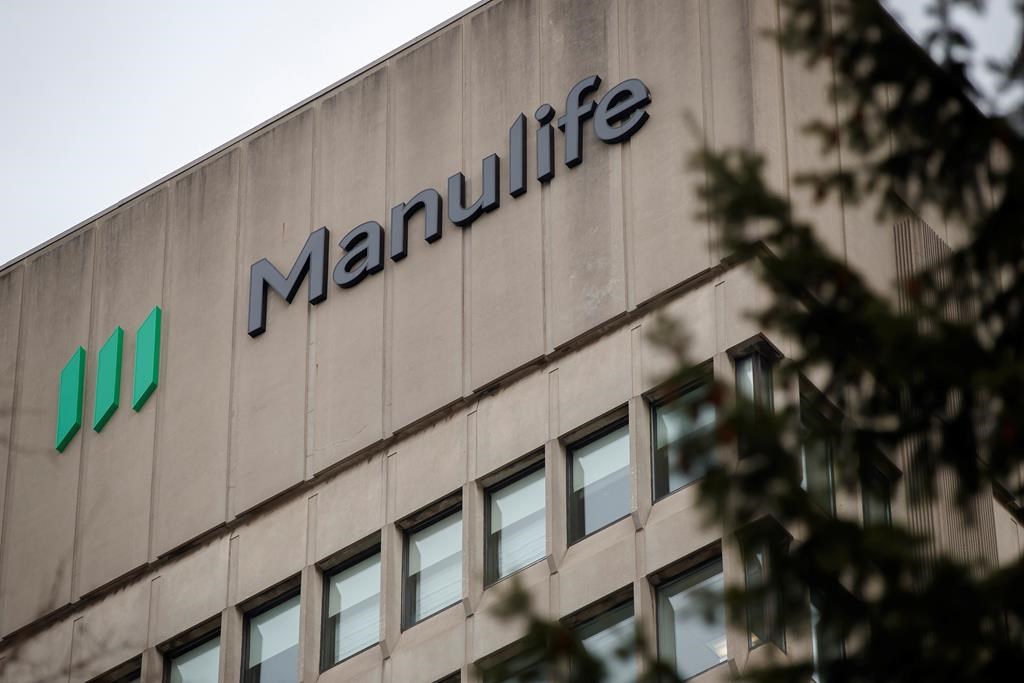
The global travel landscape in 2026 has hit a turbulent patch that few saw coming—yet insurance companies are now saying we should have. In a move that has sent shockwaves through the aviation and tourism industries, Manulife Financial Corp. has officially declared the ongoing global jet fuel shortage a “known event.”
For the average traveler, this isn’t just industry jargon; it is a fundamental shift in how we protect our vacations. As of May 2026, the safety net that once caught travelers stranded by fuel-related flight cancellations has effectively been pulled back. If you are planning a trip this summer, understanding the fine print of your insurance policy is no longer optional—it is a necessity for financial survival.
The Manulife Advisory: A Line in the Sand
On May 5, 2026, Manulife issued a critical advisory regarding its Trip Cancellation and Interruption Insurance. The company stated that worldwide jet fuel shortages are now categorized as a “known event.” This classification is a pivotal moment in the 2026 travel season, marking the point where the insurance provider deems the risk of disruption high enough that it is no longer considered an “unforeseen” circumstance.
What Does the May 5 Deadline Mean for You?
The implications of this announcement depend entirely on when you secured your coverage:
Policies Purchased ON or AFTER May 5, 2026: If you buy travel insurance today, any disruptions, cancellations, or delays caused by the jet fuel shortage will not be covered. Because the shortage is a “known event,” the insurer views the risk as something the traveler accepted at the time of purchase.
Policies Purchased BEFORE May 5, 2026: Travelers who were proactive and bought their insurance before the cutoff may still find relief. These policyholders might be eligible for misconnection or disruption benefits, provided the fuel crisis causes a legitimate delay or interrupts their return journey.
This “line in the sand” approach is designed to protect insurance pools from a wave of predictable claims, but it leaves thousands of late-booking travelers vulnerable to the whims of a volatile energy market.
Understanding the “Known Event” Doctrine
In the world of insurance, the concept of a “known event” (sometimes called a foreseeable event) is the ultimate deal-breaker. Insurance is designed to protect against the unexpected. Once a crisis—be it a hurricane, a pandemic, or a fuel shortage—becomes public knowledge and its impact becomes predictable, it loses its status as an insurable risk under standard policies.
The Foreseeability Factor
When Manulife labels the fuel crisis a known event, they are essentially saying that the disruption is no longer a matter of “if,” but “when.” For the traveler, this means that standard trip cancellation insurance becomes significantly less effective. You cannot buy insurance for a house that is already on fire; similarly, in 2026, you cannot buy standard insurance for a flight schedule that is already being decimated by fuel scarcity.
The Geopolitical Context: Why 2026 is Different
To understand why Manulife and other insurers are taking such a hard stance, we have to look at the global stage. The 2026 jet fuel crisis is not a simple supply-chain hiccup; it is the result of a “perfect storm” of geopolitical tensions and infrastructure failures.
The Strait of Hormuz Crisis
The primary catalyst for the current shortage is the near-total halt of shipping through the Strait of Hormuz. Triggered by the escalating Iran conflict, this maritime chokepoint has seen oil exports from the Persian Gulf drop to record lows.
Because the Persian Gulf is a primary source of the crude oil required for high-grade aviation fuel, refineries in Europe and Asia have been forced to slash production. This has created a domino effect:
- Refinery Cuts: Refineries lack the specific “sweet crude” needed for jet fuel.
- Inventory Depletion: Global reserves of Jet A-1 fuel have reached “critical” levels.
- Price Spikes: The cost of remaining fuel has skyrocketed, making many flight routes economically unviable for carriers.
The War Exclusion Clause
Adding another layer of complexity is the “War Exclusion” clause found in many insurance contracts. As the conflict in the Middle East intensifies, some insurers are debating whether the fuel shortage is a secondary effect of war, which could further limit payouts even for those who bought policies early.
Airlines on the Brink: Who is Cutting Flights?
The fuel shortage isn’t just a theoretical threat; it is actively grounding planes. Several major international carriers have already begun trimming their 2026 summer schedules to conserve what little fuel they have.
Lufthansa and KLM: These European giants have announced significant reductions in short-haul flights to prioritize long-haul international routes.
Cathay Pacific: With Asia feeling the brunt of the refinery slowdown, Cathay Pacific has wound down several routes across the Pacific.
Spirit Airlines and Turkish Airlines: Both carriers have issued warnings that “operational adjustments” (a euphemism for cancellations) are likely as the summer peak approaches.
For travelers, this means that even if you have a ticket, there is no guarantee the plane will have the fuel to take off. And with Manulife’s new ruling, if that flight is cancelled, you could be left footing the bill for non-refundable hotels and tours.
A Growing Trend: Cuba and the Middle East
Manulife’s decision on May 5 didn’t happen in a vacuum. It is part of a broader trend of “de-risking” specific regions. Earlier in 2026, the company issued similar advisories for other hotspots:
- Cuba (Feb 10, 2026): Disruptions related to the island’s ongoing infrastructure and fuel woes were declared a known event.
- The Middle East (Feb 28, 2026): Due to the escalating regional conflict, all disruptions in this area were moved to the “known event” category.
The expansion of this policy to a “worldwide” jet fuel shortage suggests that the insurance industry views the current energy crisis as a global systemic risk rather than a localized issue.
How to Protect Your Travel Investment in 2026
If standard insurance won’t cover the fuel shortage, what can travelers do? The 2026 travel season requires a more strategic approach to risk management.
1. Look for “Cancel For Any Reason” (CFAR) Upgrades
While standard trip cancellation is now restricted, Cancel For Any Reason (CFAR) policies remain a viable, albeit expensive, alternative. CFAR typically allows you to cancel a trip for any reason—including the fear of a fuel shortage—and recoup 50% to 75% of your costs. However, these must usually be purchased within 14-21 days of your initial trip deposit.
2. Book With “Flexible” Airlines
In a world where insurance is limited, the airline’s own policy becomes your primary shield. Look for carriers offering flexible rebooking or “flight credits” rather than strict non-refundable tickets. While this won’t help with your hotel costs, it prevents the total loss of your airfare.
3. Monitor the Global Fuel Shortage Tracker
Stay informed by using real-time tools like the Global Fuel Shortage Tracker. This tool provides severity ratings and resolution timelines for different hubs. If your layover is in a “Red Zone” (like Frankfurt or Singapore in recent weeks), consider rerouting your trip through regions with more stable fuel supplies, such as North America.
4. Use Credit Card Travel Protections Wisely
Check the fine print of your premium credit cards (Amex Platinum, Chase Sapphire, etc.). While many follow the same “known event” rules as Manulife, some may offer different tiers of protection or “trip delay” reimbursements that haven’t yet been updated to exclude the fuel crisis.
The Economic Ripple Effect
The decision by Manulife to classify the fuel shortage as a known event is a harbinger of broader economic shifts. When insurance becomes harder to obtain, travel becomes more expensive and less accessible.
Tourism-dependent economies in Southern Europe and Southeast Asia are watching these developments with growing concern. If travelers cannot insure their trips, they are less likely to book expensive, multi-week vacations. This lead to a “cooling” of the global travel market, which could ironically help stabilize fuel demand but at a massive cost to the hospitality sector.
Analysis: Is This the “New Normal” for Insurance?
Industry analysts suggest that we are entering an era of “Dynamic Risk Insurance.” In the past, travel insurance policies remained static for years. In 2026, we are seeing insurers update their “known event” lists in real-time, sometimes weekly.
This shift places a heavy burden on the consumer. It is no longer enough to “buy insurance”; you must now research the current status* of global events at the exact moment of purchase. Manulife’s move is likely just the first of many, as other providers like Allianz and AXA are expected to follow suit with similar worldwide fuel exclusions.
Summary of the Manulife 2026 Policy Update
To keep things clear for those planning their next move, here is a quick summary of the Manulife stance:
| Purchase Date | Coverage Status for Fuel Disruptions | Reason |
| :— | :— | :— |
| Before May 5, 2026 | Potentially Covered | Event was not yet “Known” |
| On/After May 5, 2026 | NOT Covered | Event is officially “Known” |
| Middle East Travel | NOT Covered (since Feb 28) | Regional Known Event |
| Cuba Travel | NOT Covered (since Feb 10) | Regional Known Event |
Conclusion: Navigating a High-Risk Horizon
The year 2026 has proven that the “freedom to travel” is inextricably linked to global energy security. Manulife’s declaration that the jet fuel shortage is a known event serves as a wake-up call for everyone from casual vacationers to corporate travel managers.
As the summer travel season approaches, the message is clear: the risks are known, the warnings have been issued, and the financial responsibility has shifted back to the traveler. If you are booking a flight today, do so with the understanding that the fuel in the wing is as precious—and as volatile—as the peace in the Middle East. Secure the best coverage you can, stay flexible, and always read the advisory updates before clicking “confirm” on that dream vacation.