Has Toronto’s Condo Market Finally Hit Bottom? A 2026 Deep Dive

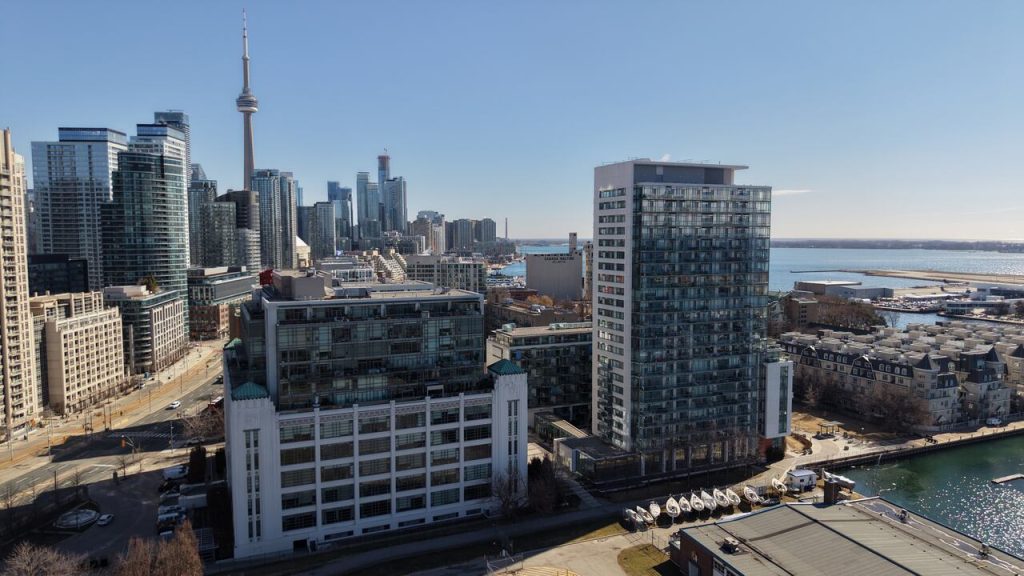
The Greater Toronto Area (GTA) real estate landscape has been a rollercoaster for the better part of three years. For those watching the skyline from downtown offices or scrolling through listing apps, the question remains: Has Toronto’s condo market hit its bottom?
As we navigate through 2026, the data paints a complex picture. After reaching historic highs in 2022, the market experienced a severe correction characterized by sluggish sales, record-breaking inventory, and a dramatic withdrawal of speculative investors. However, as affordability metrics shift and interest rates stabilize, a new, more cautious market is beginning to emerge from the rubble of the previous cycle.
The Anatomy of a Market Reset
To understand if we have reached the floor, we must look at the severity of the decline. The Toronto condo sector has faced its most significant downturn in over 30 years. In the first quarter of 2026, the GTHA witnessed a phenomenon that shocked even the most seasoned analysts: new project launches nearly ceased, hitting a multi-decade low.
New condo pre-sales plummeted by approximately 94% compared to the 10-year quarterly average. This “historic freeze” indicates that developers have effectively hit the pause button, waiting for the massive backlog of existing inventory to be absorbed by the market.
Why the Investor Exodus Matters
The rise of Toronto’s condo market over the last decade was fueled by investors—individuals looking to capitalize on high rental demand and rapid appreciation. When borrowing costs spiked, the math for these investors stopped working.
“The investor-buyer has completely fled the market,” notes Jacob Cohen, president of The Daniels Corporation. “What we as developers now need to focus on is the end user.” This shift toward owner-occupiers is widely viewed as a “silver lining” in the current correction. It suggests that while the market may be smaller, it is potentially more stable, as it is no longer propped up by speculative capital.
The Buyer’s Perspective: Is Now the Time to Enter?
For first-time buyers like 29-year-old financial planner Tyler Florian, the current market environment has opened doors that were previously locked. By leveraging the First Home Savings Account (FHSA) and the RRSP Home Buyers’ Plan, combined with a cooling price environment, many young professionals are finding opportunities that haven’t been seen since 2017.
Negotiation Power Has Shifted
Realtor Thomas Delespierre observes that the power dynamic has fundamentally flipped. “It’s much harder for sellers,” he explains. Units that once sold in days are now sitting on the market for four to six months.
Increased Inventory: Buyers have significantly more choice, allowing them to compare floor plans, amenities, and locations without the pressure of a bidding war.
Negotiation Leverage: Sellers, particularly those who purchased at the 2022 peak, are often forced to accept lower offers or face the prospect of long-term vacancy.
Price Corrections: With benchmark prices down approximately 25% from the 2022 peak in the GTA, the entry barrier has lowered significantly for those with stable employment and down payments.
The Developer’s Dilemma: Navigating the Slowdown
The decline in housing starts, particularly for multi-unit projects, is a direct response to the lack of demand for pre-construction units. Developers are struggling to hit the 70% pre-sale threshold required by lenders to break ground on new high-rises.
Strategic Pivots in Development
Developers are changing their approach to suit the current economic reality. Instead of focusing on small “investor-grade” studios, companies like The Daniels Corporation are shifting their unit mix:
- Prioritizing Livability: Increasing the ratio of one-bedroom-plus-den and two-bedroom units to cater to end-users rather than investors.
- Strategic Launching: Only bringing projects to market that have a clear value proposition for owner-occupiers.
- Cost Management: Some developers are being forced to sell units at or near cost to clear inventory and satisfy financing requirements, which further depresses the overall market price.
Is the Bottom Truly Here?
While some data points suggest a stabilization—such as the recent 14.4% year-over-year increase in unit sales in specific months—the overarching trend remains fragile. Experts are divided on whether the “bottom” is a point in time or a prolonged period of stagnation.
Factors Suggesting a Floor:
Lower Borrowing Costs: As interest rates have softened, the monthly carrying costs for buyers have become more manageable, enticing those who were previously sidelined.
Supply Constraints: With numerous project cancellations in 2025 and a sharp decline in new starts, the pipeline for new units is drying up. Eventually, this will lead to a supply crunch.
Population Growth: Demand for housing in Toronto remains structurally supported by high immigration levels and the city’s status as an economic hub.
Factors Suggesting Further Volatility:
Inventory Backlog: There is still a significant volume of existing units that need to be absorbed before prices can appreciate meaningfully.
Economic Uncertainty: While inflation has cooled, the broader economic outlook remains cautious, keeping some buyers in a “wait-and-see” mode.
- Project Cancellations: Continued project cancellations by developers signal that the financial viability of new construction is still under pressure.
Expert Outlook for 2026 and Beyond
The consensus among analysts is that while we may be nearing the bottom, the recovery will be a slow, multi-year process. The days of rapid, double-digit annual appreciation are likely behind us, replaced by a more sustainable, albeit slower, growth trajectory.
“Ultimately, the existing supply is going to get absorbed,” says Jason Mercer, TRREB’s chief information officer. “All these people are going to require a place to live.” This fundamental truth—that Toronto is a growing city with limited land—remains the bedrock of the long-term bullish case for the condo market.
For potential buyers, the focus should not be on “timing the bottom” but on finding value in a market that finally offers them a seat at the table. For sellers, the strategy has shifted from liquidating assets quickly to considering long-term options like renting, as seen with owners who have been unable to sell at their desired price points.
Conclusion: A Market in Transition
Has Toronto’s condo market hit its bottom? The evidence suggests that for the average homebuyer, the market has transitioned from a hostile environment to one of opportunity. While we may see further volatility in the short term, the fundamentals of supply and demand, coupled with the shift toward an end-user market, indicate that the worst of the “meltdown” may be in the rearview mirror.
As we progress through the remainder of 2026, prospective buyers should keep a close watch on interest rate trends and new construction starts. The market is no longer a casino for speculators; it is returning to its roots as a place where people look to build long-term value and find a home.