U.S. Labor Market Defies Odds: 115,000 New Jobs Added in April as Hiring Surges

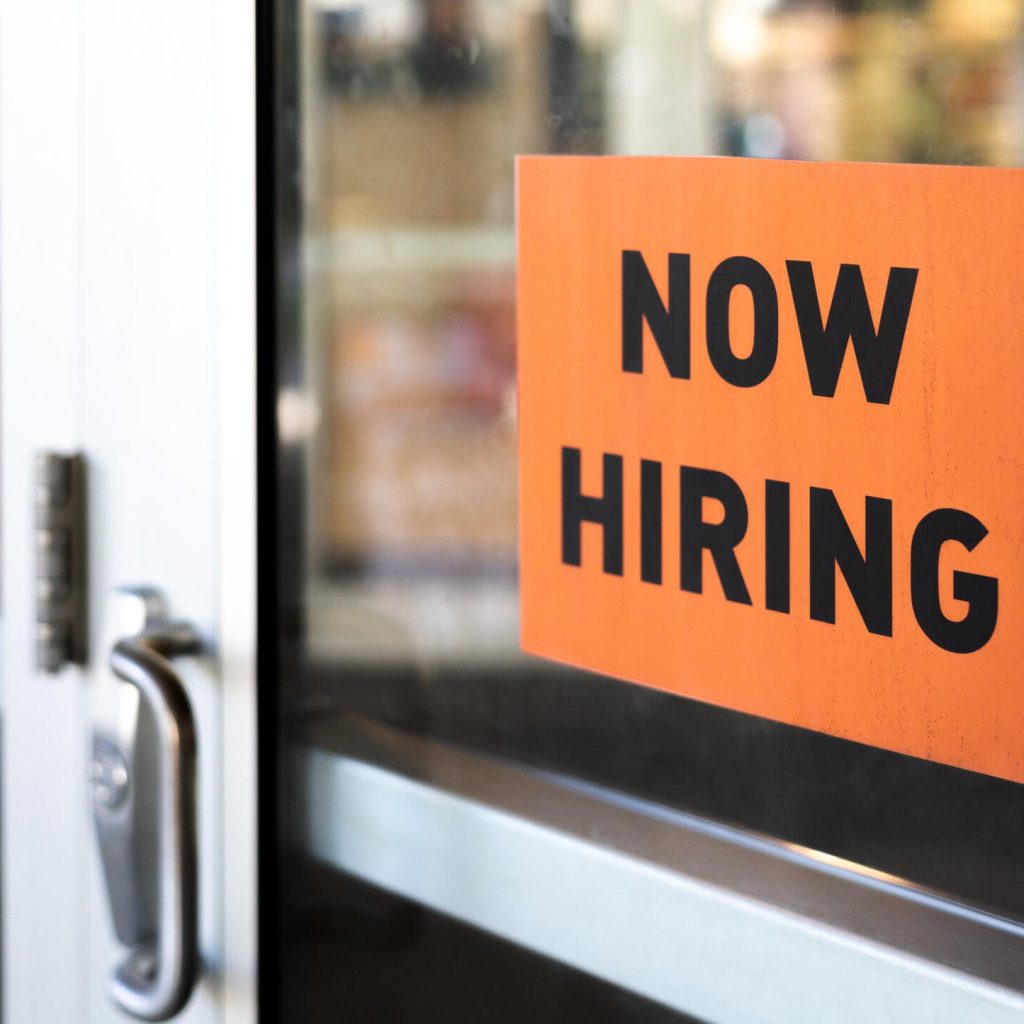
The U.S. economy continues to write a narrative of defiance in 2026. Despite a backdrop of geopolitical uncertainty, volatile energy markets, and the persistent hum of technological disruption, the American workforce has proven remarkably resilient. In the latest labor market report released this Friday, the Bureau of Labor Statistics revealed that employers added 115,000 jobs in April, a figure that significantly outperformed the consensus forecast of 65,000 jobs predicted by economists.
This surge comes as a welcome relief to policymakers and market analysts who have been closely monitoring the economic impact of the ongoing conflict in the Middle East and the resulting spike in gas prices. While the shadow of the Iran war looms over global supply chains, the domestic labor market appears to be operating on a different wavelength, maintaining a steady, albeit cautious, momentum.
Breaking Down the Numbers: April’s Labor Performance
To understand the health of the economy, we must look beyond the headline number. While 115,000 new positions represent a clear victory over expectations, the internal composition of these gains tells an even more compelling story about where the U.S. economy is headed mid-way through 2026.
Employment Growth by Sector
The growth in April was not distributed evenly across all sectors. Instead, it was concentrated in industries that provide essential services, suggesting that consumer demand remains anchored in reality rather than speculation.
Healthcare and Social Assistance: This sector led the charge, adding a robust 37,000 jobs. As the population ages and the demand for specialized care grows, this sector remains the backbone of consistent job creation.
Transportation and Warehousing: Adding 30,000 jobs, this sector highlights the continued necessity of logistics in a digital-first economy. Despite concerns about fuel costs, the movement of goods remains a primary driver of employment.
Federal Employment: In a slight contrast to the private sector, federal employment saw a decline of 9,000 jobs, reflecting a shift in government staffing priorities.
The Unemployment Puzzle
While job creation remains strong, the unemployment rate held steady at 4.3%. This figure has remained stubbornly above the 4% mark since June 2024. Economists point out that while the creation of 115,000 jobs is positive, it is not yet enough to rapidly shrink the pool of the unemployed, suggesting that the labor force participation rate and population growth are keeping pace with hiring.
The “Resilience Factor”: Why Forecasts Were Blown Away
Why did the market perform so much better than the 65,000-job prediction? The answer lies in the adaptability of U.S. businesses. Even with gas prices hovering above $4.50 and commodity costs—such as fertilizer and oil—rising due to global conflicts, the corporate sector has largely absorbed these costs without resorting to mass layoffs.
Jerry Tempelman, vice president of economic and fixed income research at Mutual of America Capital Management, noted that the resilience of the U.S. labor market remains a standout feature of the current cycle. “In spite of higher gas prices, we’ve seen minimal disruptions to the U.S. economy due to the conflict in the Middle East,” Tempelman observed. “In fact, the equity markets continue to trade at or near new highs.”
However, experts urge caution. While the current data is positive, the long-term impact of sustained higher energy prices could eventually act as a drag on economic growth. The “corkscrew” nature of the 2026 jobs reports—marked by sharp revisions and fluctuating monthly gains—suggests that the economy is navigating a complex transition phase.
The AI Revolution and the Modern Workplace
A critical, if somewhat unsettling, trend noted in the April data involves the role of Artificial Intelligence (AI) in workplace restructuring. Data from outplacement firm Challenger, Gray and Christmas reveals that roughly 300,000 jobs have been cut so far in 2026—about half the volume seen during the same period last year.
Perhaps most notably, roughly one in four companies explicitly cited AI as a factor in their layoff decisions. Businesses are increasingly turning to generative AI and automation to streamline workflows and reduce overhead costs. This creates a dual reality in the labor market:
- Job Creation: Many sectors, particularly services and healthcare, are still desperately hiring to meet demand.
- Job Displacement: Tech-heavy or process-driven roles are seeing a contraction as companies pivot toward AI-assisted productivity.
This shift suggests that while the “quantity” of jobs remains high, the “quality” and nature of these roles are undergoing a fundamental transformation. Workers in 2026 are not just competing for jobs; they are competing for roles that require human-centric skills that AI cannot yet replicate.
Contextualizing the 2026 Economic Landscape
To fully grasp the significance of April’s 115,000-job gain, it is essential to view it against the backdrop of the preceding months. 2026 began with a stronger start than many anticipated, with January seeing 130,000 new jobs despite administrative delays. March continued this trend with a massive 178,000-job gain, acting as a “resilient rebound” from the sluggish hiring seen in previous years.
A Roller-Coaster of Revisions
The Labor Department’s process of revising historical data adds another layer of complexity. While April outperformed expectations, the government revised February’s figures downward by 23,000, bringing that month’s net loss to 156,000. This pattern of “upward revisions followed by downward corrections” is typical of an economy trying to find its footing after a period of instability.
Global Geopolitics vs. Domestic Hiring
The looming question for the remainder of 2026 is how long the U.S. labor market can remain decoupled from global crises. The Iran war, while currently contained, remains a massive variable. Rising oil prices serve as a “hidden tax” on consumers and businesses alike. If these prices remain elevated, the ability of companies to maintain current hiring levels may diminish, potentially slowing the momentum we witnessed in April.
Analysis: What This Means for Job Seekers and Investors
For the average job seeker, the April data provides a sense of cautious optimism. The market is not “booming” in the way it did in the post-pandemic recovery, but it is certainly not “busting.” The demand for labor in healthcare and logistics remains a bright spot, offering stable career paths for those willing to adapt.
For investors, the report provides a mixed signal. While the resilience of the labor market is a bullish indicator for consumer spending and GDP growth, it also keeps the pressure on the Federal Reserve to carefully calibrate monetary policy. A labor market that refuses to cool down significantly might keep inflation concerns on the table, influencing interest rate decisions for the remainder of the year.
Looking Ahead: The Second Half of 2026
As we move toward the summer months, the focus will shift to whether the 115,000-job gain is a sustainable pace or just another peak in a volatile trend. Key indicators to watch include:
Energy Price Stability: Will the market find a ceiling for gas and oil prices?
Corporate Investment in AI: How will the integration of new technologies influence hiring patterns in the third and fourth quarters?
Wage Growth vs. Inflation: Can the average worker’s paycheck keep up with the cost of living as we head into the winter of 2026?
The resilience shown in April is a testament to the strength of the American private sector. Despite the noise of global conflict and the rapid evolution of technology, the engine of job creation has not stalled. It is evolving, shifting, and—most importantly—continuing to provide opportunities where they are needed most.
Conclusion
The April 2026 jobs report is a clear reminder that the U.S. economy remains a complex, adaptive organism. By adding 115,000 jobs and blowing past forecasts of 65,000, the labor market has demonstrated a level of grit that continues to surprise even the most seasoned analysts. While the 4.3% unemployment rate suggests there is still room for improvement, the underlying trend remains positive.
As businesses continue to navigate the dual challenges of AI integration and global economic pressure, the labor market will likely remain the most important indicator of the nation’s health. For now, the takeaway is clear: the American workforce is not just surviving the economic headwinds of 2026; it is actively shaping a new chapter of growth.