The Shadow of the White Van: How a Banned Driver Shattered a Bride-to-Be’s Dreams

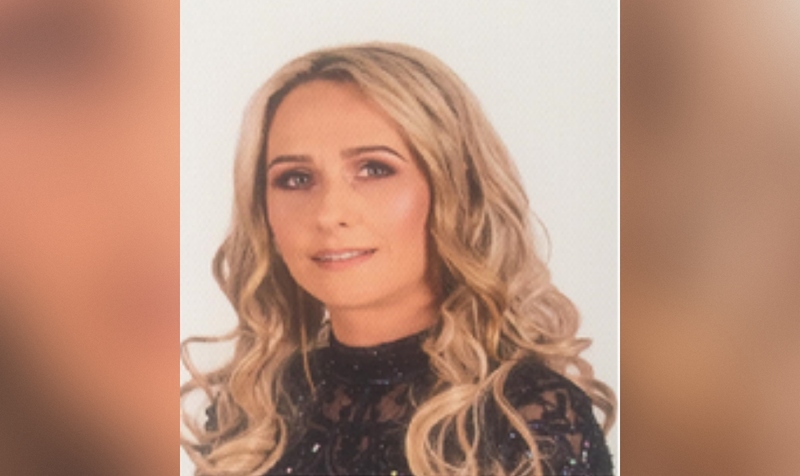
The journey toward a wedding day is usually paved with joy, anticipation, and the meticulous planning of a future together. For Laura Connolly, a 34-year-old mother from Lifford, Co Donegal, July 11, 2021, was supposed to be a milestone in that journey. She had spent the day shopping for her dream wedding dress, envisioning the moment she would say “I do” to her childhood sweetheart.
However, that dream was violently extinguished in the early hours of the morning by a man who should never have been behind the wheel. The case of the disqualified driver who caused this fatal road collision and killed Laura Connolly remains one of the most heart-wrenching examples of how systemic disregard for road laws can lead to irreparable tragedy. As we look back from the perspective of 2026, the ripples of this case continue to influence road safety legislation and the public’s demand for stricter enforcement against repeat offenders.
The Final Hours: From Wedding Dresses to a Roadside Tragedy
Laura Connolly was a woman full of life, described by those who knew her as the “soul of the party” and a devoted mother. She had been dating Joseph McCullagh since she was sixteen, a romance that had spanned nearly two decades. Their upcoming wedding was the culmination of a lifetime of shared memories.
On the night of the incident, Laura had been out socialising with friends in Lifford. The atmosphere was celebratory; the high of finding a wedding dress just hours earlier was still fresh. Witnesses described a scene of laughter, dancing, and singing as a group of five women walked along the N15 road at Townspark.
In a moment of high spirits—a detail that makes the subsequent events even more tragic—Laura had reportedly lain down on the road, laughing and joking with her friends. Her head was resting on the center white line of the road. It was a moment of carefree joy that turned into a nightmare in seconds.
The Collision: A Hit-and-Run by a Disqualified Driver
As Laura lay on the road, a white Citroën Berlingo van approached at high speed from the direction of Castlefin. Despite the frantic efforts of her friends and a nearby motorist, Emmett McGavigan, to alert the driver, the vehicle did not slow down.
Mr. McGavigan later testified that he flashed his headlights up to ten times at the oncoming van. His partner, Aine, was “freaking out” as they realized the van was not stopping. The vehicle struck Laura, wobbled momentarily from the impact, and then sped off toward Lifford Bridge and on to Strabane.
The driver, Sean Connaughton, then 55, was a former firefighter and a man who was well aware of the protocols of emergency response. Yet, instead of stopping to render aid, he fled the scene. This act of criminal negligence highlighted the severe legal ramifications of driving while banned, underscoring a profound lack of driver accountability. He chose to ignore this ban with fatal consequences. Perhaps the most damning detail revealed in court was that Connaughton was already banned from driving. He had been disqualified for four years starting in April 2020 for driving without insurance—a ban he chose to ignore with fatal consequences.
Key Details of the Incident:
Location: N15 road at Townspark, Lifford, Co Donegal.
Date: July 11, 2021.
Vehicle: White Citroën Berlingo van.
Driver Status: Disqualified from driving for 4 years at the time of the crash.
The Legal Battle: 16 Previous Convictions and a Denied Reality
When Sean Connaughton eventually presented himself at Letterkenny Garda Station the following day, he initially denied involvement. The subsequent Gardaí investigation, despite his background as a trained paramedic—a profession dedicated to saving lives—he claimed that if he had hit something, he would have stopped.
However, the forensic evidence told a different story. A subsequent examination of his van found DNA matching Laura Connolly. Furthermore, his personal iPhone records showed calls and texts around the time of the collision, yet no mention of an accident.
As the case progressed through the Letterkenny Circuit Court, the full extent of Connaughton’s history with the law came to light. He possessed 16 previous convictions, including multiple road traffic offenses and larceny, underscoring the ongoing challenge in the enforcement of driving prohibitions.
The Charges and Plea
Connaughton eventually pleaded guilty to several charges, including:
- Dangerous driving causing death.
- Failing to keep a vehicle at the scene of an accident.
- Driving without insurance.
- Driving without a valid license.
Heartbreak in the Courtroom: The Victim Impact Statements
The sentencing hearing was a somber affair, defined by the raw grief of the Connolly and McCullagh families. In 2026, road safety advocates still point to these victim impact statements as a reminder of the “human cost” behind the statistics of road traffic fatalities and the profound impact on victims’ families. This was a preventable death that shattered lives.
Laura’s mother, Rosemary, spoke of losing her “only daughter and best friend.” The two lived just six doors apart and had spent the months leading up to the tragedy planning the “perfect wedding.” The empty seat at the altar was a recurring theme in the statements from Laura’s father, Jimmy, her brother, James, and her son, Jamie.
Joseph McCullagh, the man who was supposed to become her husband, described the shattering of a future they had spent twenty years building. The psychological toll on the family was described as “insurmountable,” a life sentence of grief caused by a man who refused to obey a simple driving ban.
The Defense’s Argument: Threats and Remorse
The defense, led by Mr. Colm Smyth, SC, attempted to paint a picture of a man under pressure. They argued that Connaughton had received “verified threats” against his life in Donegal, which is why he had moved to Dundalk. They suggested his mental health had deteriorated, noting symptoms of prolonged psychological reaction, anxiety, and high blood pressure.
Connaughton himself took the stand to apologize, stating, “If I had obeyed my driving ban, Laura would have been alive.” While he expressed remorse, the prosecution and the families noted that this realization came far too late for Laura.
Analysis: The Crisis of Disqualified Drivers in 2026
The Laura Connolly case serves as a catalyst for a broader discussion on how society handles disqualified drivers. By 2026, road safety advocacy groups and legislation have attempted to close the loopholes that allowed drivers like Connaughton to remain on the road.
1. The Failure of the Honor System
For decades, driving bans relied heavily on the “honor system” and random police checks. The Connolly case highlighted that for habitual offenders, a piece of paper from a court is not a physical barrier to entering a vehicle.
2. Technological Interventions
In the years since 2021, there has been a push for Automatic Number Plate Recognition (ANPR) to be more integrated with disqualified driver databases. In 2026, many jurisdictions are exploring “smart ignitions” for repeat offenders, which require biometric verification to start a car, though these measures remain controversial regarding privacy.
3. Stricter Sentencing Guidelines
The widespread public outcry following cases where “banned drivers” kill has led to a shift in sentencing for road offenses. There is a growing demand for “consecutive” rather than “concurrent” sentencing for those who kill while driving disqualified, ensuring that the act of ignoring a court order is punished separately from the act of dangerous driving.
Comparing Global Road Safety Trends: The “Wedding” Context
Interestingly, the year 2024 and 2025 saw a bizarre trend of “wedding-related” traffic incidents that dominated the news. For instance, in Port St. Lucie, Florida, a bride was caught “racing to the altar” at 105 mph in a Tesla. While no one was hurt in that specific incident, it underscores a dangerous cultural phenomenon: the idea that the “importance” of a wedding day somehow excuses reckless behavior on the road.
However, the Laura Connolly case is the tragic inverse. It wasn’t the bride being reckless; it was a bride-to-be being the victim of someone else’s utter disregard for the law. While the Florida bride faced a speeding ticket and a viral video, the Connolly family faced a funeral. This contrast highlights the spectrum of road safety issues—from the “hurried” driver to the “banned” criminal.
The Lasting Legacy of Laura Connolly
As we reflect on this case in 2026, Laura Connolly’s name is often invoked in Irish road safety campaigns. Her story is a powerful deterrent, used to illustrate that a driving ban is not a suggestion—it is a legal mandate designed to prevent death.
The community in Lifford and the wider Donegal area continue to honor her memory. The tragedy served as a wake-up call for the Gardaí and the Irish legal system to tighten the net around those who treat driving as a right rather than a privilege, emphasizing the need for thorough Gardaí investigation and swift justice.
Lessons Learned:
Enforcement is Key: A ban is only as effective as its enforcement. Increased roadside checks and ANPR technology are essential.
The Responsibility of the Community: Friends and family of disqualified drivers have a moral obligation to prevent them from getting behind the wheel.
- The Weight of Remorse: Remorse after a fatality does not undo the choice to drive illegally.
Conclusion: A Future Stolen
The man who ran over Laura Connolly was a man who had been told by the state that he was too dangerous to be on the road. He chose to ignore that warning, and in doing so, he stole a mother from her child, a daughter from her parents, and a bride from her groom.
The “dream wedding dress” Laura shopped for on that Saturday remains a haunting symbol of a future that should have been. As road safety continues to evolve in 2026, the goal remains the same: ensuring that no other family has to stand in a courtroom and explain how a banned driver turned their world upside down.