Senedd Election 2026: When Results Are Due and What to Expect from the New Proportional System

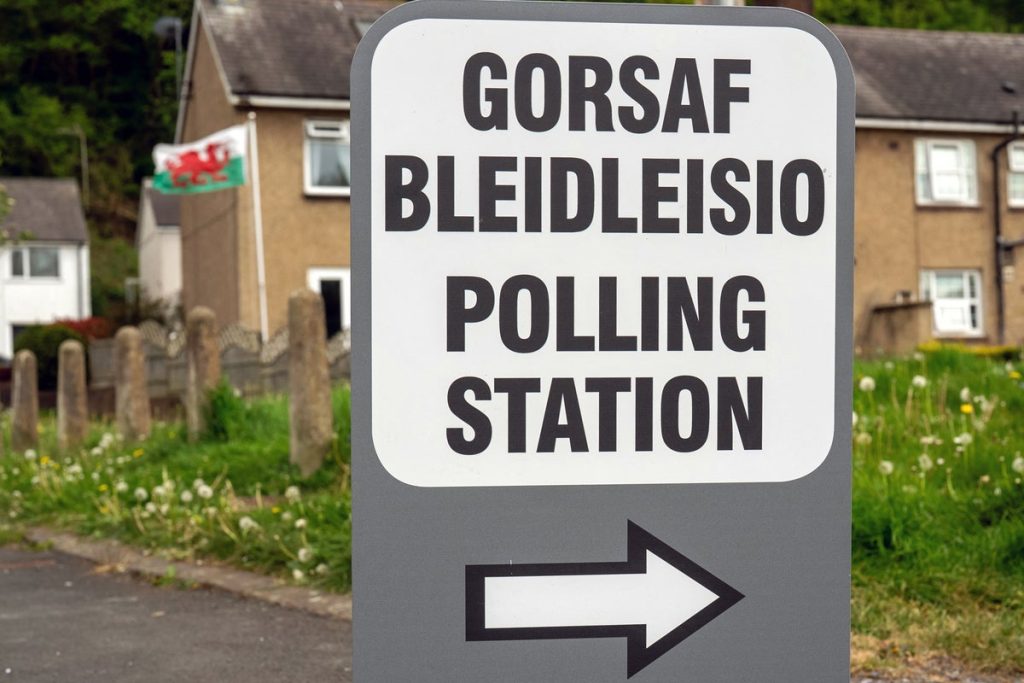
The 2026 Senedd election represents a watershed moment in Welsh political history. As the dust settles on Thursday’s polling, the focus has shifted entirely to the counting process, which officially commenced on Friday, May 8, 2026. This isn’t just another election; it is the first time voters have navigated the new fully proportional voting system, marking a significant departure from the electoral methods of the past.
With the Senedd expanded to 96 Members, the stakes have never been higher. As counting continues across the nation’s 16 new super-constituencies, observers are waiting to see if the long-standing dominance of Welsh Labour will finally be broken by a surge from Plaid Cymru and Reform UK.
When Will the Results Be Announced?
Unlike previous elections where counting often stretched deep into the early hours of Friday morning, the 2026 Senedd election follows a daytime counting schedule. Returning officers across Wales were directed to begin the process between 9:00 am and 11:00 am on Friday, May 8.
The Timeline for Declarations
Because the election is managed locally by returning officers in each constituency, there is no single “national” moment when the result is confirmed. Instead, the public can expect a staggered stream of information:
Early Afternoon: Initial declarations are expected to start trickling in as individual counts conclude.
Late Afternoon: A clearer picture of the seat distribution will emerge as the larger, more complex super-constituencies finalize their tallies.
Evening: The final results for all 96 seats are expected to be declared by the end of the day, effectively confirming the composition of the seventh Senedd.
It is important for voters and political analysts to remain patient. The transition to a new proportional system means that verification and allocation processes are more intricate than in previous years. The Electoral Commission has confirmed that results will be published on the official Senedd website in real-time as they are validated.
A Historic Shift: The Expanded Senedd and Proportional Voting
The 2026 election is defined by structural reform. The Senedd has expanded from its previous iteration, now consisting of 96 Members of the Senedd (MSs). This expansion was designed to improve the capacity of the Welsh Parliament to scrutinize legislation and represent the interests of the Welsh public more effectively.
How the New System Works
Under the new proportional model, seats are allocated based on a party’s overall vote percentage across the 16 super-constituencies. This is a dramatic departure from the previous “First Past the Post” or mixed-member systems.
Key implications of this change include:
- Greater Representation: Smaller parties have a more viable path to securing seats, theoretically reducing the number of “wasted” votes.
- Coalition Potential: With 49 seats required for a majority, it is increasingly likely that no single party will be able to govern alone. This could usher in a new era of coalition politics in Cardiff Bay.
- Increased Scrutiny: Every vote cast contributes to the final seat tally, making every constituency battle critical to the national outcome.
The Political Landscape: A Three-Way Race?
For over a century, Welsh Labour has been the bedrock of the nation’s political landscape. However, the 2026 campaign has been characterized by intense volatility. Recent opinion polls heading into the election suggested a narrowing gap, with Plaid Cymru and Reform UK positioning themselves as serious contenders for power.
Labour’s Defensive Battle
First Minister Baroness Eluned Morgan has faced a grueling campaign. Her public appeals to voters to avoid “protest voting” reflect the genuine anxiety within the Labour party. Reports have already begun to circulate—with some sources indicating that the First Minister might face a challenge in her own seat of Ceredigion Penfro—highlighting the fragility of the current political order.
The Challenger Parties
Plaid Cymru: Leader Rhun ap Iorwerth has run an aggressive campaign, framing his party as the natural alternative to Labour. Plaid’s strategy has focused on local empowerment and cultural preservation, aiming to capitalize on dissatisfaction with the status quo.
- Reform UK: Nigel Farage has framed this election as a referendum on the leadership of the UK government. By tapping into anti-establishment sentiment, Reform UK has made significant inroads, aiming to disrupt the traditional Labour-Plaid dynamic.
Analyzing the Impact of the 2026 Results
As the results begin to arrive, political analysts are looking for several key indicators to determine the future direction of Wales.
The Threshold for Majority
A party needs 49 seats to command a majority. If the results show a fragmented Senedd, we may see a prolonged period of negotiation. This would be a significant test for the new system, as parties that have campaigned against one another may be forced to find common ground to form a functioning government.
The “Protest Vote” Phenomenon
One of the most interesting aspects of this election is the extent to which voters have used the ballot box to send a message to Westminster. The performance of Reform UK will be a litmus test for how much the Welsh electorate is influenced by UK-wide political trends versus purely devolved issues.
The Stability of the Senedd
The expansion to 96 members is intended to bring more stability and oversight. However, if the election produces a hung parliament, the coming months could be marked by legislative gridlock. The efficiency of the new proportional system will be judged not just by how it allocates seats, but by how effectively it allows the government to function thereafter.
What Happens After the Results?
Once the final seat is declared on Friday evening, the process of forming a government begins. If no party achieves the 49-seat threshold, formal coalition talks will likely commence over the weekend.
The Electoral Commission and the Senedd officials have prepared for a seamless transition. Once the 96 MSs are confirmed, they will undergo induction, and the process of electing a First Minister will move to the floor of the Senedd. This is the moment when the campaign promises made during the heated weeks of April and May will be tested against the reality of parliamentary arithmetic.
Conclusion
The 2026 Senedd election is undeniably the most consequential in recent memory. By moving to a fully proportional system and expanding the Senedd, Wales has entered a new phase of its democratic development.
Whether Labour manages to retain its grip on power or we see a historic shift toward a coalition or a new governing party, the results arriving throughout this Friday will dictate the trajectory of Welsh policy for the next term. For the citizens of Wales, the wait is almost over. Keep a close watch on the official results as they are finalized, as every single seat declaration will help shape the future of the nation.