Canada’s Youth Unemployment Crisis: Analyzing the April 2026 Job Losses and Economic Ripple Effects

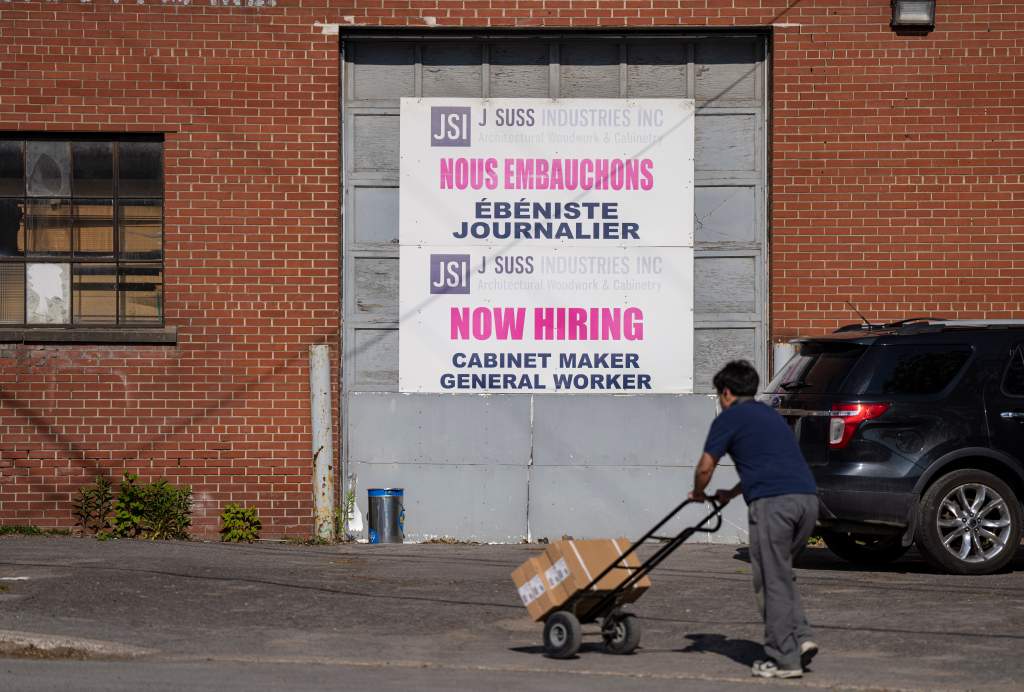
The Canadian labor market is currently navigating a period of significant turbulence. As of April 2026, the latest data from Statistics Canada reveals a sobering reality for the nation’s workforce, particularly for its youngest members. With the economy shedding approximately 18,000 jobs in a single month, the national unemployment rate has climbed, signaling a cooling period that many economists had feared.
While the overall numbers are concerning, the spotlight is firmly on youth unemployment, which has surged to levels not seen in years. For Canadians aged 15 to 24, the struggle to find meaningful work is no longer a temporary hurdle but a systemic challenge. This article provides a comprehensive breakdown of the April 2026 labor report, the historical context leading to this moment, and the long-term implications for the Canadian economy.
The April 2026 Labour Force Survey: A Harsh Reality Check
The April 2026 Labour Force Survey serves as a stark reminder of the fragility of the current economic recovery. Canada’s overall unemployment rate rose by 0.2 percentage points to reach 6.9 per cent, a six-month high. This shift was driven by a net loss of 17,700 positions (rounded to 18,000 in major reports) and an influx of more people entering the market in search of work.
The Youth Demographic: Hit First and Hardest
The most alarming statistic from the report is the 14.3 per cent youth unemployment rate. This represents a half-percentage point increase in just one month. To put this in perspective, while the national average saw a modest uptick, the rate for those aged 15 to 24 rose by more than double that margin.
This is not a new trend, but rather the continuation of a difficult cycle. In February 2026, youth unemployment had already jumped 1.3 percentage points to 13.8 per cent. After a brief period of stagnation in March, the April surge brings the figure dangerously close to the 14.6 per cent high recorded in September 2025.
The Structural Shift: From Full-Time Security to Part-Time Precarity
One of the most telling aspects of the April report is the composition of the jobs being lost versus those being gained. Full-time employment fell by 0.3 per cent, while part-time employment rose by 0.8 per cent. This indicates a “hollowing out” of stable career paths in favor of gig work or temporary roles.
Why the Shift Matters
For young workers, the lack of full-time opportunities is devastating. Part-time roles rarely offer the benefits, stability, or professional development necessary to build a long-term career. This shift suggests that employers are becoming increasingly risk-averse, opting for flexible, low-commitment staffing models in the face of broader economic uncertainty.
The Core-Age Divide
While youth struggle, the “core-aged” demographic (25 to 54) is seeing a more nuanced impact:
Core-aged men: Unemployment rose by 0.3 per cent to 6.1 per cent.
Core-aged women: The rate remained unchanged at 5.9 per cent.
- Older workers (55+): This group remained the most stable, with an unchanged unemployment rate of 4.9 per cent.
This disparity highlights that the current economic downturn is disproportionately affecting those at the beginning of their professional journeys.
Why 2026 is a Turning Point for the Canadian Labour Market
To understand why Canada shed 18,000 jobs in April 2026, we must look at the external pressures weighing on the economy. The labour market is currently struggling against a backdrop of U.S. tariffs and persistent trade uncertainty.
The Impact of Trade Volatility
Canada’s economy is deeply integrated with its southern neighbor. Recent trade tensions and the implementation of specific tariffs have forced Canadian manufacturers and exporters to scale back operations. When these large sectors contract, the first jobs to go are often entry-level positions, directly impacting the youth demographic.
The Three-Year Decline
The current crisis has been brewing since 2024. Over the last three years, joblessness among those aged 15 to 24 has jumped by a staggering 57 per cent. In 2025, approximately 437,000 young Canadians were actively looking for work but could not find it. This represents the sharpest rise in youth unemployment outside of the pandemic in over a decade.
The Long-Term “Scarring” of Gen Z and Alpha
Economists often refer to the “scarring effect” when discussing high youth unemployment. When young people are unable to enter the workforce during their formative years, it impacts their lifetime earning potential, skill acquisition, and even mental health.
27 Weeks and Counting: The Rise of Chronic Unemployment
The April 2026 data shows that 22.5 per cent of unemployed Canadians have been searching for work for 27 weeks or more. This is significantly higher than the pre-pandemic average of 17.1 per cent (2017-2019).
For a 20-year-old, spending six months or more in a state of joblessness can be demoralizing. In 2025, the average young person spent about 16 weeks searching for a job—up nearly a month and a half from 2022 levels. By 2026, this duration is expected to climb even further, creating a “lost generation” of workers who are over-educated but under-experienced.
The Financial Security Threat
With youth unemployment hitting 19.5 per cent for those aged 15 to 19, the financial security of the next generation is at risk. Many of these individuals rely on summer and part-time jobs to fund their education or contribute to household expenses. Without this income, the reliance on debt increases, further delaying milestones like home ownership or starting a family.
The “Returning Student” Dilemma: Summer 2026 Outlook
As we approach the summer months, the outlook for students is particularly grim. Statistics Canada’s data on “returning students”—full-time students aged 15 to 24 who plan to return to school in the fall—shows a staggering unemployment rate.
In June 2025, this rate hit 17.4 per cent, and early indicators for 2026 suggest it could go even higher. The summer job market, once a reliable way for students to gain experience in tourism, retail, and camp counseling, has become hyper-competitive. Students are now competing not just with their peers, but with older workers who have been displaced from full-time roles and are taking “survival jobs.”
Economic Implications: The $18.5 Billion GDP Question
The rise in youth unemployment isn’t just a social issue; it’s a massive economic drain. Research suggests that Canada’s youth unemployment crisis puts approximately $18.5 billion in GDP at stake.
Reduced Spending Power
When 14.3 per cent of the youth population is unemployed, and a large portion of the rest is underemployed in part-time roles, consumer spending inevitably drops. Young people are traditionally the “early adopters” and heavy spenders in sectors like technology, fashion, and entertainment. A reduction in their spending power creates a ripple effect that slows down the entire economy.
The Tax Base Erosion
Long-term unemployment among youth also means fewer people contributing to the tax base. As the Canadian population ages, the economy relies on a vibrant, working youth population to support social services and infrastructure. The current trend threatens the sustainability of this model.
Moving Forward: Policy Interventions and the Path to Recovery
The Canadian government has acknowledged the severity of the situation, with recent Question Period Notes emphasizing a commitment to helping youth connect with skills and employment opportunities. However, many experts argue that more aggressive measures are needed.
Work-Integrated Learning (WIL)
Organizations like the Information and Communications Technology Council (ICTC) advocate for Work-Integrated Learning (WIL). While WIL cannot eliminate unemployment on its own, it offers a practical, evidence-based way to lessen the “scarring” effects. By integrating internships, co-ops, and apprenticeships into the educational curriculum, students can gain the “Canadian experience” that employers so often demand.
Addressing the Skills Gap
There is a persistent mismatch between the skills young graduates possess and the needs of the 2026 labor market. Investment in green energy, AI, and healthcare technology is essential, but these sectors require specialized training. Government subsidies for businesses that hire and train first-time workers could provide the necessary incentive to reverse the 18,000-job-loss trend.
Conclusion: A Call for Resilience and Reform
The April 2026 jobs report is a wake-up call for Canada. The loss of 18,000 jobs and the rise of youth unemployment to 14.3 per cent are symptoms of a broader economic malaise that requires immediate attention.
For young Canadians, the message is one of resilience. The transition from school to work has become more difficult than at any point since the 2008 financial crisis or the 2020 pandemic. For policymakers, the message is one of urgency. Without a concerted effort to stabilize trade, incentivize full-time hiring, and support student transitions into the workforce, the “temporary” rise in unemployment could become a permanent fixture of the Canadian landscape.
As we move through the remainder of 2026, the focus must remain on creating a labor market that doesn’t just “shed” jobs, but actively cultivates the talent of the future. The $18.5 billion question remains: can Canada afford to let its youth stay on the sidelines?