Hantavirus Cruise Crisis: Seven Britons Disembark Mid-Voyage Amid Global Health Scrutiny in 2026

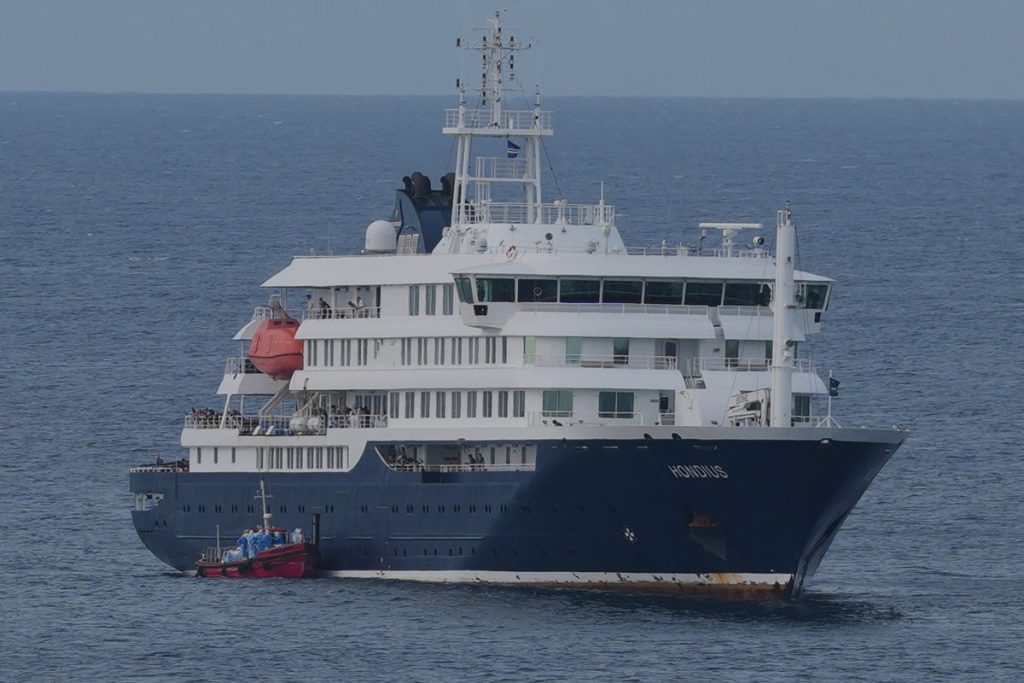
The year 2026 has witnessed an unprecedented maritime health crisis, casting a long shadow over the allure of expedition cruises. At the heart of this unfolding drama is the MV Hondius, a vessel that commenced its journey from Ushuaia, Argentina, promising adventure but instead became a focal point for a serious hantavirus outbreak. This intricate situation gained significant international attention when it emerged that Seven Britons disembarked from hantavirus cruise ship mid-voyage, alongside a total of 22 other individuals, at the remote South Atlantic island of St Helena. This pivotal moment on April 24, 2026, marked a critical juncture in a crisis that has since prompted widespread public health alerts, extensive contact tracing, and a comprehensive global response.
The incident underscores the complex challenges of managing infectious diseases in a globalized world, particularly within the unique confines of a cruise ship. As health authorities worldwide grapple with containment and care, the narrative of the MV Hondius serves as a stark reminder of the delicate balance between adventure tourism and public health security. The proactive measures taken by international bodies like the UK Health Security Agency (UKHSA) and the European Centre for Disease Prevention and Control (ECDC) highlight a concerted effort to mitigate further spread and safeguard public health, even as the vessel continues its journey under strict precautionary protocols.
The MV Hondius Saga: A Timeline of Unrest
The ill-fated voyage of the MV Hondius began with the usual excitement and anticipation associated with an expedition cruise. However, what started as a journey of discovery quickly transformed into a public health emergency, forcing a dramatic shift in its trajectory and purpose.
Departure and Early Incidents (Early April 2026)
On April 1, 2026, 114 guests boarded the MV Hondius in Ushuaia, Argentina, ready to embark on an ambitious expedition across the Atlantic, with Cape Verde as its ultimate destination. The early days of the cruise proceeded without overt incident, but beneath the surface, a silent threat was beginning to emerge.
Tragedy first struck on April 11, 2026, when a guest passed away onboard. This individual was the husband of a Dutch woman who would later become a central figure in the mid-voyage disembarkation. While the initial cause of death was not immediately linked to the unfolding hantavirus outbreak, it retrospectively became part of the broader, concerning pattern. The somber event undoubtedly cast a pall over the ship, laying the groundwork for the more alarming developments to come.
Mid-Voyage Disembarkation at St Helena (April 24, 2026)
The remote South Atlantic island of St Helena became an unexpected port of call for a significant portion of the MV Hondius’s passengers and crew. On April 24, 2026, a total of 30 individuals, representing 12 different nationalities, disembarked from the vessel. Among this group, Seven Britons disembarked from hantavirus cruise ship mid-voyage, and their sudden departure has since become a key focus of the UK’s public health response.
Oceanwide Expeditions, the tour operator, confirmed the disembarkation, which included the group of individuals, among whom Seven Britons disembarked from hantavirus cruise ship mid-voyage. This number also included the body of the guest who had passed away on April 11. Most tragically, a Dutch woman who had disembarked with her husband’s repatriated body later became unwell during her onward travel and subsequently died. This incident underscored the invisible and insidious nature of the hantavirus, which can manifest symptoms days or even weeks after initial exposure.
The decision to disembark such a large contingent mid-voyage, including the moment when Seven Britons disembarked from hantavirus cruise ship mid-voyage, particularly at a location as remote as St Helena, highlights the growing concerns among the ship’s command and health authorities regarding the potential spread of infection. While the specific reasons for each individual’s disembarkation varied, the overarching context was the increasingly apparent health crisis developing onboard the MV Hondius.
Hantavirus: Understanding the Threat
The term “hantavirus” has become synonymous with the MV Hondius crisis, yet for many, the specifics of this pathogen remain largely unknown. Understanding its nature is crucial to appreciating the gravity of the situation and the rationale behind the stringent public health measures implemented.
What is Hantavirus?
Hantavirus is a zoonotic disease, meaning it is primarily transmitted from animals to humans. Unlike many common viruses, it is not typically spread from person to person through casual contact. Instead, humans usually contract hantavirus through contact with rodent urine, droppings, or saliva, or by inhaling aerosolized particles of these contaminants. The virus can lead to various illnesses, most notably Hantavirus Pulmonary Syndrome (HPS) in the Americas and Hemorrhagic Fever with Renal Syndrome (HFRS) in Europe and Asia. Symptoms can include:
Fever
Fatigue
Muscle aches
Headaches and dizziness
Chills
Abdominal problems (nausea, vomiting, diarrhea)
Severe cases can progress to respiratory distress and kidney failure, often with fatal outcomes.
The incubation period for hantavirus can range from a few days to several weeks, making early detection and contact tracing particularly challenging, especially in a mobile environment like a cruise ship. The severity of the illness and its potential for rapid deterioration underscore why health agencies have adopted such a cautious approach.
The Outbreak’s Genesis
The precise origin of the hantavirus outbreak on the MV Hondius has been a subject of intense investigation. The prevailing hypothesis, supported by Argentine government officials, points to a birdwatching expedition in Ushuaia, Argentina, which two of the passengers attended before boarding the cruise.
During this excursion, it is believed that a Dutch couple may have visited a landfill, a common habitat for rodents, where they could have been exposed to the virus. This environmental exposure prior to boarding the ship is considered the likely genesis of the cluster. The subsequent development of symptoms onboard, and the tragic fatalities, then led to the identification of the hantavirus as the causative agent. This scenario highlights the often-unforeseen risks associated with shore excursions, especially in areas where human-wildlife interfaces are prevalent.
As of May 4, 2026, the World Health Organization (WHO) confirmed seven cases—two laboratory-confirmed and five suspected—including three deaths, one critically ill patient, and three individuals reporting mild symptoms. This grim tally underscores the serious nature of the outbreak.
The Global Health Response and Monitoring Efforts
The hantavirus crisis on the MV Hondius has necessitated a robust and coordinated international public health response, involving multiple agencies across continents. The focus has been on containment, treatment, and preventing further transmission, particularly from those who disembarked.
UK Health Security Agency (UKHSA) Involvement
The UKHSA has been at the forefront of managing the British dimension of the crisis. Upon learning that Seven Britons disembarked from hantavirus cruise ship mid-voyage at St Helena, the agency immediately initiated contact tracing protocols. Professor Robin May, Chief Scientific Officer at the UKHSA, emphasized the negligible risk to the broader public not directly involved with the cruise. However, for those with direct exposure, the measures are stringent.
Contact Tracing: Efforts are underway to contact all individuals, including those among whom Seven Britons disembarked from hantavirus cruise ship mid-voyage on April 24, as well as anyone who may have been in close contact with them during onward travel, particularly on flights.
45-Day Self-Isolation: British passengers from the ship, including those among whom Seven Britons disembarked from hantavirus cruise ship mid-voyage, who are returning to the UK, including those repatriated from Tenerife, will be asked to self-isolate at home for 45 days. This extended period is based on the hantavirus’s maximum incubation period, which can be up to eight weeks, though six weeks (45 days) is considered the safer consensus.
Voluntary Isolation: Two Britons, part of the group where Seven Britons disembarked from hantavirus cruise ship mid-voyage, who had already returned to the UK via Johannesburg after disembarking in St Helena voluntarily contacted health officials and are now self-isolating at home, despite not showing symptoms. This demonstrates a commendable level of public health awareness and cooperation.
Professor May clarified that hantavirus transmission between individuals is “not that easy,” reassuring the public that brief encounters, such as in an airport, pose minimal risk. The focus of contact tracing is on prolonged, close contact, such as sitting next to someone for several hours on a flight.
European Centre for Disease Prevention and Control (ECDC) & WHO Directives
The international nature of the crisis demanded a coordinated approach from major global health bodies.
“Close Contact” Designation: The ECDC declared that everyone who was on board the MV Hondius should be considered a “close contact” due to the enclosed environment and potential for exposure. This directive informed the extensive monitoring and isolation recommendations.
Disinfection and Precautionary Measures: The World Health Organization (WHO) confirmed that passengers remaining on the ship were confined to their cabins while “disinfection and other public health measures are carried out.” This strict protocol was crucial for minimizing any potential ongoing transmission within the vessel itself.
Global Coordination: Both organizations have been working closely with national health agencies, including the UKHSA, to share information, coordinate responses, and ensure consistent public health advice across affected nations.
Medical Evacuations and Ongoing Care
The severity of hantavirus necessitated several urgent medical evacuations from the MV Hondius, highlighting the critical condition of some individuals.
Martin Anstee: A 56-year-old British crew member and expedition guide, Martin Anstee, was medically evacuated to the Netherlands on Wednesday, April 24, 2026, to receive specialist medical care. Speaking from isolation in hospital, Mr. Anstee confirmed he was “doing OK” but undergoing numerous tests, describing the experience as “very traumatic.”
British Passenger: A 69-year-old British passenger was medically evacuated to South Africa on April 27, 2026, and is currently receiving care at a private health facility in Sandton, Johannesburg.
Other Evacuations: Three individuals in total were evacuated to the Netherlands for treatment, including Mr. Anstee, underscoring the serious nature of their conditions. The rapid deterioration associated with hantavirus meant quick action was essential.
Repatriation and Isolation Protocols
With the MV Hondius continuing its journey, albeit under a cloud of intense scrutiny, the focus shifted to the safe repatriation of the remaining passengers and the implementation of strict isolation measures to prevent any further spread of the hantavirus.
Journey to Tenerife and Repatriation Plans
After departing from Cape Verde on Wednesday, April 24, 2026, the MV Hondius set course for the Canary Islands. Spanish authorities, despite initial concerns from locals and officials, granted permission for the ship to dock in Granadilla, Tenerife, a journey expected to take three to four days.
The Foreign Office has taken the lead in arranging a charter flight to repatriate the remaining British nationals onboard once the ship docks in Tenerife, following the earlier event where Seven Britons disembarked from hantavirus cruise ship mid-voyage. This coordinated effort ensures that these passengers can return home safely and begin their mandated isolation period. Critically, the UKHSA has confirmed that none of the British citizens still on board are currently reporting symptoms, though they remain under close monitoring.
The 45-Day Isolation Mandate
The cornerstone of the UK’s containment strategy is the 45-day self-isolation period for all British passengers returning from the MV Hondius, including those among whom Seven Britons disembarked from hantavirus cruise ship mid-voyage. This recommendation is rooted in scientific understanding of the hantavirus’s prolonged incubation period.
Professor May explained that while the “most extreme case of incubation” for hantavirus “may be up to eight weeks,” the general consensus among health experts is that a six-week, or 45-day, isolation period is sufficient to cover the vast majority of potential cases and ensure that any symptoms would manifest while individuals are isolated, thereby preventing onward transmission.
This lengthy isolation period, though challenging for individuals, is a testament to the cautious approach being taken by health authorities to protect public health. It emphasizes the serious nature of hantavirus and the commitment to preventing its establishment within the UK population.
Challenges and Lessons Learned for 2026 Cruise Travel
The MV Hondius hantavirus crisis of 2026 serves as a profound case study, offering invaluable lessons for the cruise industry, public health agencies, and international travel protocols.
Cruise Ship Epidemiology
Managing an infectious disease outbreak on a cruise ship presents unique epidemiological challenges.
Confined Spaces: The close quarters and shared facilities on a vessel can facilitate rapid transmission of certain pathogens, though hantavirus is less prone to person-to-person spread, the initial exposure and potential for environmental contamination within the ship were significant concerns.
Global Mobility: Cruise ships are inherently mobile, traversing international waters and docking in numerous ports, complicating jurisdictional responses and contact tracing efforts.
Diverse Passenger Base: Passengers from many nations mean coordination with diverse national health systems, each with its own protocols and legal frameworks, adds layers of complexity.
The incident highlights the need for robust onboard medical facilities, stringent sanitation protocols, and clear emergency response plans tailored to various infectious disease scenarios.
International Coordination
The MV Hondius crisis, particularly after Seven Britons disembarked from hantavirus cruise ship mid-voyage, underscored the critical importance of seamless international coordination. The involvement of Argentine, Dutch, British, Spanish, St Helenian, and South African authorities, alongside the WHO and ECDC, demonstrates the global nature of modern health emergencies.
Information Sharing: Rapid and accurate sharing of epidemiological data is paramount.
Harmonized Protocols: Developing common guidelines for disembarkation, isolation, and medical evacuation across different jurisdictions can streamline responses.
Diplomatic Engagement: The Foreign Office’s role in repatriating citizens and coordinating with host nations is crucial.
The incident is likely to prompt further discussions on standardizing international health regulations pertaining to cruise travel.
Future of Expedition Cruises
The hantavirus outbreak, highlighted by the fact that Seven Britons disembarked from hantavirus cruise ship mid-voyage, will undoubtedly influence the future of expedition cruises, particularly those venturing into remote or wildlife-rich areas.
Enhanced Pre-boarding Health Screenings: More rigorous health questionnaires and potentially even diagnostic screenings for specific regional risks might become standard.
Review of Shore Excursion Protocols: Operators may need to reassess the risks associated with certain shore excursions, particularly those involving potential contact with wildlife or environments prone to zoonotic disease vectors (like landfills). Clearer guidelines and warnings for passengers about local health risks will be essential.
- Passenger Awareness and Responsibility: Cruise lines will likely intensify efforts to educate passengers about potential health risks in their itineraries and the importance of reporting symptoms promptly. Passengers, in turn, must adhere to health advisories and isolation requests.
Conclusion
The saga of the MV Hondius in 2026 stands as a compelling testament to the ever-present challenges of global health security, even in an era of advanced medical science. The moment when Seven Britons disembarked from hantavirus cruise ship mid-voyage in St Helena was a pivotal moment in a crisis that has since unfolded with tragic consequences and extensive public health interventions. From the suspected origins in an Argentine birdwatching expedition to the complex international efforts for medical evacuation and repatriation, this event has demanded a coordinated and robust response from health agencies worldwide.
The ongoing vigilance of the UKHSA, ECDC, and WHO, coupled with the mandatory 45-day self-isolation for returning passengers, including those among whom Seven Britons disembarked from hantavirus cruise ship mid-voyage, underscores the seriousness with which this hantavirus outbreak is being treated. While the immediate risk to the general public remains low, the incident serves as a critical learning experience for the cruise industry and global health governance. It highlights the imperative for enhanced pre-travel health assessments, revised shore excursion protocols, and seamless international collaboration to safeguard public health against future, unforeseen infectious disease threats. The human element of this crisis, marked by loss and the anxiety of isolation, reminds us that behind every public health statistic lies a personal story, reinforcing the enduring importance of proactive health security measures in our increasingly interconnected world.