Bank of England at a Crossroads: Why Interest Rates May Hold Steady Despite 2026 Inflation Surge

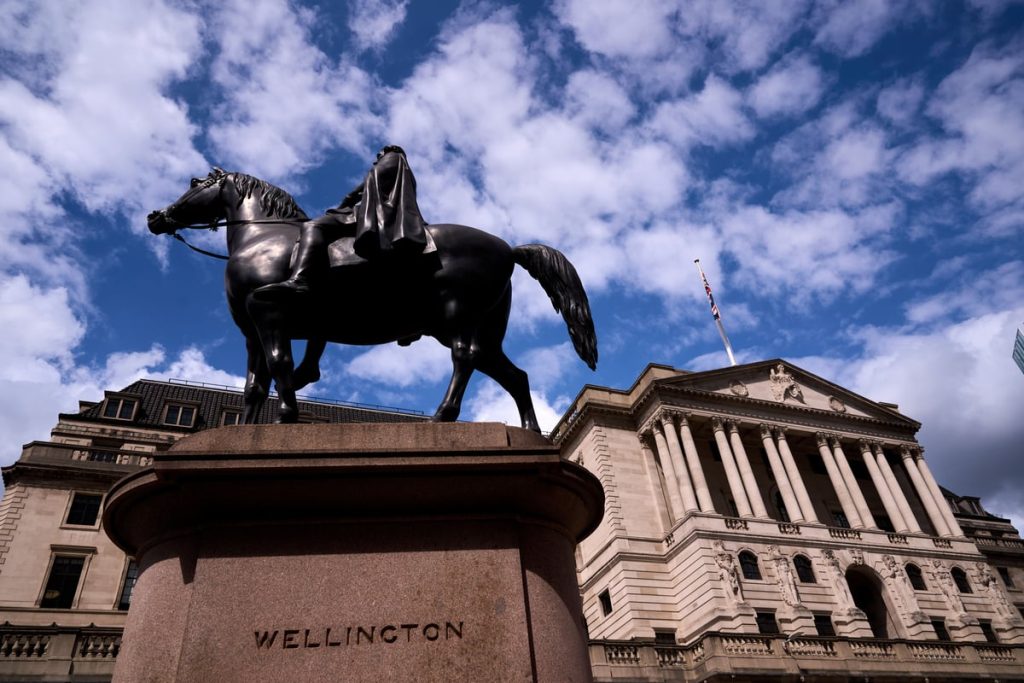
The British economy is currently navigating a complex financial landscape as we move through the second quarter of 2026. In a move that has captured the attention of global markets, the Bank of England (BoE) appears poised to maintain its current interest rate trajectory. Despite a noticeable uptick in inflation—driven largely by geopolitical instability—the Monetary Policy Committee (MPC) is expected to prioritize caution over aggressive tightening.
As the nation awaits the official announcement this Thursday, the central question remains: can the BoE successfully balance the need to curb rising prices without stifling the unexpected resilience of the UK economy? With the base rate currently sitting at 3.75%, the upcoming decision marks a pivotal moment for homeowners, investors, and policymakers alike.
The 2026 Inflation Reality: A Geopolitical Energy Shock
The primary driver behind the recent inflationary pressure is no secret. The ongoing conflict between US-Israeli and Iranian forces, which escalated in late February 2026, has sent shockwaves through global energy markets. This “energy shock” has directly impacted the UK’s Consumer Prices Index (CPI), which climbed to 3.3% in March 2026.

According to data from the Office for National Statistics (ONS), this represents a three-month high. The most significant contributor was a staggering 8.7% month-on-month increase in motor fuel prices. This jump—the largest since the volatile summer of 2022—is a direct result of disrupted oil production and transportation routes in the Middle East.
Key Factors Driving Inflation Upward:
- Fuel Costs: Petrol and diesel prices have surged as supply chains struggle with regional blockades.
- Food Security: BoE research indicates that UK firms are bracing for food inflation to hit as high as 7% by next year.
- Supply Chain Lag: The “dirty ceasefire” currently in place has not yet restored full confidence in global logistics, keeping shipping insurance and freight costs elevated.
Why the MPC is Expected to Hold at 3.75%
Despite these mounting pressures, the consensus among leading economists is that the nine-member MPC will vote to keep the Bank Rate at 3.75%. This “wait and see” approach is designed to allow policymakers to assess the full impact of the recent energy shock before making a move that could potentially trigger a recession.

Andrew Goodwin, chief UK economist at Oxford Economics, suggests that while a minority of the committee might push for a 25 basis point hike to guard against upside risks, the majority will likely opt for stability. The goal is to keep policy at a “restrictive level” without over-tightening while the geopolitical situation remains fluid.
The Argument for Stability
- Economic Resilience: The UK economy grew by 0.5% in February 2026, outperforming the modest 0.1% forecast. This suggests that the current rate of 3.75% is not yet strangling growth.
- Consumer Behavior: Interestingly, retail sales volumes were stronger than anticipated in March. This was partly driven by motorists “stocking up” on fuel in anticipation of further price hikes, providing a temporary boost to economic activity.
- The US Federal Reserve Factor: The BoE’s decision comes just 24 hours after the US Federal Reserve’s own policy announcement. With the Fed also expected to hold rates steady, the BoE is likely to follow a similar path of international monetary synchronization.
The “Dirty Ceasefire” and Economic Uncertainty
One of the most significant variables in the BoE’s forecasting is the nature of the current peace in the Middle East. Sandra Horsfield, an economist at Investec, points out that while military strikes have largely paused due to an indefinite ceasefire, the economic repercussions are far from over.

The term “dirty ceasefire” refers to a state where open combat has ceased, but trade routes remain contested and oil flows are still frequently disrupted. This creates a high level of economic uncertainty, making it difficult for the MPC to commit to a long-term strategy. If the ceasefire holds and energy prices stabilize, the BoE may avoid further hikes entirely. However, if the peace proves fragile, a rate hike in June or July 2026 remains a distinct possibility.
Market Forecasts: What Lies Ahead for 2026 and 2027?
While the immediate outlook is for a “hold,” the long-term projections offer a more nuanced view of the UK’s financial health. Senior economists at Pantheon Macroeconomics, including Elliott Jordan-Doak, predict that the MPC might be “bumped” into a single hike later this year—potentially in June—if May’s economic data continues to show elevated inflation.
The Projected Interest Rate Path:
- Q2 2026: Rates likely to remain steady at 3.75%.
- Q3/Q4 2026: A possible “pre-emptive” hike to 4.0% if energy prices don’t cool.
- 2027 Outlook: Economists anticipate a cooling period, with at least two rate cuts projected for 2027, potentially bringing the Bank Rate down to 3.5%.

This trajectory suggests that the Bank of England views the current inflationary spike as a “transitory shock” linked to specific geopolitical events rather than a systemic failure of domestic monetary policy.
Impact on UK Households and Businesses
For the average UK citizen, the BoE’s cautious stance is a double-edged sword. On one hand, holding rates steady provides a reprieve for those on variable-rate mortgages or those looking to refinance. On the other hand, the refusal to hike rates further means that the cost of living may remain elevated for longer as inflation stays above the 2% target.

Business Sentiment and Investment
UK firms are currently operating in a high-cost environment. With food inflation potentially hitting 7% and fuel costs remaining volatile, business margins are being squeezed. However, the stronger-than-expected GDP growth in early 2026 indicates that British industry is finding ways to adapt. Many companies are holding off on major capital investments until there is more clarity on whether interest rates have truly peaked.
Analysis: Is Caution the Right Strategy?
The Bank of England is effectively playing a game of “monetary chess.” By holding rates at 3.75%, they are acknowledging that the current inflation is supply-side driven (energy and food) rather than demand-side driven (excessive consumer spending).
Raising interest rates is a tool designed to cool down an overheating economy by making borrowing more expensive. However, if the inflation is caused by a war thousands of miles away, raising rates in London may do little to lower the price of petrol at the pump, while simultaneously making it harder for UK businesses to survive.
The MPC’s first full monetary policy report since the conflict began will be crucial. It will provide the “economic roadmap” that investors have been desperate for, detailing how the Bank plans to navigate the remainder of 2026.
Conclusion: A Delicate Balancing Act
As the Bank of England prepares to announce its decision, the UK finds itself at an economic crossroads. The 3.3% inflation rate is a clear warning sign, but the 0.5% growth rate is a glimmer of hope. By opting for a cautious hold at 3.75%, the BoE is betting that the current energy shock will eventually subside without the need for further painful rate hikes.
However, the shadow of the Middle East conflict looms large. Should the “dirty ceasefire” collapse, or should oil flows remain restricted, the MPC will have no choice but to act. For now, the message from Threadneedle Street is clear: stability is the priority, but the door to future hikes remains firmly ajar.