Political Earthquake: Labour’s 2026 Local Election Meltdown and the Rise of Reform

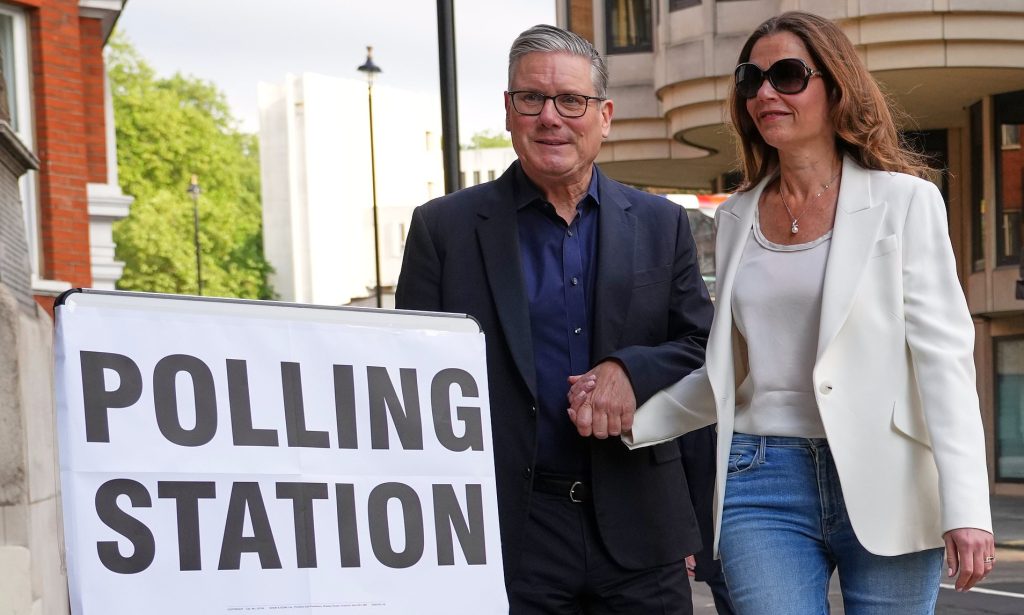
The British political landscape has been fundamentally reshaped. As the dust settles on the 2026 local elections, the Labour Party finds itself in the midst of an unprecedented crisis. Early returns indicate a catastrophic performance for Sir Keir Starmer’s administration, with the party’s traditional “Red Wall” heartlands crumbling under a sustained onslaught from Nigel Farage’s Reform UK.
For the Prime Minister, this is more than just a bad night at the ballot box; it is an existential threat to his premiership. With calls for his resignation growing louder by the hour and internal party discipline fraying, the question is no longer whether Starmer is in trouble—but whether he can survive the fallout.
The Scale of the Collapse: A Nation in Flux
The 2026 elections were billed as a mid-term test for the government, but they have morphed into a referendum on Starmer’s leadership. Across England, Labour has lost control of iconic councils including Hartlepool, Redditch, and Tameside—the latter having been a Labour bastion for nearly half a century.
Key Electoral Failures
The Northern Retreat: Reform UK has successfully plundered seats across the North and Midlands, effectively turning the “Red Wall” blue-and-teal.
The Cheshire Shift: In a symbolic blow to the government, Labour lost 15 of 16 seats it defended on Halton Council.
- The Wigan Shock: Reform UK secured 20 seats from Labour in Wigan, signaling a deep-seated dissatisfaction among working-class voters who feel abandoned by the current Westminster establishment.
Political analysts are describing the shift as an “historic realignment.” The traditional binary of Left versus Right appears to be dissolving, replaced by a populist surge that transcends old party allegiances. Nigel Farage, buoyed by these results, has wasted no time in declaring that the old political order is “finished.”
Internal Mutiny: The Walls Close In on Starmer
As the results trickled in, the atmosphere within the Labour Party shifted from apprehension to open panic. Reports suggest that key allies, including Net Zero Secretary Ed Miliband, have privately urged the Prime Minister to establish a clear timetable for his departure.
The Voices of Dissent
The internal backlash is coming from all corners of the party. Jonathan Brash, a Labour MP whose own wife lost her seat in Hartlepool, has publicly demanded a change in leadership, stating, “I’m looking for change at the top.” Similarly, former shadow chancellor John McDonnell has warned that a leadership challenge must now be considered “on the table.”
While Deputy Prime Minister David Lammy has publicly pleaded with the party to avoid “pass the parcel” politics, his appeals appear to be falling on deaf ears. The reality is that the party’s machinery is failing to contain the anger, and ambitious figures like Angela Rayner, Wes Streeting, and Andy Burnham are already being touted as potential successors.
Why Reform UK is Winning the Narrative
Reform UK’s success is not merely a protest vote; it is a strategic takeover of seats that once belonged to Labour. By positioning themselves as the only party addressing the cost-of-living crisis and the anxieties of the “left-behind” communities, Farage’s team has successfully exploited the vacuum left by Labour’s perceived timidity.
The strategy has been simple but devastatingly effective:
- Targeting Core Issues: By focusing on immigration, energy costs, and local infrastructure, Reform has spoken directly to voters’ daily struggles.
- Exploiting Labour’s Hesitation: Labour’s attempts to remain “moderate” have been interpreted by many voters as a lack of conviction, allowing Reform to capture the mantle of “bold change.”
- Grassroots Organizing: The sheer volume of candidates Reform fielded across 136 councils ensured that they were present in every conversation, making them a viable alternative to the status quo.
The Road Ahead: Can the Government Recover?
Downing Street is reportedly scrambling to contain the damage. Sources indicate that Sir Keir Starmer is planning a major speech for Monday, where he is expected to pivot toward a more radical policy agenda—potentially including a more aggressive approach to unwinding Brexit—in a desperate bid to appease his mutinous MPs.
However, the question remains: is it too little, too late? The electoral map is shifting rapidly, with significant tests still to come in the Scottish Parliament and the Welsh Senedd. If Labour continues to lose its grip on its traditional strongholds, the pressure on Starmer may reach a breaking point before the weekend is out.
The “Reshuffle” Dilemma
While some aides have suggested a cabinet reshuffle, the political reality is that Starmer’s options are limited. With key figures like Angela Rayner embroiled in their own administrative controversies and others waiting in the wings to mount a challenge, a reshuffle could be perceived as a sign of weakness rather than a show of strength.
A Changing of the Guard?
The 2026 local elections have effectively signaled the end of the “Starmer era” as it was initially envisioned. Whether he is forced out by a formal vote of no confidence or chooses to resign to preserve the party’s future, the political landscape in the UK has been permanently altered.
Voters have spoken, and their message is clear: they are no longer satisfied with the status quo. Whether through the rise of Reform UK or the disillusionment with Labour, the British public is demanding a new direction. For Sir Keir Starmer, the coming days will be the most difficult of his career—a true test of whether he can lead a party that is rapidly losing faith in his vision.
Analysis: What This Means for 2027 and Beyond
The results of 2026 will serve as the foundation for the next general election cycle. If Labour cannot reconcile its urban, metropolitan base with the working-class voters who have defected to Reform, the party faces a long period of electoral irrelevance. Conversely, Reform UK must now prove it can transition from a protest movement into a governing force.
The “Red Wall” is no longer a Labour stronghold; it is a battleground. And as we look toward the remainder of the year, one thing is certain: British politics will never be the same again.