The Golden Arches Under Pressure: Why McDonald’s Warns of a Growing Economic Divide in 2026

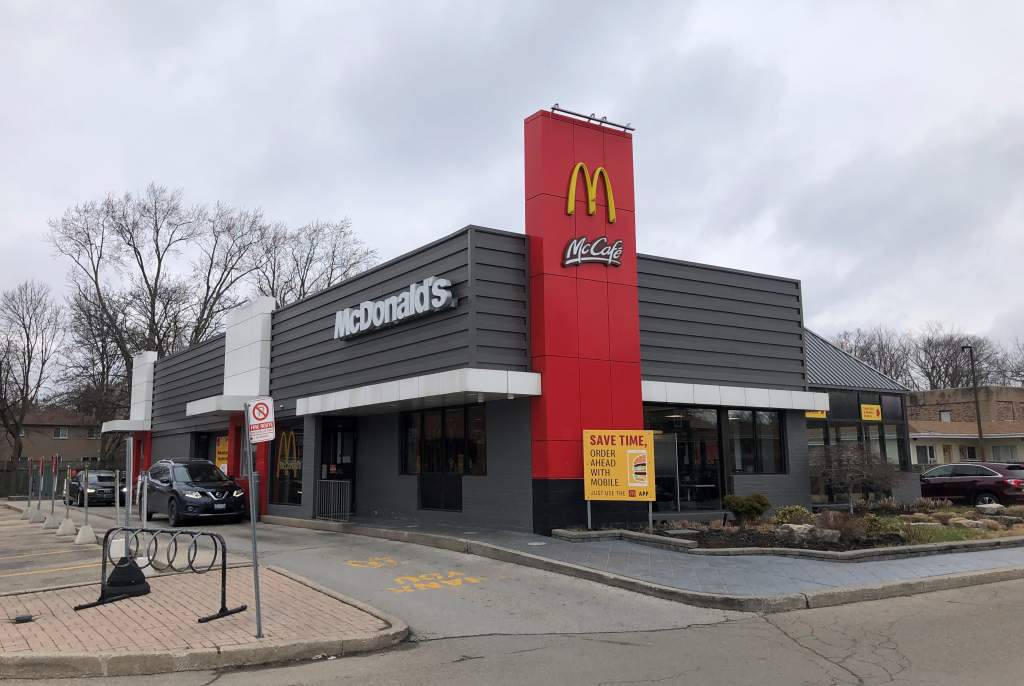
The fast-food landscape is shifting beneath our feet. As we navigate the complex economic terrain of 2026, McDonald’s—the world’s most recognizable burger chain—has sounded a sobering alarm, as McDonald’s says ‘pressures’ straining customers — and it could get worse. After years of being the go-to destination for affordable, quick meals, the company is now grappling with a sobering reality: its core customer base is being squeezed to the breaking point.
Recent earnings reports and executive commentary from CEO Chris Kempczinski paint a picture of a “two-tier economy,” confirming that McDonald’s says ‘pressures’ straining customers — and it could get worse. While the upper echelons of society continue to frequent the brand, lower-income, and increasingly middle-income, consumers are pulling back. Driven by the lingering fallout of the war in Iran, volatile fuel prices, and persistent inflation, the “value” proposition that McDonald’s built its empire on is facing its greatest test yet.
The Macro-Economic Storm: Why Consumers Are Retreating
The primary driver of this current instability is a confluence of geopolitical and domestic economic pressures, which directly contributes to why McDonald’s says ‘pressures’ straining customers — and it could get worse. The conflict in Iran has acted as a catalyst for global supply chain disruptions, specifically regarding energy and fuel. When gas prices spike, the impact is felt almost immediately at the drive-thru window.
The Disproportionate Impact on Low-Income Households
For households living paycheck to paycheck, a rise in fuel costs isn’t just an inconvenience—it’s a budgetary crisis. McDonald’s executives have noted that these consumers are the first to cut back on discretionary spending. When the cost of commuting to work rises, the budget for eating out evaporates.
Shrinking Discretionary Income: Rent, child care, and grocery inflation are eating away at the funds previously allocated for “treat” meals.
Trading Down: Customers who once ordered full combo meals are now opting for single-item purchases, such as a solitary burger or a coffee, to keep the bill under a specific threshold.
The “Value” Gap: As inflation persists, the perception of what constitutes a “good deal” has shifted. Even with aggressive pricing, customers are increasingly choosing to eat at home.
The Middle-Income Migration
Perhaps most concerning for Wall Street analysts is that the strain is no longer confined to the lowest income brackets, further validating why McDonald’s says ‘pressures’ straining customers — and it could get worse. The “middle-income squeeze” is becoming a defined trend in 2026. As interest rates remain elevated and consumer confidence wanes, even those with more stable incomes are exhibiting “cautious spending” behaviors, leading to a noticeable drop in overall traffic across the fast-food sector.
The Strategy: Can “McValue” Withstand the Pressure?
McDonald’s has responded to these headwinds with a renewed focus on value leadership, a direct consequence of the reality that McDonald’s says ‘pressures’ straining customers — and it could get worse. In mid-2026, the company doubled down on its McValue platform, introducing aggressive price points designed to keep the brand relevant for budget-conscious diners.
Menu Engineering for the Modern Budget
The strategy involves re-introducing items that hit the “psychological sweet spot” for consumers. By focusing on products priced under $3, such as the classic McDouble or the Sausage McMuffin, McDonald’s is attempting to maintain its market share in the lower-income demographic.
Breakfast as a Battleground: With a $4 breakfast meal deal, the chain is betting that it can capture the morning commuter who is looking for a low-cost alternative to artisanal coffee shops.
- The Chicken Pivot: Beef prices have surged due to global market volatility. In response, McDonald’s is shifting its marketing focus toward chicken. Chicken is inherently more cost-effective to produce, allowing the company to offer better value without sacrificing its own margins as severely as it would with beef-heavy menus.
The Franchisee Dilemma
It isn’t just the customers feeling the heat. McDonald’s franchisees are facing significant pressure on their own cash flow. While sales figures might look positive on a top-line basis, rising operational costs—labor, electricity, and ingredients—are eating into the profit margins of individual store owners. The company has begun a comprehensive review of its franchisee network to ensure that the current business model remains sustainable for those operating the restaurants on the ground.
Comparative Analysis: The Industry-Wide Slump
McDonald’s is not an island. The struggles reported by the Golden Arches are reflected across the wider Quick Service Restaurant (QSR) industry, underscoring the broader truth that McDonald’s says ‘pressures’ straining customers — and it could get worse. Competitors like Burger King, Popeyes, and Tim Hortons have all missed analyst expectations in recent quarters, confirming that this is a systemic issue rather than a brand-specific failure.
Why Competitors Are Struggling
The trend of “trading down” isn’t just moving from McDonald’s to grocery stores; it is moving between fast-food chains. Customers are becoming hyper-selective, looking for the absolute lowest price point available in their immediate vicinity. When a customer feels the pinch, brand loyalty often takes a backseat to price sensitivity.
The Role of Tariffs and Trade Uncertainty
Beyond fuel prices and the war in Iran, the 2026 economic environment is further complicated by global trade tariffs. These tariffs have injected a layer of uncertainty into the supply chain, making it difficult for restaurant chains to forecast food costs accurately. This unpredictability forces companies to either raise prices—which hurts traffic—or absorb the costs—which hurts profitability. It is a classic “lose-lose” scenario that the industry is currently navigating.
Looking Ahead: A Bleak Forecast or a New Normal?
As we move through the remainder of 2026, the outlook remains cautious, especially given that McDonald’s says ‘pressures’ straining customers — and it could get worse. CEO Chris Kempczinski has been candid about the fact that the macro-economic environment is “not improving” and, in some sectors, is “getting a little bit worse.”
Will Traffic Rebound?
The recovery of QSR traffic is heavily tied to two factors: the stabilization of fuel prices and a restoration of consumer confidence. Until households feel that their monthly budgets for necessities (rent, utilities, and groceries) are no longer under constant threat, the “dining out” category will likely remain suppressed.
The Rise of the Two-Tiered Consumer
The long-term implication is a structural shift in how fast-food companies operate. We are seeing a move toward a two-tiered model:
- The Value Tier: Extremely price-sensitive, reliant on apps, deals, and limited-time offers to drive volume.
- The Premium/Convenience Tier: Consumers who are less price-sensitive and willing to pay for digital convenience, high-end ingredients, or premium experiences.
McDonald’s is attempting to straddle both, but the company’s recent warnings suggest that the “Value Tier” is currently the most vulnerable segment of the economy.
Conclusion: The Path Forward for McDonald’s
The warning issued by McDonald’s is a bellwether for the broader economy, particularly as McDonald’s says ‘pressures’ straining customers — and it could get worse. When the world’s largest restaurant chain reports that its customers are struggling to afford a basic meal, it is a clear indicator that the cost-of-living crisis is far from over.
For the company, the challenge for the rest of 2026 will be a delicate balancing act. They must continue to offer value that appeals to a desperate consumer base while simultaneously protecting the margins of their franchisees. They will likely lean further into digital loyalty programs, personalized discounts via their app, and a menu that prioritizes lower-cost proteins like chicken.
As investors and consumers, we should expect more volatility in the coming months. The era of easy growth is on pause, replaced by an era of defensive strategies and intense competition for every dollar of the consumer’s shrinking budget. Whether these adjustments will be enough to bring back the missing traffic remains the multi-billion-dollar question for the remainder of the year.