Hantavirus Cruise Ship Crisis: The Race to Tenerife and Global Health Containment Efforts

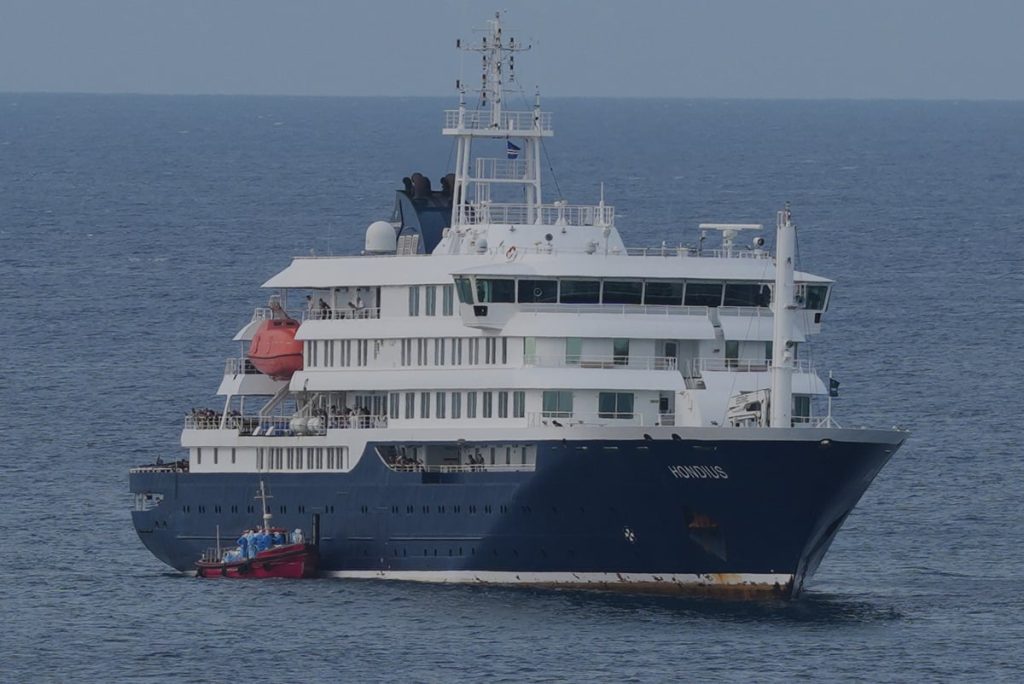
As of May 2026, the international maritime and health communities are closely monitoring the MV Hondius, a cruise ship currently navigating toward the Canary Islands after being struck by a severe hantavirus outbreak. With the vessel still days away from docking in Tenerife, the situation remains a high-stakes logistical challenge, pitting public health safety protocols against the urgent need for passenger repatriation.
The outbreak, which has already claimed lives and necessitated emergency medical evacuations across three continents, has triggered a massive response from the World Health Organization (WHO) and the European Centre for Disease Prevention and Control (ECDC). As the ship makes its slow journey from Cape Verde, here is the latest on the containment strategy, the medical status of those on board, and what this means for global travel safety in 2026.
The Anatomy of the Outbreak: How the MV Hondius Crisis Unfolded
The current crisis aboard the MV Hondius is believed to have originated from a land-based excursion. Epidemiological investigations suggest that the Andes virus, a specific and dangerous variant of the hantavirus, may have been contracted by passengers during a birdwatching expedition in Ushuaia, Argentina.
Hantavirus is typically transmitted to humans through contact with the urine, droppings, or saliva of infected rodents. While person-to-person transmission is rare, the confined environment of a cruise ship has complicated the situation, leading global health agencies to treat every individual currently on board as a potential “close contact.”
A Timeline of Escalation
Initial Discovery: On May 2, 2026, the WHO received reports of a cluster of passengers exhibiting severe respiratory distress.
The St. Helena Disembarkation: Prior to the current lockdown, 29 passengers disembarked on the remote island of St. Helena. Tragically, one woman who left the ship at this time later passed away after falling ill during her onward journey.
Medical Evacuations: Three individuals have been airlifted for specialist care in the Netherlands and South Africa. Health officials have confirmed that these patients are showing signs of stabilization, providing a glimmer of hope amidst the crisis.
The Journey to Tenerife: Logistical and Health Challenges
Spain’s Ministry of Health, led by Monica Garcia, has officially granted the MV Hondius permission to dock in Granadilla, Tenerife. This decision followed intense negotiations regarding the safety of the Canary Islands’ population and the necessity of providing the remaining 147 passengers and crew with a safe, controlled environment for disembarkation.
Why Tenerife?
The choice of Tenerife is strategic. As a major maritime hub with advanced medical facilities, the island is equipped to manage a large-scale quarantine and monitoring operation. The port of Granadilla provides the necessary infrastructure to isolate the vessel from the general population, minimizing the risk of local transmission.
Life Onboard During the Final Leg
According to the WHO, morale on the ship has seen a slight improvement as the vessel approaches its destination. Infectious disease experts from the WHO and the ECDC are currently embedded on the ship, conducting rigorous health assessments. These experts are playing a vital role in identifying potential new cases before the ship reaches port, ensuring that any symptomatic individuals are immediately triaged upon arrival.
Understanding the Andes Virus Variant
The Andes virus is notorious for being the only hantavirus known to be capable of human-to-human transmission. This characteristic is precisely why the UK Health Security Agency (UKHSA) and other international bodies are exercising extreme caution.
Incubation Period: The virus can remain dormant for several weeks. This explains why health authorities are implementing a 45-day self-isolation period for British nationals returning from the ship.
Risk Assessment: While Dr. Abdirahman Mahamud of the WHO has stated that they do not anticipate a full-scale epidemic, the potential for secondary cases remains a primary concern. The 2018/19 Argentine outbreak serves as a sobering historical benchmark, where 34 cases were identified.
Repatriation Plans and Post-Docking Protocols
Once the MV Hondius docks in Tenerife, the focus will shift from containment to controlled repatriation. The UK Foreign Office is currently arranging charter flights to bring British nationals home under strict medical supervision.
The Protocol for Returning Passengers
- Immediate Health Screening: Every passenger will undergo a comprehensive medical evaluation upon leaving the ship.
- Transport Bubbles: Those requiring further medical observation will be moved to isolation facilities.
- Mandatory Quarantine: Healthy passengers will be required to adhere to a 45-day isolation period at home. This duration is designed to cover the maximum possible incubation window of the Andes virus.
- Contact Tracing: The UKHSA is continuing to trace individuals who may have shared flights or close spaces with passengers who disembarked earlier in the voyage.
Global Health Insights: Lessons for the Cruise Industry
The MV Hondius incident highlights a critical vulnerability in global tourism: the speed at which a localized environmental pathogen can be transported across oceans. As global travel continues to rebound in 2026, experts are calling for a reassessment of health screening protocols for expeditions visiting remote wilderness areas.
Key Takeaways for Travelers
Expedition Awareness: When booking excursions in remote areas, ensure you are aware of the potential zoonotic diseases (diseases spread from animals to humans) in that region.
Transparency: If you fall ill during or after a cruise, reporting symptoms immediately can prevent a localized issue from becoming a global health incident.
Institutional Preparedness: The success of the current response relies on the cooperation between cruise operators like Oceanwide Expeditions and international bodies like the WHO. This level of coordination is now the gold standard for maritime health safety.
Conclusion: A Cautious Path Forward
As the MV Hondius continues its journey toward Tenerife, the global community remains vigilant. The effective management of this outbreak serves as a testament to modern medical surveillance and international cooperation. While the threat of the Andes virus is significant, the structured, transparent, and science-led approach by Spanish authorities and the WHO offers the best possible outcome for the passengers and crew involved.
The next few days will be critical. As the world watches, the primary objective remains the safe, orderly, and medically secure return of all individuals on board. By adhering to the 45-day quarantine protocols and maintaining rigorous contact tracing, health officials hope to close this chapter with no further loss of life.