From Luxury Cruise to Medical Emergency: An Oregon Doctor’s Unexpected Battle with Hantavirus

When Dr. Stephen Kornfeld, an oncologist from Bend, Oregon, stepped aboard the MV Hondius in Argentina, he envisioned a serene escape through the icy waters of the southern Atlantic. He expected to witness the majesty of whales and the rugged beauty of remote islands. Instead, he found himself thrust into a harrowing, high-stakes medical crisis that would capture global attention.
As a deadly hantavirus outbreak began to tear through the ship’s population, the vessel’s own medical staff fell ill, leaving passengers vulnerable. Dr. Kornfeld, acting on instinct and professional duty, transitioned from a vacationer to the ship’s primary physician. His story is not just one of personal heroism, but a sobering reminder of the unpredictability of infectious diseases in the modern era.
The Unfolding Crisis Aboard the MV Hondius
The MV Hondius, a vessel known for its adventurous itineraries, became the epicenter of an international health alert in the spring of 2026. What began as a dream expedition quickly devolved into a nightmare as passengers—many elderly and vulnerable—began displaying symptoms of a severe, mysterious illness.
A Rapid Descent into Illness
The virus, identified as a strain of the Andes hantavirus, is notoriously difficult to contain. Dr. Kornfeld noted that the progression was terrifyingly swift. Patients who appeared stable one moment would rapidly deteriorate into critical condition.
The ship’s own doctor was among those incapacitated, leaving a power vacuum in the medical bay. Dr. Kornfeld’s intervention was critical. He worked tirelessly to provide supportive care, as there is no specific cure for hantavirus, emphasizing the importance of hydration and respiratory management under extremely challenging maritime conditions.
Understanding the Threat: What is Hantavirus?
Hantavirus is a rare but lethal viral infection primarily transmitted through contact with the droppings, saliva, or urine of infected rodents. While human-to-human transmission is exceptionally rare, the Andes strain has been the subject of intense study due to its potential for person-to-person spread in specific circumstances.
Why the Cruise Ship Setting Was Dangerous
Cruise ships provide a unique environment for the rapid spread of respiratory viruses. In this instance, the MV Hondius was sailing in remote areas, far from the advanced critical care facilities required to treat hantavirus pulmonary syndrome (HPS).
Incubation Period: Hantavirus typically incubates for one to six weeks, making it difficult to catch before symptoms manifest.
Respiratory Failure: The virus targets the lungs, leading to fluid accumulation and severe breathing difficulties.
The “Supportive Care” Challenge: Without access to ventilators and specialized intensive care units, mortality rates for HPS remain alarmingly high.
The Global Response and Containment Efforts
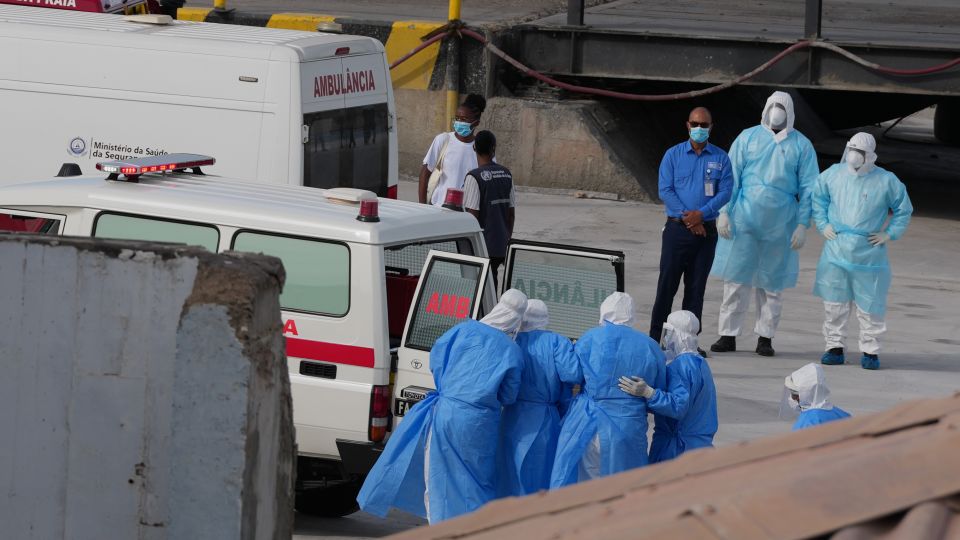
As the MV Hondius made its way toward the Canary Islands, a massive international contact tracing effort was launched. Health authorities from the United States, the Netherlands, and several other nations scrambled to coordinate the safe evacuation and treatment of the 146 passengers and crew.
The Role of International Health Authorities
The World Health Organization (WHO) and the CDC have been at the forefront of monitoring the situation. While the WHO has sought to reassure the public that this is not an epidemic on the scale of COVID-19, the logistical nightmare of evacuating sick passengers from a ship in the middle of the ocean underscored the fragility of global travel health security.
“What happens with hantavirus, ultimate survivability is really dependent on your ability to get critical care at the right time,” Dr. Kornfeld remarked. His assessment highlights the critical gaps in medical infrastructure for remote travel.
Political Fallout and Passenger Safety
The situation quickly escalated into a political issue, with families and representatives expressing frustration over the perceived lack of urgency from federal agencies. Oregon Representative Janelle Bynum publicly criticized the federal response, noting that Americans on board were left without clear guidance on how to safely return home.
The Debate on Preparedness
The incident has ignited a wider debate regarding the oversight of cruise lines operating in remote, high-risk regions. Critics argue that:
- Medical Preparedness: Ships venturing into isolated regions must carry higher levels of medical equipment and trained staff.
- Communication Protocols: Passengers deserve transparent, real-time communication when a biological threat is identified.
- Evacuation Coordination: The reliance on individual doctors like Kornfeld highlights a lack of systemic emergency protocols for maritime disease outbreaks.
Lessons Learned in 2026
As of May 2026, the situation continues to evolve. While the surviving passengers receive care in specialized hospitals, the tragedy has left three families mourning. The loss of an elderly Dutch couple, who likely contracted the virus while sightseeing before even boarding the ship, serves as a poignant warning about the risks associated with travel in regions where rodents carry endemic diseases.
Moving Forward
Public health experts are now calling for updated travel advisories for regions where hantavirus is endemic. For travelers, the lesson is clear: awareness of local health risks and the importance of immediate medical attention for flu-like symptoms after a trip cannot be overstated.
Dr. Kornfeld’s selfless actions provided a lifeline to those trapped on the MV Hondius*. His story serves as a testament to the resilience of the human spirit in the face of an invisible, lethal adversary. As the world watches the final containment efforts, the focus remains on ensuring that no other traveler finds their “once-in-a-lifetime adventure” interrupted by a preventable tragedy.