The Green Ballot: Why 2026 Local Elections Are a Referendum on Your Energy Bills

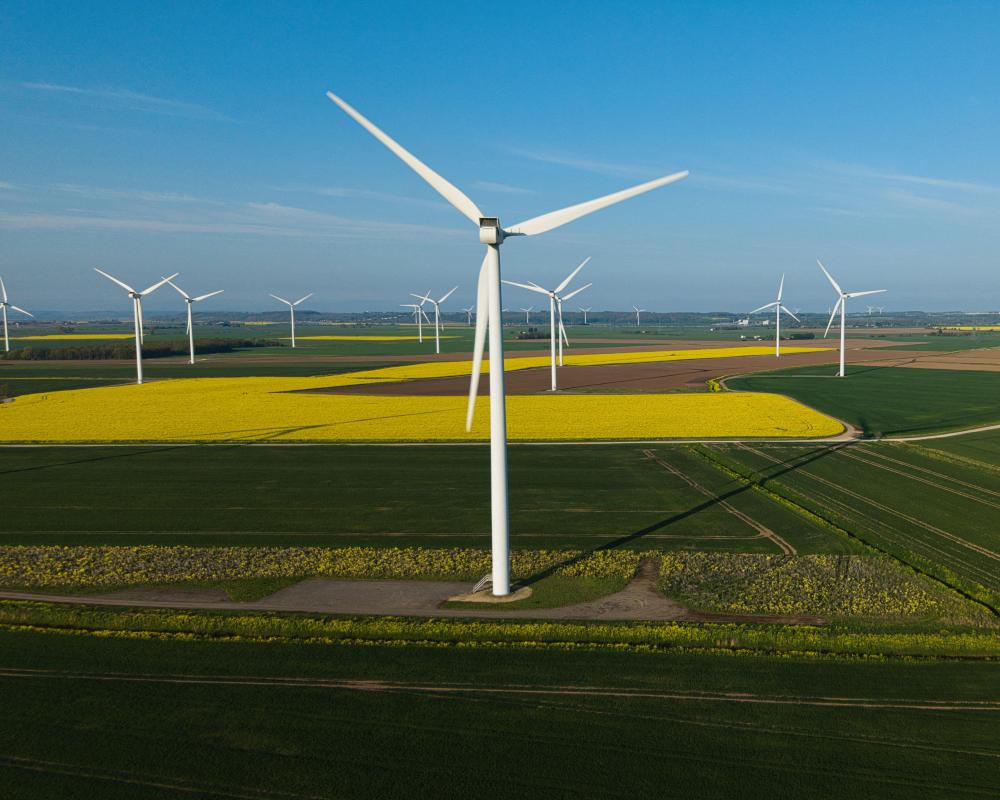
As the UK heads to the polls for the 2026 local elections, the national conversation has shifted from abstract climate targets to the tangible reality of household finances. While voters are understandably preoccupied with the soaring cost of living, a critical narrative is taking center stage: the undeniable link between our reliance on volatile fossil fuels and the size of our monthly energy bills.
For years, the climate debate was framed as a choice between “the environment” and “the economy.” In 2026, that binary has been shattered. Campaigners and energy experts are now arguing that the most effective way to address economic instability is to embrace a rapid transition to renewable energy. As voters prepare to cast their ballots for over 5,000 council seats, the question isn’t just who will manage local services, but who will steer the UK toward long-term energy security.
The Fossil Fuel Doom Loop: Why Your Bills Are Still High
The current energy crisis is not a temporary anomaly; it is a symptom of a systemic “fossil fuel doom loop.” With geopolitical tensions—ranging from ongoing conflict in the Middle East to broader global instability—continuing to disrupt supply chains, the UK remains tethered to the volatile prices of imported oil and gas.
Fatih Birol, head of the International Energy Agency, has been unequivocal: new oil and gas exploration will do little to lower energy prices for the average UK household. These resources are priced on a global market, meaning that even if we drill more in the North Sea, the benefits to the consumer are negligible compared to the long-term price stability offered by domestic renewables.
The Economic Case for Renewables
The transition to wind and solar is no longer just an environmental goal; it is a fiscal imperative. Unlike fossil fuels, which are subject to the whims of hostile regimes and global supply shocks, renewable energy generation provides a predictable, low-cost baseline.
Price Stability: Renewables are not subject to the same price spikes as gas.
Energy Independence: By generating power locally, the UK reduces its reliance on imported energy.
Economic Growth: Investment in green infrastructure creates local jobs and stimulates regional economies.
Political Battlegrounds: Where Parties Stand in 2026
The 2026 elections offer a stark contrast in ideologies. On one side, some political factions continue to advocate for a doubling down on fossil fuels, proposing a rollback of green initiatives and even suggesting punitive taxes on renewable energy generation. These parties often frame their stance as “pro-growth,” yet critics argue this approach ignores the economic realities of the 21st century.
Conversely, other parties are campaigning on a platform that links climate action directly to the cost of living. They argue that by investing in home insulation, retrofitting social housing, and expanding renewable capacity, councils can directly lower the energy burden on the most vulnerable households.
The Rise of Tactical Voting
With the political landscape becoming increasingly fragmented, the role of the voter has never been more powerful. Initiatives like VoteClimate have highlighted hundreds of “supermarginal” seats—areas where a few dozen votes could determine whether a candidate committed to climate action or one committed to the status quo takes office.
In regions like Hounslow, Croydon, and Oxford, the race is razor-thin. Voters in these areas are increasingly using their ballots to send a message: they want local representatives who prioritize energy efficiency, public transport, and the protection of green spaces.
Beyond Energy: The Localized Impact of Climate Policy
While energy prices are the primary driver of the current political discourse, voters are also looking at how climate policy affects their immediate quality of life. The “triple dividend” of nature-based solutions—avoiding losses from climate impacts, generating economic gains, and improving social well-being—is gaining traction at the municipal level.
Key Issues on the Doorstep
- Housing Quality: Poorly insulated homes are a major source of both high energy bills and health issues. Voters are demanding that councils prioritize the retrofitting of aging housing stock.
- Public Transport: Frequent, affordable, and green bus services are essential for reducing traffic congestion and improving air quality in urban centers.
- Water and Air Pollution: Concerns over the health of local rivers and the quality of city air have become major campaign issues, with voters demanding stricter enforcement against polluters.
- Food Security: In rural areas, the focus is on local procurement. Farmers are calling for councils to source at least 50% of food for schools and hospitals from local producers to support the rural economy and reduce food miles.
The 2026 Policy Context: A Year of Adjustment
The 2026 political landscape is shaped by the fallout from previous budget cycles. With the government’s 2025 budget announcement targeting a £134-per-year reduction in dual-fuel bills, voters are now assessing whether those promises have translated into real-world relief.
The sentiment on the ground is complex. While there is broad support for the idea* of green energy, there is also a “cost of going green” backlash in some quarters. This frustration is often misdirected at the technology itself rather than the lack of government support to help households transition. Successful candidates in 2026 will be those who can bridge this gap, demonstrating that climate action is a tool for liberation from poverty, not a luxury expense.
Conclusion: Why Your Vote Matters More Than Ever
The 2026 local elections are not just about filling council seats; they are a litmus test for the UK’s future direction. If the goal is to lower bills, restore natural habitats, and build a resilient economy, then the candidates we choose must be those who understand the urgency of the climate crisis.
The evidence is clear: the transition away from fossil fuels is the only viable path to long-term economic stability. By choosing representatives who prioritize renewable energy and sustainable local policies, voters have the power to turn the tide. The climate emergency is accelerating, and as we look toward the remainder of the decade, the decisions made at the local ballot box will ripple outward, influencing national policy and global ambitions.
Don’t let the narrative of “fossil fuel necessity” fool you. The solutions are here, they are cheaper, and they are ready to be implemented. The only missing ingredient is the political will—and that starts with you.