Hantavirus Crisis 2026: The Truth Behind the Deadly Cruise Ship Outbreak and Rising Argentine Cases

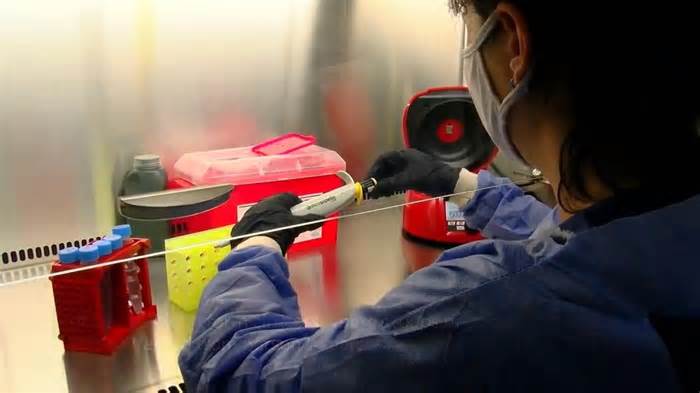
As of early 2026, a chilling health crisis has emerged, bridging the gap between remote wilderness outbreaks and international travel. The MV Hondius cruise ship, which departed from the scenic port of Ushuaia, Argentina, on March 20, has become the epicenter of a harrowing medical emergency. With three confirmed deaths and scores of passengers stranded in the Atlantic, the global health community is on high alert.
The culprit? Hantavirus, a rare but lethal zoonotic pathogen, primarily rodent-borne, that has been steadily rising in frequency across Argentina. This incident has reignited fears regarding how a virus typically associated with rural, dusty environments can transform into a transmissible threat in the confined, recirculated air of a luxury vessel.
Understanding the Hantavirus Surge in Argentina
Argentina has faced a concerning uptick in hantavirus infections over the last 18 months. Data from the 2025 epidemiological cycle revealed a sobering reality: out of 86 confirmed cases, 28 individuals lost their lives. This equates to a case fatality rate of 33.6%, a figure that highlights why health officials treat every suspected case with extreme gravity.
Hotspots and Transmission Patterns
The virus is primarily endemic to Argentina’s Central and Southern regions. Provinces such as Buenos Aires, Salta, Entre Ríos, Río Negro, and Jujuy have reported consistent activity. While historically, humans contracted the virus through inhalation of aerosolized particles from the urine, feces, or saliva of infected rodent reservoirs, the 2026 cruise ship incident suggests a more complex transmission dynamic.
Environmental Exposure: Most cases occur in rural areas where individuals disturb rodent nesting sites.
The Cluster Phenomenon: A unique, frightening characteristic of certain hantavirus strains in Argentina, particularly the Andes virus, is the potential for person-to-person transmission.
Closed Environments: The cruise ship, acting as a “closed-loop” ecosystem, provided the perfect conditions for the virus to spread beyond initial rodent contact, potentially through respiratory droplets in shared cabin spaces.
The MV Hondius Incident: A Global Health Investigation
The “Atlantic Odyssey” voyage was meant to be a dream vacation. Instead, it turned into a nightmare when passengers began exhibiting symptoms of severe Hantavirus Pulmonary Syndrome (HPS). The World Health Organization (WHO) is currently working alongside the Argentine Ministry of Health and other national authorities on a comprehensive disease outbreak investigation to trace the exact source of the outbreak.
Why Cruise Ships Are Vulnerable
Cruise ships are complex vessels with sophisticated HVAC systems. While these systems are designed to filter air, they can also facilitate the distribution of airborne pathogens if a source is introduced into the ventilation stream, underscoring the need for stringent infection control protocols.
- Patient Zero: Investigators are examining whether a passenger or crew member was exposed to the virus in the Ushuaia port area before boarding.
- The Incubation Window: Hantavirus symptoms, which include fever, muscle aches, and rapid respiratory failure, can take weeks to manifest, allowing infected individuals to board and unknowingly spread the pathogen.
- International Cooperation: Because the ship is stranded off the coast of West Africa with 150 people—including 17 Americans—the National IHR Focal Point of Argentina has shared passenger manifests with global health agencies to facilitate contact tracing.
Clinical Insights: What Makes Hantavirus So Lethal?
Hantavirus is not a typical flu. It targets the blood vessels and the lungs, leading to a condition known as HPS. In this state, the body’s immune response becomes a double-edged sword, causing fluid to flood the lungs, leading to severe pulmonary edema and preventing the patient from oxygenating their blood.
Key Symptoms to Monitor
Early Phase: Fever, fatigue, and muscle aches (often mistaken for influenza).
Late Phase: Shortness of breath, coughing, and low blood pressure.
Critical Window: If not hospitalized in an ICU setting, the progression from mild symptoms to respiratory failure can occur in mere hours.
Preventive Measures and Future Outlook
While there are currently no specific antiviral therapies for hantavirus, early supportive care, including oxygen therapy and mechanical ventilation, significantly improves survival rates. As we look toward the remainder of 2026, with this incident declared a significant public health emergency, the focus must shift toward vector control and public awareness.
Strategies for Mitigation
Rodent Control in Ports: Cruise lines must implement rigorous sanitation protocols in ports like Ushuaia to ensure that rodents do not enter the ship’s supply chain or passenger areas.
Passenger Screening: While hantavirus is not usually transmitted via casual contact, the potential for human-to-human transmission in cluster environments mandates stricter pre-boarding health assessments.
- Public Awareness: Residents in affected Argentine provinces should seal homes against rodents and use wet-cleaning methods (rather than sweeping) to avoid aerosolizing dust that may contain the virus.
Conclusion: Lessons from the Atlantic
The tragedy aboard the MV Hondius serves as a stark reminder of our interconnected world. A pathogen that once seemed confined to the rural scrublands of Argentina can now travel across oceans, highlighting the need for robust, global disease surveillance and timely travel health advisories.
As the investigation continues, the priority remains the safety of those stranded and the containment of the virus. By understanding the unique transmission patterns of this specific hantavirus strain and enforcing strict environmental controls, the international community can hope to prevent a repeat of this maritime catastrophe. Stay informed, practice caution in rodent-prone areas, and follow the guidance of local health authorities as this situation develops.