Derry Sectarian Unrest: 14-Year-Old Arrested as Families Flee Fireworks and Petrol Bombs

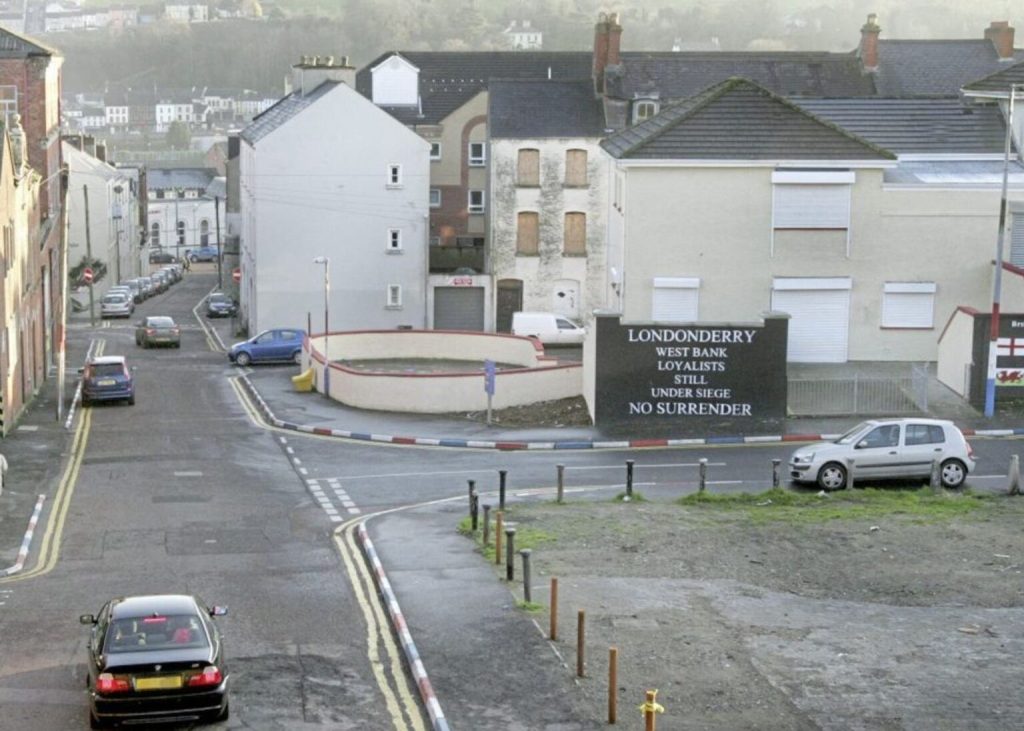
The cycle of violence in Derry (Londonderry) has reached a distressing new low in 2026, as local authorities confirm the arrest of a 14-year-old boy following a series of sectarian attacks targeting the Fountain housing estate. This latest incident, marked by the use of fireworks and petrol bombs, has left residents terrified and local leaders calling for an immediate end to the disorder that is scarring the city’s historic interface areas.
As police continue their investigations, the human cost of these clashes is becoming increasingly clear. For families living in the shadow of the Derry Walls, the fear of violence has transitioned from a sporadic threat to a grim, daily reality that is profoundly affecting the mental health and safety of their children.
A Mother’s Desperate Plea for Safety
The most harrowing accounts of the recent disorder come from the parents living on the frontlines of the interface. During the latest wave of attacks, a local mother was forced to sprint toward her young children—who were playing outside—as fireworks were launched into the estate.
Witnesses described a scene of chaos as projectiles bounced off residential properties. The mother, acting on instinct, managed to corral over a dozen children into her living room to shield them from the assault. Among those seeking refuge was a young girl with autism, left visibly shaken by the indiscriminate nature of the attack.
“The children are now questioning why their homes are being targeted,” says UUP councillor Darren Guy. “When you have young kids asking their parents about the safety of their own living room, you know the situation has reached a critical, unsustainable level.”
The Anatomy of the Disorder: Why the Fountain?
The Fountain estate, a small unionist enclave nestled near the city center, is uniquely vulnerable due to its geography. Physically separated from the neighboring nationalist areas of Bishop Street and the Bogside by high peace walls and security fencing, it remains a focal point for sectarian tension in Northern Ireland.
Tactical Escalation
Authorities have noted a worrying shift in the tactics employed by those behind the disorder. What began as stone-throwing has escalated into the use of:
Petrol bombs: Employed against police officers attempting to maintain order.
Fireworks: Utilized as makeshift projectiles launched via tubes over the peace walls.
- Targeted harassment: The deliberate selection of residential areas where elderly residents and young families reside.
Councillor Guy suggests that the attacks on the Fountain are often a calculated move to draw police into a confrontation. By creating a flashpoint at the interface, the perpetrators force a heavy police presence, which is then met with aggression, effectively using the residents of the Fountain as a backdrop for a wider conflict with the authorities.
Political Condemnation and the Search for Solutions
The political response to the 2026 unrest has been one of universal condemnation. Colum Eastwood, the MP for Foyle, has described the ongoing cycle of violence as “depressing, deeply disappointing, and, at its heart, sectarian.”
Despite the rhetoric from Stormont and local representatives, the sectarian divide remains a significant hurdle. Leaders from both the DUP and Sinn Féin have made repeated calls for calm, yet the reality on the ground—particularly around Nailor’s Row—suggests that these appeals are failing to reach the youth involved in the violence.
The Impact on Community Cohesion
The psychological impact on the Fountain community is profound. Many residents, particularly the elderly who have spent their lives in the area, feel trapped. They are unable to simply relocate, yet they are forced to live in a state of constant vigilance. The reluctance of some residents to speak—even anonymously—to the press highlights a climate of fear that has taken root.
Policing the Interface: A Difficult Challenge
Chief Superintendent Gillian Kearney, the Derry City & Strabane Area Commander, has reaffirmed the police service’s commitment to holding those responsible accountable. The arrest of a 13-year-old on Tuesday, followed by the arrest of a 14-year-old on Wednesday, demonstrates that the PSNI is utilizing CCTV and forensic evidence to identify participants.
However, policing an interface is inherently difficult. The narrow, steep streets of Nailor’s Row provide an ideal environment for those looking to engage in hit-and-run tactics against both the police and the Fountain residents. The police are now facing the difficult task of balancing the need for public order with the long-term goal of de-escalating tensions without further inflaming the situation.
Looking Beyond the Headlines: The Root Causes
The recurring nature of these attacks in 2026 suggests that the underlying issues of sectarianism in Derry have not been resolved. While the immediate focus is on the arrests of local youths, experts suggest that a multi-faceted approach is required to prevent further escalation:
- Youth Engagement: Investing in cross-community programs that challenge sectarian narratives before they manifest as violence.
- Structural Security: Reviewing the effectiveness of current peace walls and fencing to better protect vulnerable homes.
- Community Policing: Building trust between the police and the residents of both the Fountain and the Bogside to ensure that the minority of agitators cannot hold the community hostage.
A Future in Doubt
As the city of Derry looks toward the future, the images of children being rushed to safety from fireworks-filled streets serve as a stark reminder of the work that remains. The normalization of this violence is perhaps the most dangerous trend of all. When an entire generation grows up viewing sectarian conflict as “part of daily living,” the path toward lasting peace becomes significantly steeper.
The authorities will continue their investigations, and more arrests are expected in the coming weeks. Yet, for the families in the Fountain, the true measure of success will not be found in police reports or court dates, but in the quiet, peaceful nights that they currently feel are being stolen from them.