Unsealed: The Purported Jeffrey Epstein Suicide Note Finally Revealed

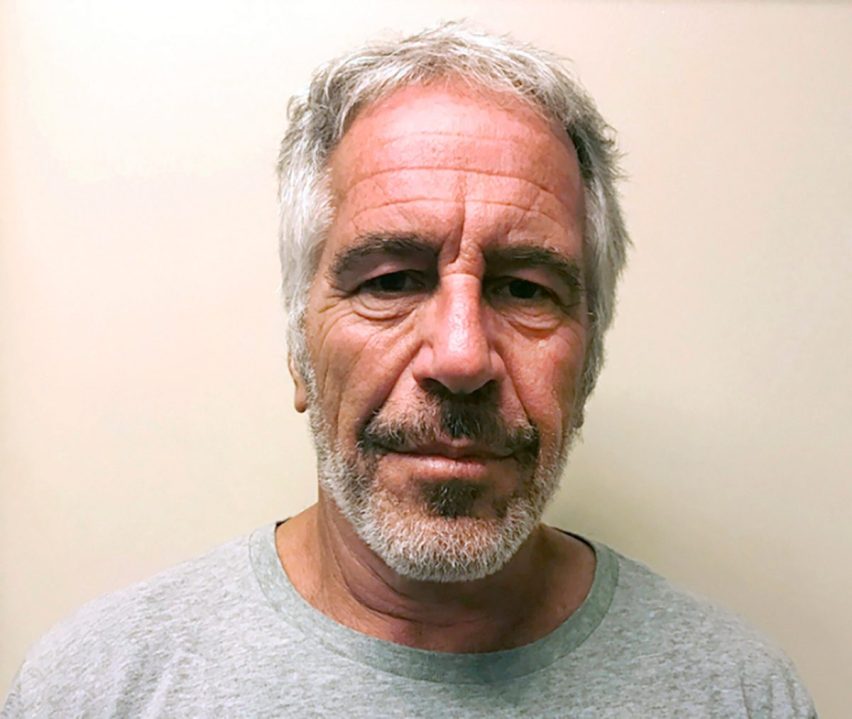
The mystery surrounding the death of billionaire financier Jeffrey Epstein has remained one of the most polarizing and scrutinized chapters in modern American judicial history. Even years after his 2019 death at the Metropolitan Correctional Center (MCC) in Manhattan, the public’s appetite for clarity has not waned. In a significant development for 2026, a federal judge in New York has officially unsealed a document that has been shrouded in secrecy for half a decade: a handwritten note purportedly penned by Epstein himself.
While this document offers a rare, intimate, and chilling glimpse into the final mindset of one of the world’s most infamous accused sex traffickers, it also brings with it a storm of skepticism. Found by a former cellmate and kept under lock and key as part of a separate criminal proceeding, the note is now public—but whether it provides definitive answers or simply adds another layer of intrigue remains a point of intense debate.
The Origin Story: How the Note Surfaced
The journey of this note to the public eye is as unconventional as the case surrounding Epstein’s life. The document was not discovered by prison authorities during their initial sweep of the cell, nor was it recovered as part of an official suicide investigation. Instead, it surfaced through the testimony of Nicholas Tartaglione, a former police officer who was Epstein’s cellmate at the MCC during the summer of 2019.
The Connection to Nicholas Tartaglione
Tartaglione, who is currently serving a life sentence for his involvement in a quadruple homicide, claimed to have discovered the handwritten note tucked inside a graphic novel. According to his account, this discovery occurred shortly after Epstein was removed from their shared cell following an initial suicide attempt in July 2019—weeks before his eventual death on August 10.
For years, the note remained sealed as a piece of evidence in the criminal case against Tartaglione. It wasn’t until the former officer spoke about the existence of the note on a podcast in 2025 that public interest reached a fever pitch. Following a formal petition by The New York Times, U.S. District Judge Kenneth Karas in White Plains, New York, ordered the unsealing of the document, bringing a five-year-long shroud of secrecy to an end.
Analyzing the Content: What Did the Note Say?
The contents of the note are brief, cryptic, and deeply cynical. While the document is neither signed nor dated, the handwriting has been the subject of intense scrutiny by those attempting to verify its authenticity. The text reflects a man who felt both cornered and defiant.
Key Excerpts from the Document:
“They investigated me for months — found nothing!!!”: This line echoes the bravado often displayed by high-profile defendants who feel the system is unfairly targeting them.
“It is a treat to be able to choose one’s time to say goodbye.”: This chilling admission suggests a preoccupation with control—a recurring theme in the life of a man who built an empire on influence and manipulation.
“Watcha want me to do — bust out cryin!!”: This snippet points toward a disdain for the judicial process and perhaps a lack of remorse for the charges he faced.
“NO FUN — NOT WORTH IT!!”: The final, abrupt closing of the note underscores a sense of nihilism that many psychological experts associate with high-risk individuals in custody.
The Question of Authenticity
The most important caveat regarding this release is that the note remains unverified. While it was placed on the court docket, no official agency has definitively authenticated the handwriting as belonging to Jeffrey Epstein. In the era of digital forensics and deep-seated conspiracy theories, the lack of a clear, expert-backed authentication process leaves the door wide open for interpretation.
Why Verification Matters
In the legal and forensic world, a piece of evidence is only as strong as its chain of custody. Because the note was held by Tartaglione—a convicted murderer with his own legal agenda—critics have raised concerns about the possibility of fabrication. Did Epstein write it? Or is it a psychological projection from a cellmate who spent time in the company of a man accused of heinous crimes? Without a handwriting expert’s public confirmation, the document serves as a “purported” piece of history rather than a smoking gun.
The Context of 2019: A System Under Fire
To understand why this note is so significant, one must look back at the chaotic environment of the Metropolitan Correctional Center in 2019. Epstein’s death was officially ruled a suicide by the medical examiner, yet the circumstances—including malfunctioning cameras, overlooked protocols, and the fact that he was taken off suicide watch—fueled years of speculation.
The release of this note adds a new dimension to that narrative. If the note is authentic, it suggests that Epstein had been contemplating suicide for weeks, perhaps even months, prior to his death. It also suggests that the “suicide watch” protocols were failing to address the mental state of the inmate in a way that could have prevented the tragedy.
The Legal Implications and Public Reaction
The unsealing of the note is a victory for transparency advocates, but it is unlikely to satisfy those who believe the full truth about Epstein’s network and his death remains hidden.
Transparency vs. Privacy
The legal battle led by The New York Times highlights the tension between the public’s right to know and the sanctity of sealed court records. Judge Karas’s decision to release the documents reflects a growing trend in the judiciary to prioritize public interest when dealing with cases of extreme historical and social significance.
Why the Public Still Cares
The Epstein case is not just about one man; it is about the broader network of elite power, influence, and the systemic failures that allowed his alleged crimes to persist for decades. Every new piece of information, no matter how small or unverified, is treated as a potential key to unlocking a larger, more uncomfortable truth.
Conclusion: A Piece of the Puzzle, Not the Whole Picture
The release of this purported suicide note is a milestone, but it is not the conclusion of the Epstein saga. While the words on the paper offer a grim reflection of a man facing the collapse of his world, they do not resolve the deeper questions about his life, his associates, or the security failures that led to his death.
As we move forward in 2026, the focus will likely shift from the note itself to the surrounding circumstances of its discovery. Was it truly a suicide note, or a symptom of the high-stakes, high-pressure environment of the MCC? Until more definitive evidence emerges, the note remains a haunting, if incomplete, artifact of one of the most controversial figures of the 21st century.
If You Need Help
The release of such documents can be a difficult reminder of the prevalence of mental health struggles. If you or someone you know is feeling overwhelmed, please remember that help is available. You can contact the Suicide and Crisis Lifeline by calling or texting 988 at any time. You are not alone, and there is support available to navigate even the darkest of times.