Election Night 2026: The High-Stakes Battle for the Soul of British Politics

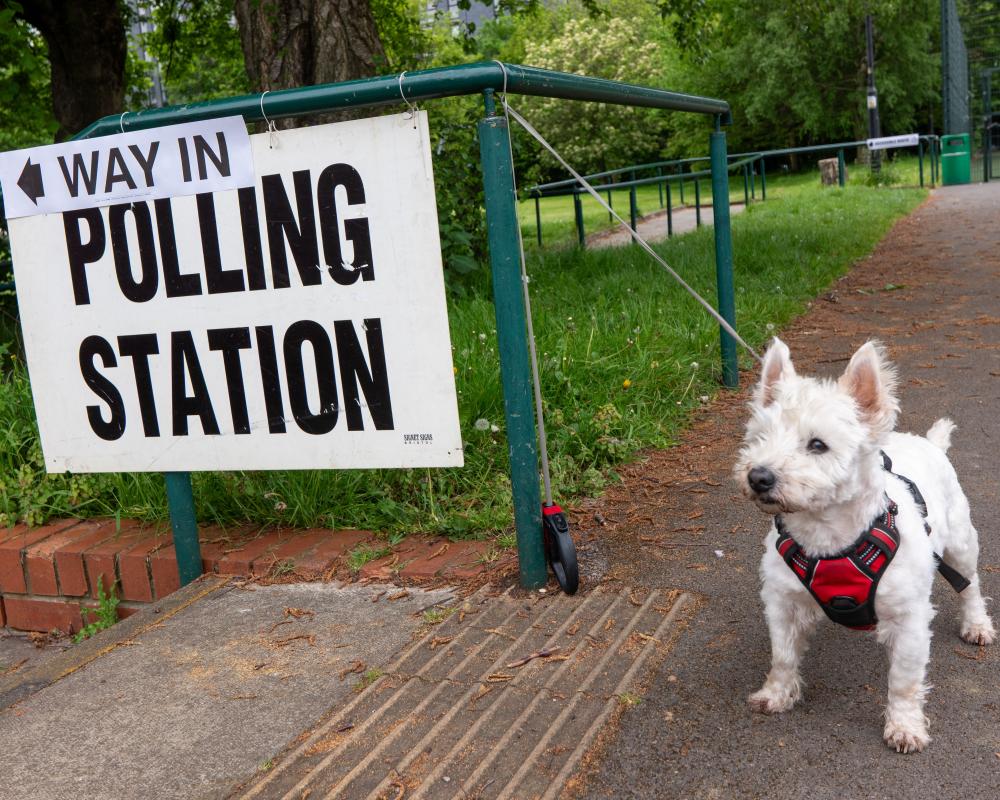
As the clock struck 10:00 PM across the United Kingdom, the shutters came down on polling stations from the Scottish Highlands to the bustling boroughs of London. The 2026 local, mayoral, and parliamentary elections have officially concluded, marking the most significant electoral test for Prime Minister Keir Starmer since his 2024 general election victory. With over 30 million voters eligible to cast their ballots, the results set to emerge over the coming hours are expected to redraw the political map of England, Scotland, and Wales.
This is not merely a series of routine council votes. It is a fundamental stress test for the current government, a referendum on the “red wall,” and a battleground for insurgent parties. As counting begins, the political establishment is bracing for a potential seismic shift that could influence Westminster for years to come.
The Scope of the 2026 Elections
The sheer scale of this electoral cycle is staggering. In England alone, 136 local councils are in play, with over 5,000 seats up for grabs. This includes the entirety of London’s 32 borough councils, along with various unitary, county, and district authorities.
Beyond England, the stakes are equally high in the devolved nations. Scotland and Wales are seeing critical parliamentary contests that will determine the composition of Holyrood and the Senedd. For millions of voters, this was an opportunity to register their dissatisfaction or support for both local governance and national strategy.
Key Battlegrounds to Watch
London Boroughs: With every seat in the capital’s 32 boroughs being contested, the results here will provide an early indicator of the shift in urban voter sentiment.
The “Red Wall”: Labour’s traditional heartlands in the north-east, Midlands, and north-west are facing intense pressure from Reform UK.
Scottish Parliament: The SNP is aiming for a fifth consecutive term, but the threat from a surging Reform party and a resurgent Labour presence makes this one of the tightest races in decades.
Welsh Senedd: Under a new proportional representation system, the landscape of Welsh politics is poised for a potential historic realignment.
The “Multiparty Battle” and the Rise of Insurgents
For the first time in modern British history, we are witnessing a truly competitive multiparty environment. While the Conservatives and Labour remain the two traditional heavyweights, their dominance is being eroded from both the left and the right.
The Green Surge
The Green Party has moved beyond its traditional environmental niche, positioning itself as a viable alternative in urban centers. With high-profile campaigns in cities like Manchester, Leeds, and across London, the Greens are looking to capitalize on disillusionment with the status quo. Their confidence in flipping Labour-run councils like Lambeth and Islington suggests a sophisticated, localized strategy that is paying dividends.
The Reform UK Factor
Reform UK has emerged as a disruptive force, particularly in areas that feel “left behind.” By focusing on the “red wall” and traditional Tory enclaves, they have effectively squeezed both major parties from the right. Their performance in this election will determine whether they are a temporary protest movement or a permanent fixture in the UK’s legislative landscape.
The Liberal Democrat Strategy
While the media focus has been on the insurgent parties, the Liberal Democrats have been quietly building a “yellow wall” of their own. By focusing on local issues and leveraging their reputation for effective constituency work, the Lib Dems are eyeing a historic eighth consecutive set of gains in local council representation. Their potential to become the biggest party in English local government cannot be overlooked.
What to Expect: The Results Timeline
The counting process is a logistical marathon. With the first results expected shortly after midnight, the overnight cycle will provide the initial narrative of the night.
12:30 AM – 3:00 AM: The first wave of results will begin to trickle in, offering a glimpse of the early trends.
7:00 AM Friday: Roughly one-third of councils will have declared, giving us a clearer picture of the national swing.
Lunchtime Friday: This is the “big reveal” moment. Mayoral results in major cities like Manchester and Leeds will indicate how metropolitan areas are reacting to the government’s performance.
Saturday Afternoon: The final holdouts, including Croydon and Tower Hamlets, will bring the curtain down on the 2026 election cycle.
Labour’s “Make-or-Break” Moment
Prime Minister Keir Starmer faces an uphill battle. Labour strategists have been publicly tempering expectations, acknowledging the possibility of record-breaking losses. Some projections suggest the party could lose up to 75% of the seats it is currently defending.
The challenge is two-fold: holding off the Green surge in affluent, progressive boroughs while simultaneously preventing the “red wall” from turning toward Reform UK. If Labour loses control of key cities like Manchester or sees its vote share collapse in London, the pressure on Starmer’s leadership will intensify immediately.
The Devolved Nations: A New Era
In Scotland, the SNP’s dominance is facing its toughest test in two decades. While polling suggests they remain in the lead, the lack of a clear majority path makes the prospect of a coalition or a minority government highly probable.
Meanwhile, Wales is undergoing an electoral transformation. The introduction of the new proportional voting system has effectively ended the era of comfortable majorities. With Welsh Labour, Plaid Cymru, and Reform UK in a tight three-way race, the Senedd is set to become a theater of complex negotiations and shifting alliances.
Analysis: Why This Matters
The 2026 elections are a barometer for the health of the UK’s democratic institutions. The decline of the two-party system is no longer a theory; it is a reality reflected on ballot papers across the country. Voters are increasingly prioritizing local accountability and specific policy outcomes over national party brands.
For the incumbent government, the takeaway is clear: the post-2024 honeymoon is officially over. The electorate is signaling a desire for change, whether that manifests as a move toward the Greens’ progressive policies or Reform UK’s populist platform.
Key Questions for the Next 48 Hours
- Will the “Red Wall” hold? The ability of Labour to retain its working-class base will define the success of Starmer’s premiership.
- Is the Lib Dem resurgence sustainable? Their ability to flip Conservative heartlands will prove if they are the primary beneficiary of Tory decline.
- Does the Green surge translate to power? Winning one or two seats is a protest; winning a council is a mandate.
- Will the Scottish and Welsh governments remain stable? The ability to form functioning administrations will determine the immediate future of devolution.
Conclusion
As the results begin to pour in, the UK stands at a political crossroads. The 2026 elections represent more than just a change in councilors or Senedd members; they represent a fundamental shift in how the British public engages with political power.
The next few days will be characterized by intense political maneuvering, high-stakes analysis, and, for many, the harsh reality of electoral defeat. Whether this leads to a recalibration of government policy or a deeper fracturing of the political landscape remains to be seen. One thing is certain: the results of this election will resonate far beyond the town halls and parliamentary chambers, shaping the trajectory of the nation for the remainder of the decade.