Justice for the People’s Priest: Why the Death of Fr. Paddy O’Kane Was Found “Preventable” by Coroner

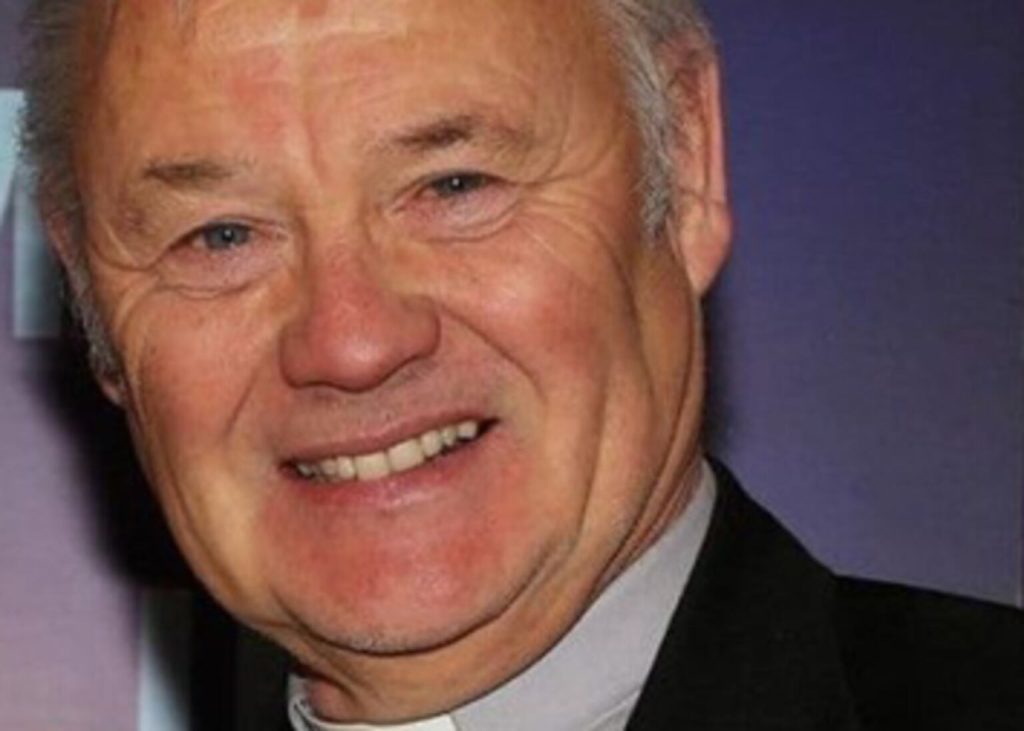
The passing of a spiritual leader often leaves a void in a community, but the death of Fr. Patrick “Paddy” O’Kane left a wound that has struggled to heal for over four years. In May 2026, a landmark coroner’s finding finally brought a sense of somber clarity to a tragedy that shocked the North West of Ireland. Coroner Maria Dougan ruled that the death of the beloved Derry priest, who took his own life in the garden of a mental health hospital in March 2022, was entirely preventable.
This finding has sent shockwaves through the Western Health and Social Care Trust and the wider Northern Irish healthcare system. It highlights a series of “material deficiencies” in risk management that allowed a vulnerable man, known for carrying the burdens of his community, to fall through the cracks of the very system designed to protect him.
The Legacy of the “People’s Priest”
Fr. Paddy O’Kane was more than just a clergyman; he was a pillar of resilience for the people of Derry and beyond. Serving for many years at the Holy Family parish in Ballymagroarty, he earned the title of the “people’s priest” through his unwavering dedication to his parishioners.
He was perhaps most widely recognized for his role during one of Ireland’s darkest hours: the 2016 Buncrana pier tragedy. Fr. O’Kane officiated the funeral service for five members of the same family—Sean McGrotty, his sons Mark and Evan, Ruth Daniels, and her daughter Jodie Lee. His deeply felt homily at that service provided a crumb of comfort to a grieving nation, but as the inquest later revealed, the emotional weight of such tragedies took a significant toll on his own mental health.
A Long Battle with the “Black Dog”
Despite his outward strength, Fr. O’Kane suffered from recurrent depressive disorder. His depression was described as chronic at times, exacerbated by the heavy “pastoral burden” he carried. The inquest heard how he often “took on many people’s problems,” absorbing the trauma of his community while dealing with personal losses, including the death of his father, Dominic, in 2016.
By late February 2022, his mental health had deteriorated to a critical point. Following a previous self-harm incident, he was moved between several facilities—Altnagelvin Hospital and the Tyrone and Fermanagh Hospital—before eventually being admitted to Waterside Hospital in Derry. It was here, in a facility meant to provide a sanctuary for the suffering, that the systemic failures occurred.
The Fatal Morning at Waterside Hospital
On the morning of March 28, 2022, Fr. O’Kane was found dead in the garden of the mental health ward at Waterside Hospital. He was 74 years old. While the hospital staff maintained he was under “general observation” and checked every hour, the environment itself contained the tools for his demise.
The Findings of Coroner Maria Dougan
In her exhaustive findings delivered in 2026, Coroner Maria Dougan was unequivocal. She stated that on the balance of probabilities, the death was preventable. The inquest identified several “serious and material deficiencies” in how the hospital managed Fr. O’Kane’s safety:
- Access to Materials: Despite being a high-risk patient, Fr. O’Kane had access to a rope used to bind wood and a free-standing chair, both of which were left in the hospital garden.
- Lack of Ligature Risk Assessment: The coroner highlighted the absence of a comprehensive ligature risk assessment. While the Trust had conducted a health and safety audit the previous summer, it had inexplicably excluded the garden from its scope.
- Inadequate Medical Records: Fr. O’Kane’s clinical history, specifically regarding his high risk of self-harm via ligature, was not adequately updated in his records. This meant that the staff on duty did not fully appreciate the level of danger he posed to himself.
Analysis: Why the System Failed Fr. O’Kane
The death of Fr. Paddy O’Kane is a case study in the importance of environmental safety in psychiatric care. In a mental health ward, the physical environment is just as critical as the pharmacological or therapeutic treatment.
The “Garden Gap” in Safety Audits
The most glaring error identified was the failure to audit the garden for risks. Hospitals often focus on indoor “anti-ligature” fixtures—such as breakaway curtain rails and specialized door handles—but outdoor spaces can be overlooked. The presence of “rope used to bind wood” in a garden accessible to mental health patients is a breach of basic safety protocols.
The Communication Breakdown
Fr. O’Kane’s family had requested a transfer to a private mental health facility in Dublin, believing a change of environment might help. While the coroner found the Trust acted “expeditiously” on the request, she noted that poor communication with the priest himself exacerbated his anxiety. He felt “stuck,” and the perceived delay in his transfer may have contributed to his final, desperate decision.
The Trust’s Response: A 31-Point Action Plan
Following the tragic events and the subsequent investigation, the Western Health and Social Care Trust issued a formal apology to the O’Kane family. They acknowledged the failings in their care and implemented a 31-point action plan designed to ensure such a tragedy never happens again.
Key improvements in the plan include:
Rigorous Garden Audits: All outdoor spaces in mental health facilities are now subject to the same anti-ligature standards as indoor wards.
Enhanced Record Keeping: Digital systems have been updated to ensure that “high-risk” alerts are prominent and updated in real-time.
Staff Training: Increased focus on identifying “environmental hazards” that might not be obvious at first glance.
The Psychological Toll on Clergy
One of the most poignant aspects of this case, highlighted by the coroner, is the unique pressure placed on those in religious life. Fr. O’Kane spent his life caring for others, but who was caring for him?
The inquest served as a reminder that pastoral care for the pastor is essential. Members of the clergy are often exposed to secondary traumatic stress. They witness the worst moments of human existence—death, poverty, and grief—and are expected to remain a “rock” for their congregation. The “people’s priest” was human, and his struggle with depression was a heavy cross that the system failed to help him carry.
A Legacy of Reform
Fr. Paddy O’Kane’s niece, Catherine Duffy, and the rest of his family have been vocal in their search for answers. For them, the 2026 findings provide a bittersweet form of justice. While the ruling cannot bring him back, it serves as a legal acknowledgment that he should still be here.
The “preventable” nature of his death has become a catalyst for change in Northern Ireland’s mental health landscape. It has forced a conversation about the adequacy of funding, the rigors of safety audits, and the need for a more holistic approach to patient safety.
Key Takeaways from the Inquest:
Environmental hazards in hospitals are a leading cause of preventable deaths.
Patient history must be integrated into daily care plans, not just filed away.
Clergy and caregivers need specialized mental health support to deal with the unique traumas of their roles.
Conclusion: Remembering Fr. Paddy
As we look back from the vantage point of 2026, Fr. Paddy O’Kane is remembered not just for the tragic circumstances of his death, but for the light he brought to Derry. He was a man of deep compassion who was ultimately failed by a system that lacked the same level of care he gave to his parishioners.
The coroner’s findings ensure that his death was not in vain. By identifying the “material deficiencies” at Waterside Hospital, the inquest has paved the way for safer mental health facilities across the region. Fr. Paddy’s life was defined by service; his legacy may now be defined by the lives saved through the reforms triggered by his passing.
In the words of the coroner, those who dedicate themselves to supporting others deserve “understanding and pastoral care themselves.” It is a lesson the healthcare system must never forget again.