Hantavirus Outbreak on MV Hondius: What You Need to Know About the Global Monitoring Effort

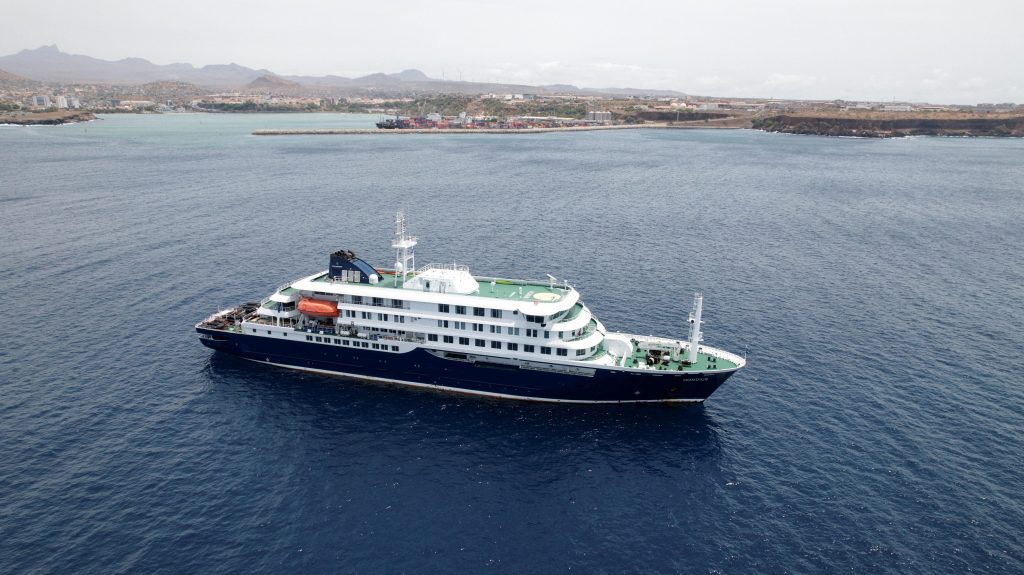
In May 2026, the global health community turned its attention to the Atlantic Ocean as a rare and concerning hantavirus outbreak was identified aboard the cruise ship MV Hondius. Operated by the Netherlands-based Oceanwide Expeditions, the vessel became the epicenter of a multi-national public health response after an unusual cluster of respiratory illnesses led to three tragic deaths.
While the World Health Organization (WHO) has been quick to clarify that this is not the precursor to a new pandemic, the situation has triggered a massive, coordinated effort to track and monitor passengers who have dispersed to various countries, including the United States. Here is an in-depth look at the current situation, the nature of the virus, and what health authorities are doing to contain the risk.
Understanding the MV Hondius Hantavirus Situation
The outbreak was linked to the Andes virus, a specific, dangerous strain of hantavirus that is known for its potential for human-to-human transmission—a characteristic that sets it apart from many other hantavirus variants typically spread solely through rodent-to-human contact.
The vessel, which had been traversing remote regions including Antarctica and various South Atlantic islands, became a focal point when passengers began exhibiting symptoms consistent with severe viral infection. As of mid-May 2026, eight individuals have been linked to the outbreak, with three confirmed fatalities. The rapid identification of the strain allowed the WHO and international health agencies to pivot quickly to active surveillance protocols.
The US Response: Monitoring Returning Passengers
With global travel patterns, passengers from the MV Hondius returned to their home countries before the full scale of the outbreak was understood. Consequently, the Centers for Disease Control and Prevention (CDC) and the U.S. State Department have spearheaded a unified effort to locate and monitor American citizens who were aboard the ship.
State-Level Oversight
Health departments across the United States are currently in contact with residents who were passengers. As of the latest reports, individuals in states including Virginia, Texas, Georgia, Arizona, and California are under active monitoring.
Safety Protocols: Officials have confirmed that none of the monitored individuals have exhibited symptoms of the Andes virus thus far.
Proactive Care: Passengers are being asked to monitor themselves for 45 days—the typical incubation window—and report any signs of fever or respiratory distress immediately.
Low Risk: The CDC has emphasized that the risk to the general American public remains “extremely low,” as the transmission requires close, often physical, contact.
What is the Andes Virus?
Hantaviruses are a family of viruses generally carried by rodents. Infection in humans occurs when an individual breathes in aerosolized particles of infected rodent urine, feces, or saliva. However, the Andes virus is distinct.
Key Characteristics of the Andes Strain
- Human-to-Human Transmission: Unlike most hantaviruses, the Andes strain has documented cases of transmission between humans, usually involving close physical contact or caregiving.
- Symptoms: The illness typically presents with flu-like symptoms, including high fever, muscle aches, and chills. As it progresses, it can lead to severe respiratory distress, which is the primary cause of mortality in these cases.
- Incubation Period: Symptoms generally appear within two to three weeks, though it is standard practice for health officials to extend monitoring windows to ensure safety.
Life Onboard: Current Status of the MV Hondius
As the ship navigates toward the Canary Islands, the atmosphere on board is one of caution and professional management. The cruise operator, Oceanwide Expeditions, has implemented strict infection control measures.
Isolation and Hygiene: Passengers have been instructed to remain in their cabins to prevent further spread. Cabins have undergone rigorous disinfection protocols.
Medical Support: Specialized medical teams have boarded the vessel to provide care for those who remain on board.
Passenger Morale: Despite the challenging circumstances, reports indicate that morale has remained steady. Passengers have access to meal deliveries and limited time on outer decks, and they are receiving regular, transparent updates from authorities.
Why This Is Not Another Pandemic
It is crucial to distinguish this event from the global crises of the past. WHO officials, including Maria Van Kerkhove, have explicitly stated that this outbreak is not the start of a pandemic. The nature of the Andes virus transmission—requiring close, sustained contact—makes it significantly less contagious than respiratory viruses like influenza or SARS-CoV-2.
The international response, which involves tracking a relatively small number of passengers, demonstrates the efficacy of modern global health surveillance. By identifying the source (likely linked to the initial infection of a couple during a land-based bird-watching trip in South America) and isolating the cluster, public health agencies are preventing the virus from gaining a foothold in the general population.
Preventive Measures and Future Outlook
This incident serves as a stark reminder of the importance of investment in pathogen research, diagnostics, and vaccine development. While hantavirus is rare, the ability to rapidly identify and contain such outbreaks is vital for international security.
For travelers, the incident highlights the necessity of staying informed about health risks in remote regions. If you have recently traveled or are planning to, always follow the guidance of local health authorities and the CDC. Frequent hand hygiene and maintaining distance from wild animal habitats remain the best defenses against rodent-borne diseases.
Frequently Asked Questions (FAQ)
Is it safe to travel on cruise ships?
Yes. This incident is an isolated event linked to a specific, rare virus. Cruise lines operate under strict health and safety guidelines that are continuously updated based on international health standards.
What should I do if I am worried about hantavirus?
Unless you have had direct contact with rodents or close, sustained contact with someone confirmed to have a hantavirus infection, your risk is virtually zero. If you develop unexplained, severe respiratory symptoms after traveling to remote areas, seek medical attention and inform your doctor of your travel history.
Will the monitoring of passengers continue?
Yes. Health agencies will continue to monitor those who were on the ship until the 45-day window has passed for all individuals, ensuring that any potential cases are caught early and treated effectively.
Conclusion
The situation aboard the MV Hondius is being managed with professional precision. While the loss of life is deeply unfortunate, the swift actions of the CDC, the WHO, and international health authorities have ensured that the risk to the broader public is contained. As we move through 2026, this event underscores the vital importance of global cooperation in the face of emerging biological threats. By staying informed and following official health protocols, the global community remains resilient against such localized outbreaks.