Energy Crisis 2026: Is a VAT Cut on Bills the Solution to Soaring Costs?

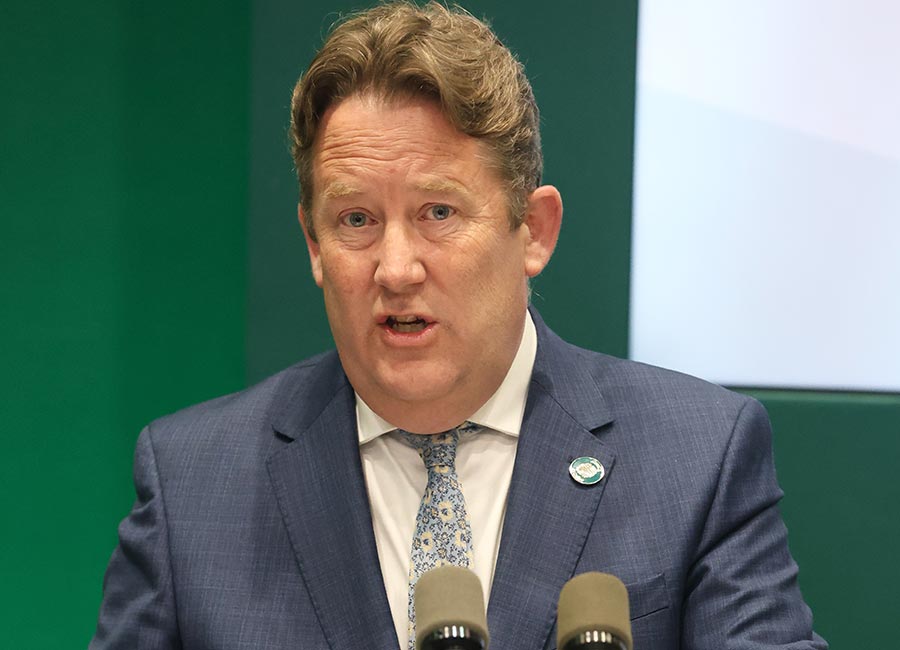
As we navigate through 2026, the cost-of-living crisis remains the single most pressing issue for households across Ireland and the UK. With energy prices reaching record highs, many families are finding it increasingly difficult to keep up with monthly utility payments. In response, government officials are urgently debating whether a VAT cut on energy bills could provide the necessary relief.
While the prospect of reduced tax on gas and electricity sounds like a straightforward win for the consumer, the economic reality is far more complex. From EU regulatory hurdles to the long-term impact on national infrastructure, this article breaks down exactly what is on the table, why prices are soaring, and what the future holds for your monthly bills.
The State of Energy Costs in 2026: Why Are Bills So High?
Recent data from Eurostat paints a concerning picture. Ireland currently sits at the top of the list for the highest energy prices within the European Union, with costs nearly 40% above the EU average. For the average Irish household, this translates to an additional €480 per year compared to our European counterparts.
The surge is not merely a seasonal fluctuation. Between July and December 2025, electricity prices climbed by a staggering 32.7% compared to the same period in 2024. This rapid escalation has pushed the National Energy Affordability Taskforce into overdrive, as they scramble to find short-term measures to mitigate the burden on families.
The VAT Debate: Could a Tax Cut Really Save You Money?
The core proposal being discussed by Cabinet ministers involves reducing or removing the Value Added Tax (VAT) currently applied to domestic energy bills. In the UK, Chancellor Rachel Reeves has faced similar pressure, with experts suggesting that moving from a 5% VAT rate to zero could save the average household approximately £86 annually.
However, in the Irish context, the conversation is more cautious. Cabinet sources have suggested that while a “bigger toolbox” of options is now available, any tax intervention requires careful calibration.
The Arguments in Favor of a VAT Cut
Immediate Relief: A reduction in VAT offers the most direct and transparent way to lower monthly costs for every energy consumer.
Addressing Inflation: By lowering the cost of essential utilities, the government can help dampen the broader inflationary pressures that are currently driving up the cost of groceries and fuel.
Simplification: Unlike complex subsidy schemes, a VAT cut is easily implemented across all suppliers, ensuring that every household benefits immediately.
The Economic Risks and Challenges
Infrastructure Funding: A major concern for the government is the “fiscal consequence.” Tax revenue from energy bills is often earmarked for critical energy infrastructure projects. If the State removes this revenue, it must find alternative ways to fund the transition to greener, more reliable energy systems.
EU Approval: Because tax policy is heavily influenced by EU regulations, the government cannot act unilaterally. Any significant change to VAT rates requires formal approval from Brussels, which can be a slow, bureaucratic process.
The “Inflationary Impact” Trap: Taoiseach Micheál Martin has warned that aggressive government spending—even in the form of tax cuts—can sometimes backfire by fueling further inflation. The government is tasked with the delicate balancing act of providing support without overheating the economy.
Beyond the VAT Cut: What Else Is Being Considered?
While the VAT discussion captures the headlines, the government is exploring a multi-pronged approach to the energy crisis. Minister for Energy Darragh O’Brien has emphasized that while fuel supplies in the country remain “robust and reliable,” the price trajectory is unsustainable.
1. Extension of Excise Duty Cuts
The government is likely to consider a further extension of the temporary cut in excise duties on fuel. This has been a popular and effective tool during previous price spikes and provides a layer of protection against the volatility of global oil and gas markets.
2. Targeting the Most Vulnerable
There is a growing consensus that broad-based cuts might not be the most efficient solution. Instead, the National Energy Affordability Taskforce is looking at “substantive interventions” that specifically assist low-income households who are disproportionately affected by energy poverty.
3. Reform of Green Levies
In the UK, there has been a shift in focus from VAT cuts to the reduction of “green levies”—the additional charges added to bills to fund renewable energy projects. By restructuring these levies, governments can lower bills while still incentivizing the transition to a low-carbon economy.
The Political Pressure: An “Emergency Budget”?
The political climate in 2026 is becoming increasingly heated. Opposition leaders, such as Sinn Féin’s Mary Lou McDonald, have consistently called for an “emergency budget,” arguing that families have been left to fend for themselves while costs for groceries, insurance, and energy spiral out of control.
The government’s response has been to urge patience, pointing toward the upcoming Budget. They argue that “other mechanisms” will be available to help people over the winter period, including targeted tax measures and social welfare adjustments. The challenge for the administration is to convince a fatigued public that they are doing enough to stop the “hit after hit” that citizens are currently absorbing.
What Should Consumers Expect?
As we move toward the final months of 2026, the situation remains fluid. If you are an energy consumer, here is what you should keep an eye on:
- Budget Announcements: Keep a close watch on the upcoming national Budget, as this is where the most significant interventions—whether they be VAT cuts or direct payments—will be confirmed.
- Energy Efficiency Grants: While the government debates tax policy, there are currently several schemes available for home retrofitting and energy efficiency upgrades. Investing in these can provide long-term protection against future price hikes.
- Supplier Negotiations: Don’t be afraid to shop around. Even in a high-price environment, different suppliers may offer competitive rates or fixed-term contracts that provide more stability than standard variable tariffs.
Conclusion: A Balancing Act for the Future
The debate over a VAT cut on energy bills is a microcosm of the wider economic challenges facing the nation in 2026. It is a choice between providing immediate, necessary relief to struggling families and maintaining the long-term fiscal health required to build a sustainable, future-proof energy grid.
While a tax cut would undoubtedly be a “welcome relief,” it is likely that the government will opt for a hybrid approach: a combination of targeted aid for the most vulnerable and broader structural changes to levies and duties. As we look toward the winter, the priority remains clear: protecting households from the worst of the volatility while ensuring that our energy infrastructure remains strong enough to power the economy of tomorrow.