European Markets Hold Steady: Assessing the Impact of Mideast Peace Prospects and Q1 Earnings

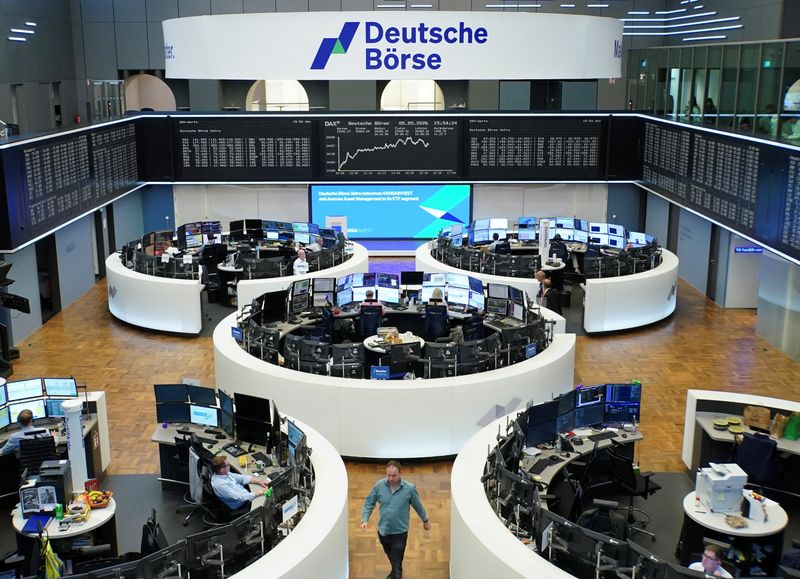
The European financial landscape is currently navigating a delicate balancing act. After a blistering rally in the previous session, markets across the continent have paused, with the pan-European STOXX 600 index hovering around the 623.59-point mark as of early Thursday trading. Investors are currently recalibrating their portfolios as they weigh the geopolitical implications of a potential U.S.-Iran peace deal against a volatile and mixed bag of first-quarter corporate earnings.
For much of 2026, European equities have struggled to keep pace with their global counterparts. While U.S. markets have soared on the back of AI-driven optimism, Europe’s energy-dependent economy has remained tethered to the fluctuations of the Middle East. As we move through May, the market sentiment is shifting from cautious pessimism to guarded hope.
The Geopolitical Catalyst: A Turning Point in the Middle East?
The primary driver of this week’s volatility—and the subsequent optimism—is the renewed prospect of a diplomatic breakthrough between Washington and Tehran. With President Donald Trump publicly forecasting a “swift end” to the conflict, traders are looking for signals that the geopolitical risk premium, which has depressed European valuations for months, may finally be receding.
Why Peace Matters for European Equities
Europe’s sensitivity to Middle Eastern instability stems from its historical reliance on energy imports and supply chain stability. Since the onset of the current conflict, the STOXX 600 has lagged roughly 2% behind its pre-war levels.
Analysts suggest that even a partial peace deal—or a stabilization of the Strait of Hormuz—could act as a major tailwind for the European manufacturing and energy sectors. As Daniela Hathorn, senior market analyst at Capital.com, aptly noted: “It’s the closest the U.S. and Iran have been to potentially getting a peace deal, and that’s what’s driving the positive momentum.”
Corporate Earnings: The Good, The Bad, and The Unexpected
While geopolitics sets the tone, corporate performance is providing the substance. This week has seen a “slew” of earnings reports that illustrate the diverging fortunes of European industry leaders. Investors are parsing these results to determine which sectors are resilient enough to survive current inflationary pressures and which are succumbing to structural headwinds.
Energy Sector Struggles
The energy sector, which has been a double-edged sword for Europe, saw a slight downturn today.
Shell: Despite reporting first-quarter profits that outperformed analyst expectations, the energy giant saw its shares dip by 3.9%. The culprit? A reduced pace in its share buyback program, which signaled to investors that management is prioritizing cash preservation over aggressive capital returns.
BP: Following the trend set by Shell, BP shares dropped 1.8%, contributing to a 1.2% decline in the broader energy index.
The Luxury Rebound
In a surprising shift, the luxury goods sector—which has faced significant pressure throughout the first half of 2026—has found its footing. Names like LVMH, Hermes, and Kering all posted gains between 2.5% and 2.9%. This suggests that despite global economic uncertainty, the ultra-high-net-worth consumer base remains a reliable engine for these European powerhouses.
Beverage Sector Volatility
It wasn’t all positive news for the consumer staples sector. The spirits industry faced a significant blow as Campari shares tumbled by 11% after missing first-quarter revenue expectations. The ripple effect was felt across the sector, with industry giants Diageo and Pernod Ricard both losing over 1% in early trading.
Structural Challenges and Market Fragmentation
Beyond the daily fluctuations, structural issues remain at the forefront of the European Central Bank’s (ECB) agenda. A recent report from the ECB highlighted a persistent, albeit uncomfortable, truth: while European financial integration has made progress, the region’s equity markets remain fundamentally fragmented.
Why Fragmentation Matters
Fragmentation often leads to liquidity issues and makes it harder for European firms to compete on a global scale against the unified, high-liquidity environment of the U.S. stock market. When global shocks occur—such as the recent conflict—this fragmentation often exacerbates the “bearish bias” that has plagued European exchanges throughout April and early May.
Notable Movers and Market Sentiment
As investors digest the latest news, several individual stocks have become bellwethers for wider sentiment:
- Henkel: The consumer goods giant saw its shares jump 4% after meeting sales expectations, providing a rare bright spot in the industrial sector.
- Siemens Healthineers: A more somber note was struck here, with shares tumbling 3.7%. The company cut its full-year outlook, citing structural changes in the Chinese market and persistent inflation.
- Rheinmetall: The German defense contractor fell 3.1% following its Q1 results. The market appears to be taking a “wait and see” approach regarding its bid for German Naval Yards Kiel.
Looking Ahead: What Should Investors Expect?
As we head deeper into the second quarter of 2026, the market is caught between two powerful forces. On one hand, there is the “peace trade”—the hope that the geopolitical landscape will stabilize, lowering energy costs and boosting consumer confidence. On the other, there is the “earnings reality”—the realization that structural inflation and specific market weaknesses (such as those in China) continue to impact bottom lines.
Key Factors to Watch:
The U.S.-Iran Negotiations: Any concrete details regarding the nuclear program or the status of the Strait of Hormuz will likely trigger significant market movement.
Central Bank Policy: With the ECB watching inflation closely, any hints of interest rate adjustments will dictate the cost of capital for European firms.
- AI Integration: European firms that successfully integrate AI to drive efficiency may finally start to close the valuation gap with their U.S. peers.
Conclusion
The recent stability in European shares is a testament to the market’s resilience. While the region continues to grapple with the fallout of the Middle East conflict and the complexities of a fragmented financial landscape, the appetite for growth remains evident.
Investors are clearly looking for a catalyst. Whether that comes in the form of a successful peace treaty or a pivot in corporate strategy remains to be seen. For now, the strategy for many remains “cautious optimism”—buying the dips in sectors showing resilience while keeping a close eye on the geopolitical headlines that continue to define the 2026 trading year.