Global Markets Rally: Why the Strait of Hormuz Standoff is Dictating 2026 Investor Sentiment

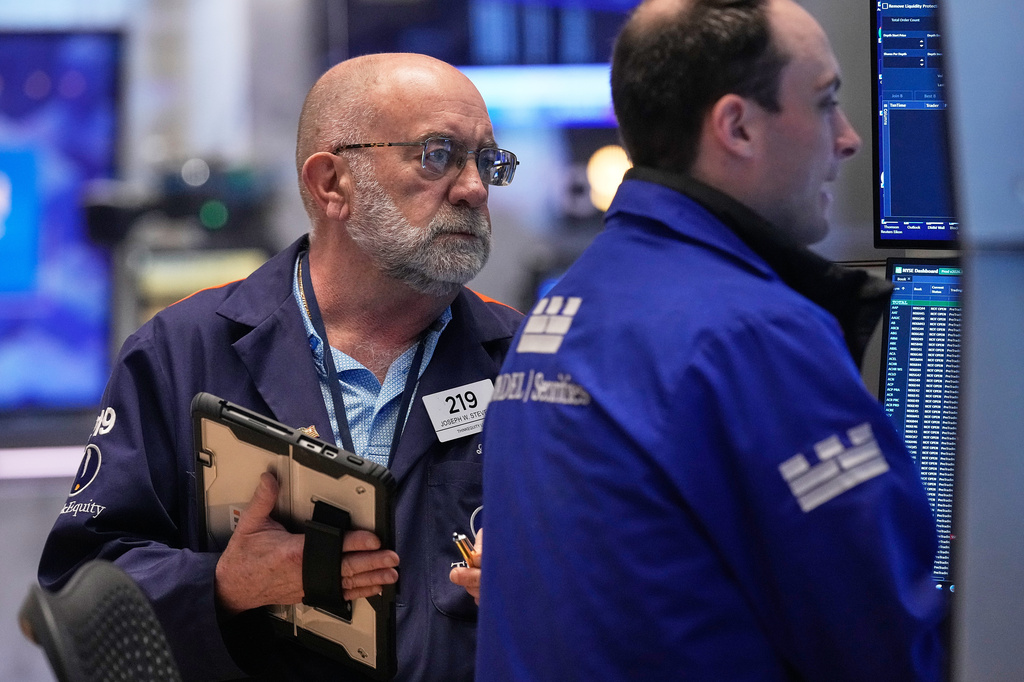
The global financial landscape in 2026 is currently defined by a high-stakes geopolitical tug-of-war. As investors navigate the complexities of the AI-driven tech boom and persistent inflationary pressures, the Strait of Hormuz has emerged as the single most critical focal point for the world economy. Recent market movements across Asia reflect a cautious optimism, with indices surging on the mere possibility of a diplomatic breakthrough between the United States and Iran.
This article explores why the reopening of this vital maritime artery is the “holy grail” for stabilizing global crude oil prices and why Asian markets, particularly the Nikkei 225, are responding with such historic volatility.
The Strait of Hormuz: The Chokepoint of the Global Economy
For decades, the Strait of Hormuz has been recognized as the most important oil chokepoint in the world. In 2026, the ongoing conflict has effectively paralyzed this narrow passage, forcing oil tankers to navigate treacherous waters or take costly detours. When a significant portion of the world’s daily oil supply is physically blocked from leaving the Persian Gulf, the immediate result is a supply-side shock that ripples through every economy on the planet.
Why Oil Prices Are Holding Above $100
Despite the optimism regarding a potential deal, Brent crude has remained stubbornly above the $100-per-barrel threshold. This price floor is maintained by two competing forces:
- Supply Fragility: The actual, physical closure of the strait remains a reality. As long as tankers are being targeted—as evidenced by recent U.S. military engagement with an Iranian vessel—the risk premium on oil will remain elevated.
- The “Trump Factor”: President Donald Trump’s rhetoric, oscillating between offers of an “open to all” transit agreement and threats of increased military intensity, has created a binary market environment. Investors are essentially pricing in a “peace premium” while simultaneously hedging against the risk of total escalation.
Asian Markets Surge: The Nikkei 225 Record-Breaking Run
After returning from the “Golden Week” holidays, Tokyo’s Nikkei 225 delivered a staggering performance, gaining 5.7% to reach a record intraday high of 62,915.87. This leap is not merely a reaction to the Strait of Hormuz news; it is the culmination of a broader trend.
The AI Tech Boom’s Influence
The Japanese market has been on a tear, gaining nearly 73% over the past year. This growth is largely fueled by the global appetite for artificial intelligence. Japanese tech firms, which provide the essential hardware and machinery for AI development, have seen their valuations skyrocket. When you combine this fundamental growth with the relief rally triggered by the potential easing of oil prices, you create the perfect conditions for a record-breaking trading session.
Nikkei 225 Performance: Up 18% in the last three months.
Tech Sector Resilience: AI-focused chipmakers and hardware suppliers remain the primary drivers of index gains.
Investor Sentiment: Moving from defensive to growth-oriented as fuel cost concerns begin to abate.
Broader Asian Market Sentiment: A Mixed Bag
While Tokyo celebrated, the rest of Asia presented a more nuanced picture. Hong Kong’s Hang Seng index saw a solid gain of 1.3%, signaling that Chinese and regional investors are equally sensitive to the global energy supply chain. However, the South Korean Kospi index slipped 0.4% as traders moved to lock in profits.
Profit-Taking vs. Long-Term Growth
The slight dip in the Kospi is a textbook example of “profit-taking” after a massive rally. When a benchmark index jumps nearly 7% in a single session—as the Kospi did earlier in the week—a cooling-off period is not just expected; it is healthy. It indicates that traders are rebalancing their portfolios, moving away from high-risk short-term bets and into more stable, long-term positions.
The U.S. Perspective: Earnings Reports Defy War Tensions
It is remarkable that global stock markets have remained so resilient despite the ongoing war in the Middle East. The answer lies in the strength of U.S. corporate earnings. For the first quarter of 2026, the “Magnificent Seven” and other tech titans have consistently outperformed analyst expectations.
Corporate Leaders Pushing the Market
AMD (Advanced Micro Devices): Posted an 18.6% surge, proving that the demand for high-performance computing is insatiable.
Super Micro Computer: A 24.5% rally underscores the massive capital expenditure currently flowing into AI infrastructure.
Nvidia: As the poster child of the AI revolution, its 5.7% rise acted as a massive tailwind for the S&P 500.
- CVS Health & Disney: These companies represent the “non-tech” side of the recovery, showing that consumer spending remains robust even in an inflationary environment.
The Geopolitical Tightrope: A Dangerous Game
The optimism surrounding the Strait of Hormuz must be tempered by the reality of the situation. The U.S. military’s recent action—shooting the rudder of an Iranian oil tanker—serves as a stark reminder that the region is a powder keg.
Investors are betting on a diplomatic solution, but the reality on the ground is volatile. If the proposed agreement falls through, or if the “higher level of intensity” threatened by the U.S. leadership becomes a reality, we could see a sudden reversal in market sentiment. The correlation between energy prices and equity markets is currently at an all-time high; if oil spikes again, the gains made this week in Tokyo and elsewhere could be wiped out in a single session.
Conclusion: What’s Next for Investors?
As we move through the second quarter of 2026, the investment strategy remains clear: Diversify and monitor. The correlation between the Strait of Hormuz, global inflation, and the tech sector is tighter than it has been in decades.
Investors should watch for three key indicators in the coming weeks:
- Diplomatic Breakthroughs: Any formal announcement of a transit agreement will likely cause an immediate, sharp decline in oil prices, acting as a massive stimulus for the global economy.
- Tech Earnings Stability: As long as AI-driven companies continue to beat revenue expectations, the broader markets will likely have a “floor” to stand on, even if energy prices remain volatile.
- Inflationary Data: Persistent high energy prices are the enemy of central bank policy. If oil stays above $100, we may see further interest rate adjustments to combat cost-push inflation.
In summary, while the surge in Asian shares is a positive sign of investor confidence, it is a fragile optimism. The world is watching the Persian Gulf with bated breath, knowing that the price of global stability is currently measured in barrels of oil and the diplomatic resolve of the world’s superpowers.