Gold Futures Rally: Market Dynamics Shift as Middle East Tensions Ease in 2026

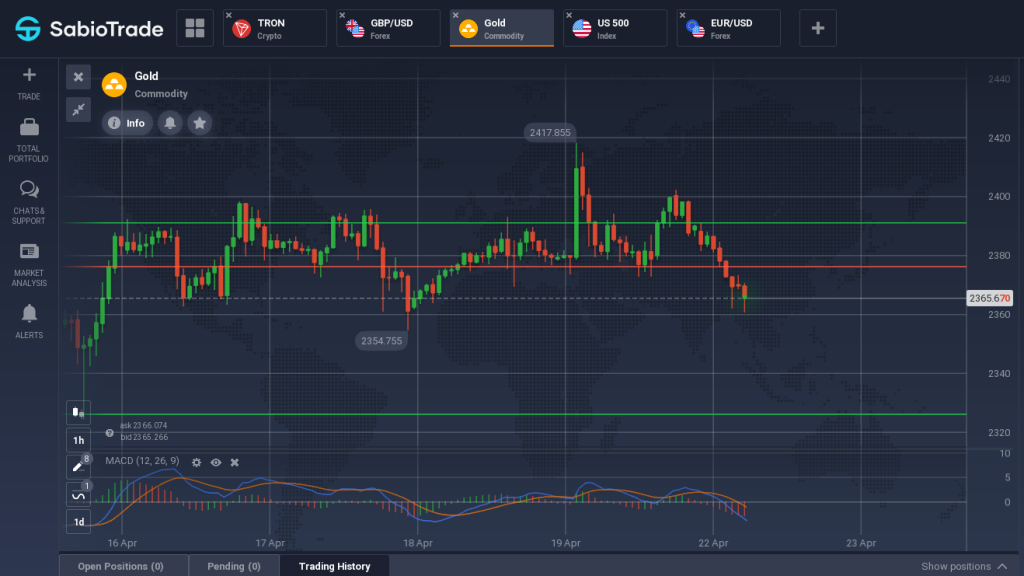
The global financial landscape is experiencing a fascinating pivot in early 2026. As of the latest market updates, gold futures are climbing despite a cooling of geopolitical friction in the Middle East. This counterintuitive movement has left many investors questioning the traditional “safe-haven” narrative. With spot gold trading significantly higher at $4,625.28 per ounce, the market is signaling that the yellow metal is no longer just a hedge against war—it has evolved into a complex asset sensitive to monetary policy, energy costs, and presidential diplomacy.
The “Project Freedom” Pause and Diplomatic Impact
The primary catalyst for the recent shift in market sentiment stems from the White House. President Trump’s recent announcement to temporarily pause “Project Freedom”—a U.S.-led initiative designed to secure safe passage for commercial vessels through the Strait of Hormuz—has sent shockwaves through energy and commodity markets.
According to Vivek Dhar, a prominent analyst at CBA, this diplomatic pause is a direct response to progress in negotiations with Iran. By signaling a move toward a “Complete and Final Agreement,” the administration has effectively lowered the immediate risk premium associated with regional conflict. Traditionally, an easing of such tensions would see gold prices plummet as investors exit “fear trades.” However, the current market behavior suggests that gold is now being driven by a much broader set of macroeconomic variables.
Why Gold is Defying Traditional Logic
In previous years, gold prices tracked inversely to Middle East stability. When tensions were high, gold soared; when they eased, it retreated. The current environment, however, shows gold futures rising even as diplomatic windows open. Why is this happening?
Fed Independence Concerns: Markets are increasingly jittery regarding the Federal Reserve’s autonomy. As 2026 progresses, the narrative surrounding central bank independence has become a focal point for institutional investors.
Energy-Driven Inflation: High energy costs remain a persistent weight on global economic growth. Even with the Strait of Hormuz tensions cooling, the underlying impact of energy prices on manufacturing and logistics continues to support gold as a store of value.
Anticipated Rate Cuts: Investors are aggressively pricing in future interest rate cuts. When real yields are perceived to be at risk, gold becomes an attractive alternative to interest-bearing assets like government bonds.
Analyzing the Risk-Sensitive Asset Shift
Fawad Razaqzada, a market analyst at FOREX.com, notes that gold is increasingly being treated as a risk-sensitive asset rather than a passive safe haven. This evolution in market perception is critical for traders to understand. When gold reacts positively to diplomatic progress, it suggests that the market is focusing on the consequences* of that progress—such as potential shifts in global trade policy or changes in the dollar’s strength—rather than just the absence of conflict.
The Impact of Monetary Policy
The correlation between gold and the Federal Reserve is stronger than ever. The market is currently banking on the idea that the Fed will prioritize growth over inflation control as global economic headwinds persist. If the Fed pivots toward a more dovish stance, the resulting pressure on the U.S. dollar typically creates a “tailwind” for gold.
Navigating the Volatility: 2026 Market Outlook
Investors looking at the current $4,625 per ounce price point must distinguish between short-term noise and long-term trends. While the pause in “Project Freedom” has temporarily reduced the “war premium” on oil and gold, the underlying issues—Fed policy, debt sustainability, and global growth—remain unresolved.
Strategies for the Modern Investor
- Monitor Energy Prices: Keep a close watch on how the pause in Strait of Hormuz operations impacts global oil supply chains. Any unexpected spike in energy costs will likely bolster gold.
- Watch the Fed: Every statement regarding Fed independence and future rate trajectories will be a primary driver for precious metal volatility in the coming months.
- Diversification: Given the shift in how gold behaves, maintain a balanced portfolio. Gold’s role as a hedge is changing, and it should now be viewed as an integral part of a growth-oriented portfolio rather than just a “doomsday” insurance policy.
Conclusion
The rise in gold futures amid easing Middle East tensions is a clear indicator that the market has moved into a new chapter. We are no longer living in a world where geopolitical peace automatically translates to lower gold prices. Instead, investors are laser-focused on the intersection of monetary policy, geopolitical diplomacy, and persistent economic pressures.
As we move further into 2026, the resilience of gold prices at these elevated levels suggests that the market is preparing for a transition period. Whether the “Project Freedom” pause leads to a lasting deal or is merely a temporary reprieve, gold remains a central pillar of global portfolio strategy. Investors should stay vigilant, keep an eye on central bank communications, and remain adaptable as the market continues to redefine the value of the world’s most precious commodity.