Strait of Hormuz Standoff: Trump Pauses ‘Project Freedom’ Amid Diplomatic Breakthrough Hopes

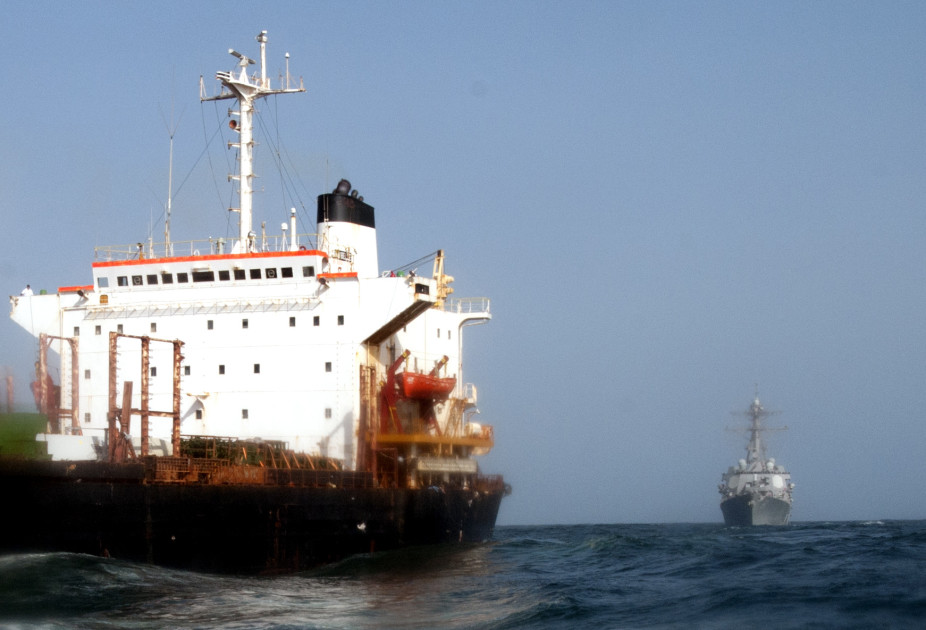
The geopolitical landscape of the Middle East shifted dramatically this week as U.S. President Donald Trump announced a strategic pause to Project Freedom, the high-stakes initiative designed to escort commercial vessels through the volatile Strait of Hormuz. After escalating tensions following the closure of the waterway in late February, the administration is signaling a potential pivot toward a comprehensive diplomatic settlement with Iran.
This move follows days of intense naval activity and military posturing. While the U.S. remains committed to maintaining a strict naval blockade on Iranian ports, the temporary suspension of escort missions suggests a calculated attempt to de-escalate the ongoing maritime crisis.
The Strategic Shift: Why Project Freedom Was Paused
Project Freedom was launched with the primary objective of restoring freedom of navigation in one of the world’s most critical oil chokepoints. With roughly 1,550 commercial vessels and 22,500 mariners currently stranded in the Persian Gulf, the necessity of a safe corridor was paramount.
President Trump cited “great progress” in negotiations with Iranian representatives as the primary driver for this pause. According to administration officials, the decision was also influenced by direct requests from international mediators, including Pakistan. By providing a “short period of time” for these talks to materialize into a final agreement, the White House is testing whether diplomatic leverage can achieve what military posturing could not.
The Duality of U.S. Policy
It is crucial to note that while escort operations under Project Freedom have ceased, the U.S. naval blockade of Iranian ports remains fully active. This creates a complex environment where the U.S. is simultaneously seeking peace while maintaining economic strangulation of the Iranian regime. This dual-track approach serves as both a carrot and a stick, aiming to force Tehran to the negotiating table while protecting the integrity of global trade.
Global Pressure and the Call for Burden Sharing
The Pentagon has been vocal about the unsustainable nature of the U.S. acting as the world’s sole maritime police force. Defense Secretary Pete Hegseth recently reiterated that while the U.S. has been stabilizing the region, the burden must eventually shift to the international community.
South Korea and Japan: Washington has renewed calls for these nations to step up their involvement in securing the Strait, as they are among the most dependent on the oil flowing through the corridor.
European Allies: The U.S. continues to lobby for a broader coalition to ensure that maritime security is a collective responsibility.
- The Chinese Factor: While Treasury Secretary Scott Bessent has urged China to leverage its influence as a primary buyer of Iranian oil, President Trump has maintained a diplomatic tone regarding his upcoming meeting with President Xi Jinping.
Analyzing the Military-Diplomatic Nexus
The recent exchange of fire between U.S. and Iranian forces underscores the fragility of the current “ceasefire.” Operation Epic Fury, as described by Secretary of State Marco Rubio, has met its tactical objectives, yet the strategic situation remains volatile. Gen. Dan Caine, Chairman of the Joint Chiefs of Staff, noted that the military’s role has been strictly defensive.
The pause in Project Freedom is not necessarily a retreat, but rather a tactical recalibration. By pulling back the escorts, the U.S. is signaling to Iran that the path to normalcy is open, provided that the negotiations for a “Complete and Final Agreement” proceed in good faith. However, if these talks collapse, the infrastructure for a renewed military presence is already in place.
The Road Ahead: 2026 and Beyond
As we look toward the remainder of 2026, the situation in the Strait of Hormuz remains a primary indicator of global economic health. The stability of energy markets is inextricably linked to the outcome of these diplomatic efforts.
- If the deal succeeds: We may see a gradual lifting of the blockade, a surge in oil supply, and a cooling of regional military tensions.
- If the deal fails: The U.S. will likely be forced to resume Project Freedom, potentially leading to a more permanent and militarized escalation in the Persian Gulf.
The world is watching closely as the White House prepares for high-level summits with international counterparts. President Trump’s measured commentary on China and his willingness to pause military operations suggest a desire to secure a legacy-defining diplomatic victory. Whether this leads to a lasting peace or merely a temporary lull in hostilities remains the most significant question in international relations today.
Conclusion
The pause in Project Freedom represents a pivotal moment in the 2026 Iran-U.S. crisis. By balancing a stern naval blockade with a genuine invitation to negotiate, the administration is navigating a narrow path between conflict and resolution. While the immediate threat of direct naval confrontation has subsided, the underlying geopolitical tensions remain high. The success of this endeavor will depend on the willingness of both Washington and Tehran to move beyond rhetoric and secure a sustainable framework for regional stability.