The 2026 Pivot: Trump Halts “Project Freedom” as Iran Peace Talks Reach Critical Junction

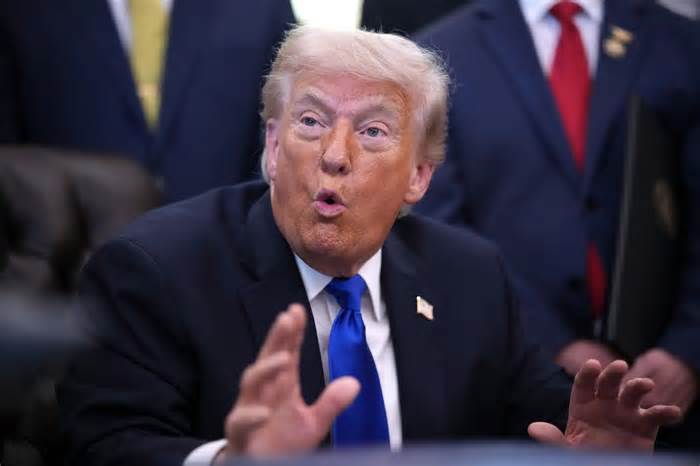
The global energy market and international diplomatic circles were sent into a whirlwind this evening as President Donald Trump announced a sudden and significant shift in U.S. naval policy. In a move that has caught many by surprise, the White House has officially paused Project Freedom, the high-stakes military operation designed to escort commercial vessels through the volatile Strait of Hormuz.
This development, reported extensively on Hanomansing Tonight, marks a dramatic turn in what has been a week of escalating maritime hostilities. The decision to halt the escorts comes just twenty-four hours after a series of kinetic engagements between U.S. and Iranian forces, signaling a potential opening for a comprehensive peace agreement that could redefine Middle Eastern geopolitics for the late 2020s.
The Pakistan Connection: A Diplomatic Masterstroke?
According to a series of posts on Truth Social, President Trump indicated that the decision to pause the military escorts was made following a direct request from the government of Pakistan. Islamabad has increasingly positioned itself as a primary mediator in the 2026 standoff, leveraging its unique relationship with both Washington and Tehran to prevent a full-scale regional war.
Why Pakistan is Mediating
Pakistan’s involvement is not merely altruistic. As a neighbor to Iran and a long-term strategic partner to the U.S., any escalation in the Strait of Hormuz directly impacts Pakistan’s energy security and internal stability. By requesting a pause in “Project Freedom,” Pakistan has created a “cooling-off period,” allowing negotiators to sit down without the immediate threat of naval skirmishes clouding the discussions.
The “Short-Lived” Project Freedom
Project Freedom was intended to be the definitive answer to Iranian “hit-and-run” tactics in the Persian Gulf. However, its lifespan was remarkably brief. The administration’s willingness to shelf the project so quickly suggests that the progress in peace negotiations may be more substantial than previously disclosed to the public. Trump noted that he would like to “wait a short time” to see if a final, binding agreement can be reached.
Economic Asphyxiation: The Blockade Remains
While the military escorts have been paused, the U.S. is not backing down on all fronts. In fact, the naval blockade against Iranian ports remains strictly in place. This “maximum pressure” 2.0 strategy appears to be the primary lever forcing Tehran to the negotiating table.
Secretary Rubio’s Assessment
Secretary of State Marco Rubio provided a sobering update on the effectiveness of the blockade. According to Rubio, the strategy is “crippling” the Iranian economy in ways previously unseen. Key statistics released by the State Department include:
Trade Volume: Iranian international trade has been halted by an estimated 90%.
Revenue Loss: The Iranian regime is reportedly losing $500 million per day in lost oil and gas revenue.
Economic Isolation: The blockade has effectively prevented 95% of Iranian-flagged vessels from entering or exiting the Persian Gulf.
The administration believes that this economic strangulation is what has made the “final agreement” a realistic possibility. The pause in Project Freedom is seen as a “carrot,” while the blockade remains the very heavy “stick.”
%3B?impolicy=ott&im=Resize=730&quality=75)
“Peashooters” and Missiles: Trump’s Rhetoric on Naval Power
In a characteristic exchange in the Oval Office, President Trump addressed the recent skirmishes where both nations accused each other of firing on commercial ships. When asked about the threat posed by the Iranian Navy, the President dismissed their capabilities with colorful language, referring to their fast-attack craft as “little boats with peashooters.”
The Attrition of the Iranian Navy
Trump claimed that the Iranian Navy has suffered significant losses in the last 48 hours. “They had eight of them, and they’re all gone,” Trump stated, referring to high-speed Iranian vessels that allegedly engaged U.S. assets. He emphasized the technological gap, noting that while the Iranian boats are fast, “a missile is slightly faster.”
This rhetoric serves a dual purpose. It reassures the American public of U.S. military dominance while simultaneously signaling to Iran that the “pause” in Project Freedom is not a sign of weakness, but a choice made from a position of overwhelming strength.
The Ceasefire Paradox: Hegseth’s “Threshold” Doctrine
One of the most confusing aspects of the current situation is the status of the ceasefire. Despite reports of ten separate Iranian attacks against U.S. forces during this period, Defense Secretary Pete Hegseth maintained that the ceasefire is not over.
Defining the Threshold
Hegseth’s briefing introduced a complex military concept: the combat threshold. He argued that while Iran has engaged in provocative actions, these strikes have remained “below the threshold” required to restart full-scale combat operations.
Strategic Patience: The U.S. is currently absorbing minor provocations to protect the integrity of the peace talks.
Presidential Prerogative: Hegseth clarified that the decision to declare the ceasefire “void” rests solely with President Trump.
The Warning: The Pentagon has urged Iran to be “prudent,” warning that the threshold is thin and that any escalation beyond “peashooter” tactics would result in a decisive military response.
What a “Final Agreement” Could Look Like in 2026
The ultimate goal of the current negotiations is a “complete and final agreement.” While the specifics remain classified, geopolitical analysts suggest several key pillars are likely on the table:
- Permanent Maritime Security: A guarantee that the Strait of Hormuz remains an open international waterway without the need for constant military escorts.
- Nuclear Transparency: Updated protocols regarding Iran’s nuclear ambitions, potentially moving beyond the framework of the original JCPOA.
- Sanctions Relief for Regional Stability: A gradual lifting of the current blockade in exchange for Iran ceasing its support for proxy groups in the region.
The role of Pakistan as a guarantor of this deal could be the missing piece that previous administrations lacked. By having a regional power oversee the implementation, both the U.S. and Iran may find a face-saving way to de-escalate.
The Risks of the “Pause”
Journalist Nick Harper, reporting for Hanomansing Tonight, highlighted the inherent risks of pausing Project Freedom. Iran had previously warned that any ship bypassing the Strait without their permission would face “decisive action.” By withdrawing the escort, the U.S. is essentially testing Iran’s willingness to play fair during the negotiations.
If Iran uses this pause to harass commercial shipping further, the Trump administration will be under immense pressure to not only restart Project Freedom but to escalate the blockade into a more direct military engagement.
%3BResize%3D(620)?impolicy=ott&im=Resize=730&quality=75)
Conclusion: A Tense Wait for Peace
The eyes of the world are now on the Strait of Hormuz. The pause in Project Freedom represents a high-stakes gamble by the Trump administration—a bet that diplomacy, backed by a “crippling” blockade, can achieve what decades of military posturing could not.
As we move further into 2026, the success of this maneuver will depend on whether the “great progress” mentioned by the President is a genuine diplomatic breakthrough or merely a temporary lull in an inevitable conflict. For now, the world waits to see if the “peashooters” will stay silent long enough for the pens of diplomats to finish their work.
The situation remains fluid, and as Nick Harper noted, “things change once again” in the blink of an eye in Washington. Stay tuned to Hanomansing Tonight for the latest updates on this breaking story.