Hantavirus Cruise Ship Crisis: Tenerife Emergency Repatriation Underway

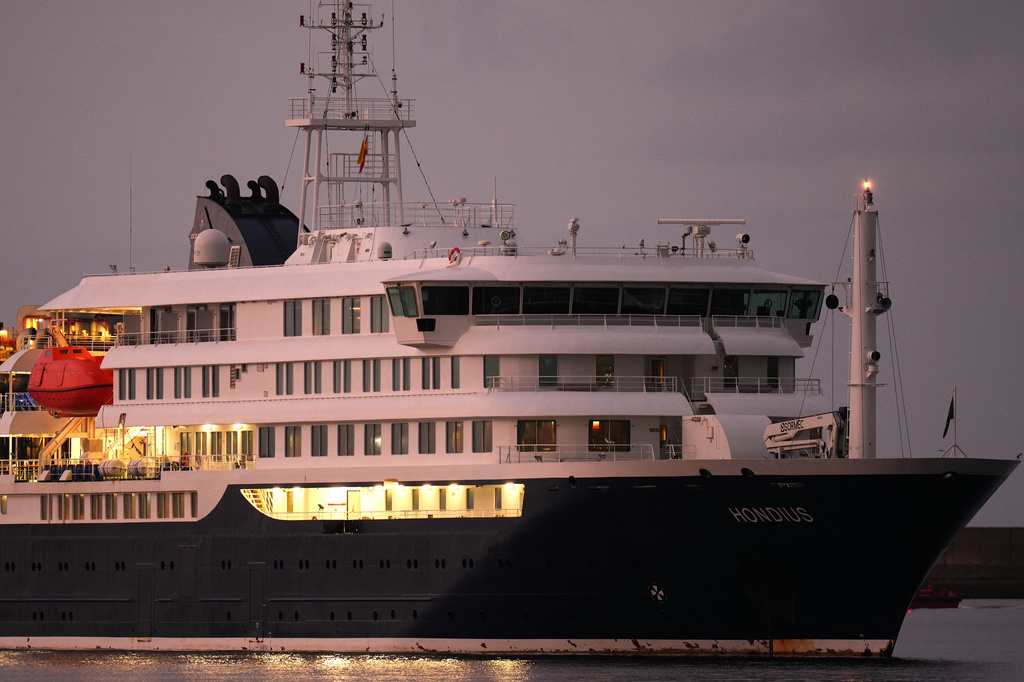
The maritime world and health authorities are currently focused on a high-stakes medical operation unfolding off the coast of Tenerife in Spain’s Canary Islands. The MV Hondius, a vessel operated by Oceanwide Expeditions, has reached the port of Granadilla, carrying over 140 passengers and crew members following a harrowing ordeal involving a deadly hantavirus outbreak.
As of May 2026, the situation remains under strict international supervision. While the ship has arrived at its destination, it remains anchored offshore, serving as a floating quarantine zone to ensure the safety of the local population and the international community.
The Anatomy of the Outbreak
The crisis began in early May 2026, when a cluster of severe respiratory illnesses was reported to the World Health Organization (WHO). Initial investigations confirmed that the vessel had been exposed to the Andes virus, a specific strain of hantavirus that has raised concerns due to its rare potential for human-to-human transmission.
Understanding the Hantavirus Threat
Hantaviruses are typically zoonotic, meaning they are transmitted to humans through contact with the urine, droppings, or saliva of infected rodents. Inhalation of aerosolized particles containing the virus is the primary transmission route.
Symptoms: Early signs include fatigue, fever, and muscle aches, which can rapidly progress to severe respiratory distress.
Incubation Period: The virus typically manifests between one and eight weeks after initial exposure.
The Andes Variant: Unlike other common strains, the Andes virus has shown evidence of potential person-to-person spread, which prompted the aggressive containment protocols seen during this operation.
The Tenerife Operation: A Masterclass in Containment
The arrival of the MV Hondius in Tenerife is not a standard docking procedure. To prevent any risk of community transmission, Spanish authorities, in coordination with the WHO and the ship’s operators, have implemented a “zero-contact” repatriation protocol.
Why Tenerife?
Tenerife was selected due to its strategic location and the availability of advanced medical and logistical infrastructure. The Spanish government, under the guidance of its health and interior ministries, granted the ship permission to anchor only after rigorous safety assurances were established.
The Evacuation Strategy
The ship will not be allowed to physically dock at a public pier. Instead, the following measures are in place:
- Small Boat Transfer: Passengers and crew will be ferried from the MV Hondius to waiting transport via small vessels.
- Symptom Screening: Every individual will undergo comprehensive health assessments before being cleared for travel.
- Direct Repatriation: Evacuation flights are being coordinated to transport passengers directly to their home countries, ensuring they remain isolated from the general public throughout the process.
Global Health Response and Public Reassurance
The presence of a contagion-stricken vessel near a popular tourist destination like the Canary Islands naturally triggered anxiety among local residents. WHO Director-General Tedros Adhanom Ghebreyesus has been personally involved in the communications, working to reassure the public that the risk of the virus jumping to the local population is effectively zero.
International Cooperation
With over 20 nationalities represented on board, the logistical challenge is immense. Embassies are working around the clock to organize flights, ensuring that the MV Hondius quarantine ends as quickly as possible without compromising global health security.
The cooperation between Oceanwide Expeditions, the Spanish government, and international health bodies serves as a blueprint for how modern global travel must handle unexpected biological threats.
The Human Toll and Future Implications
While no one currently on board is showing active symptoms, the ship has already faced tragedy. Three people have died since the outbreak began, and five others who disembarked earlier in the voyage were confirmed to be infected. These statistics highlight the lethality of the virus and the urgency of the current evacuation.
Lessons for the Cruise Industry
This incident is likely to trigger a massive shift in health and safety protocols for expedition cruise lines. As vessels explore more remote regions, the risk of encountering zoonotic diseases increases. Moving forward, we expect to see:
Enhanced Rodent Control: Stricter sanitation and pest-prevention measures in all ship galleys and cargo holds.
Pre-emptive Health Screening: More robust testing capabilities on board vessels operating in high-risk zones.
Improved Emergency Response Protocols: Standardized international agreements for “safe harbor” scenarios during medical crises.
Conclusion: A Turning Point for Maritime Safety
The MV Hondius situation in Tenerife is a sobering reminder of the interconnectedness of our world. As the passengers prepare to return to their homes, the focus shifts from crisis management to long-term health monitoring.
Spanish authorities have handled the situation with extreme caution, prioritizing public safety above all else. As of May 2026, the situation remains under control, and the successful repatriation of these passengers will mark the end of a difficult chapter for all involved. The cruise industry will undoubtedly look back at this event as a defining moment, necessitating a new era of vigilance in protecting passengers and local communities alike.