Zack Polanski’s Red Cross Controversy: Integrity, Accountability, and Political Scrutiny

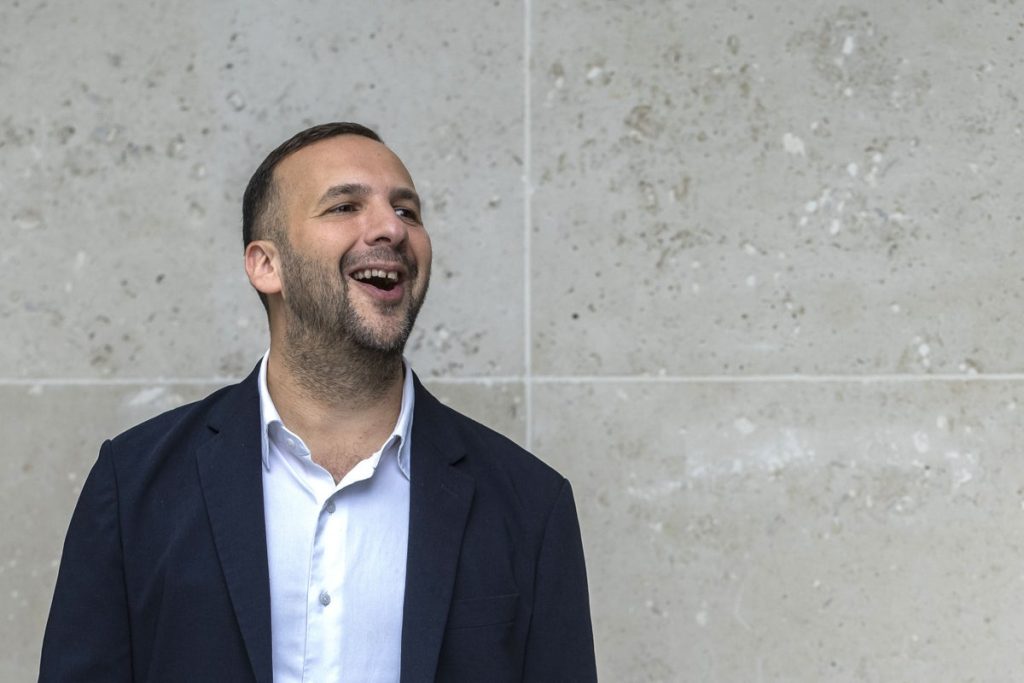
In the high-stakes world of British politics, credibility is the currency that keeps a leader afloat. Recently, Green Party leader Zack Polanski found himself at the center of a public relations firestorm after admitting he was wrong to describe himself as a spokesperson for the British Red Cross. The admission, which surfaced following scrutiny of his 2022 deputy leadership campaign, has sparked a broader debate regarding his judgment, his past professional claims, and his suitability to lead a national political party.
As we look at the political landscape in 2026, the incident serves as a poignant reminder of how past campaign rhetoric can haunt current leadership. For Polanski, this is not just about a single word choice—it is about the expectations of transparency that voters place on their representatives.
The Origins of the Red Cross Claim
The controversy traces back to Polanski’s 2022 campaign for the Green Party deputy leadership. During this period, claims were made—and subsequently amplified—that Polanski served as a formal spokesperson for the British Red Cross. These assertions were later challenged, leading to significant pressure from political opponents to “come clean” and rectify the record.
When confronted during an appearance on the BBC Radio 4 Today programme, Polanski provided a nuanced, if somewhat defensive, explanation. He clarified that while he was never an official spokesperson, he had indeed hosted various fundraisers for the organization.
“I used the wrong word, and I accept that,” Polanski admitted. He noted that his role involved taking the stage to speak about the humanitarian work the organization conducts, particularly regarding climate change and global refugee crises. However, the distinction between a guest speaker and a formal organizational representative is significant in the eyes of the public, and the correction has left many questioning the accuracy of his past campaign materials.
Political Fallout and Critiques of Judgment
The admission has provided ample ammunition for Polanski’s political rivals. Conservative leader Kemi Badenoch was particularly vocal, suggesting that the discrepancy is indicative of a leader who is “in over his head.” For critics, this is not an isolated incident but part of a pattern of questionable judgment.
The Golders Green Controversy
Adding fuel to the fire, Polanski faced severe backlash for his reaction to footage of a police intervention in Golders Green. After a suspected attacker was tasered and subsequently kicked by officers, Polanski shared social media commentary that appeared to criticize the police response.
The backlash was swift and bipartisan. Critics argued that the Green leader’s focus on the conduct of officers—who were apprehending a suspect accused of attempting to kill two people—showed a lack of seriousness and a disconnect from the realities of national security. While Polanski later apologized for sharing the post in “haste,” the damage to his public perception remains a hurdle for his leadership.
Addressing Antisemitism Within the Party
Beyond the personal controversies, Polanski is tasked with navigating systemic issues within the Green Party, specifically regarding antisemitism. Confronted with reports of unacceptable comments made by various party candidates, Polanski has been forced to commit to a more rigorous internal policy.
Standardized Vetting: The Green Party has announced plans for a more robust, standardized vetting process for all future candidates.
Compulsory Training: To ensure that the party remains a safe space, compulsory training programs are being implemented to address and eradicate discriminatory views.
- Zero Tolerance: Polanski has emphasized that “one case of antisemitism is one too many,” attempting to distance the party’s values from the actions of a minority of its members.
Despite these efforts, figures like Communities Secretary Steve Reed have criticized Polanski for failing to act decisively against candidates who have shared offensive content. The tension between the party’s stated anti-racist values and the reality of its candidate vetting remains a critical point of contention for 2026 voters.
Examining Polanski’s Political Path
To understand the current scrutiny, one must look at Polanski’s unconventional trajectory. Before rising through the ranks of the Green Party, he navigated a diverse and sometimes controversial career path. His history includes work as a hypnotherapist and a background in the “Theatre of the Oppressed,” an experience he credits with politicizing him.
Critics often point to his “outsider” status as a double-edged sword. While it has helped him energize a younger base and draw comparisons to figures like Jeremy Corbyn, it has also made him a target for those who believe he lacks the traditional experience required for high-level governance. The “entryism” claims that have haunted his leadership reflect the broader struggle of the Green Party to transition from a protest movement into a party of serious, pragmatic government.
The Challenge of Leadership in 2026
In the current political climate, every word uttered by a party leader is subject to intense digital forensics. For Zack Polanski, the “Red Cross spokesperson” debacle is a case study in the dangers of hyperbole. While he has taken responsibility for the error, the incident has highlighted a vulnerability that his opponents are eager to exploit.
Key Takeaways for the Future:
- Transparency is Non-Negotiable: In an era of instant fact-checking, claims regarding professional background must be verifiable and precise.
- Crisis Management: The ability to pivot from an error—and to do so without appearing to deflect blame—is essential for any leader.
- Party Discipline: Polanski’s ability to clean up his party’s internal culture regarding antisemitism will be the ultimate test of his leadership capabilities.
As the Green Party looks toward future elections, the pressure on Polanski will only intensify. He must balance the need to remain an authentic voice for his supporters with the requirement to be viewed as a reliable and serious statesman. Whether he can move past these controversies and focus on policy issues like the climate crisis and economic reform will depend on his ability to demonstrate consistency, humility, and clear-eyed judgment.
The political landscape is unforgiving, and while Polanski has acknowledged his mistakes, the court of public opinion moves rapidly. His future success will likely hinge on his ability to prove that he has learned from these missteps and that he is capable of leading the Green Party with the gravitas that his position demands.