Hantavirus Outbreak at Sea: Why the MV Hondius Was Turned Away from the Canary Islands Amid Rising 2026 Cases

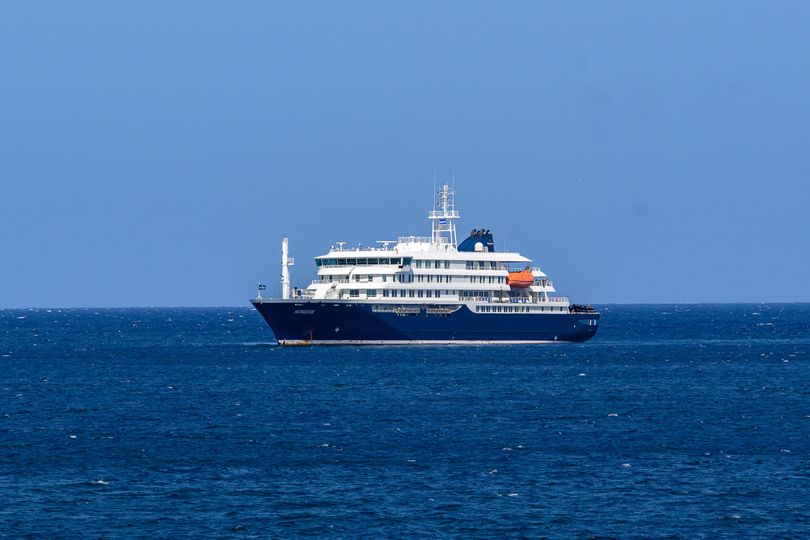
The maritime world is currently on high alert as a high-stakes medical drama unfolds in the Atlantic Ocean. In May 2026, the MV Hondius, a luxury expedition cruise ship, became the center of a geopolitical and public health standoff. After a deadly outbreak of hantavirus was confirmed on board, the vessel found itself a pariah of the seas, rejected by multiple ports before a controversial decision by the Spanish government sparked a regional revolt in the Canary Islands.
With three confirmed deaths and a new case surfacing in the heart of Europe, the situation highlights the evolving challenges of infectious disease management in the modern travel era. This article explores the timeline of the MV Hondius crisis, the medical mysteries surrounding the transmission, and the political firestorm ignited by its arrival in Spanish waters.
The MV Hondius Crisis: A Floating Quarantine
The MV Hondius, an advanced expedition vessel known for its polar and remote island voyages, was carrying 147 passengers and crew when the first signs of trouble emerged. What began as a high-end bird-watching and nature expedition quickly spiraled into a maritime health emergency.
The ship had been sailing from Cape Verde, South Africa, with the intention of docking in the Canary Islands. However, as the number of respiratory illnesses on board climbed, the regional government of the Canary Islands took the unprecedented step of refusing entry. This decision was mirrored by authorities in Cape Verde, leaving the ship and its passengers in a state of limbo off the African coast.
The Political Tug-of-War: Madrid vs. The Canary Islands
The refusal to allow the MV Hondius to dock has created a sharp rift between the regional leadership of the Canary Islands and the Spanish central government in Madrid.
Humanitarian Duty vs. Public Safety
The Spanish Health Ministry, supported by the World Health Organization (WHO) and the European Union, argued that Spain has a “moral and legal obligation” to assist the vessel. According to the Ministry, Cape Verde lacks the specialized medical infrastructure required to handle a viral outbreak of this magnitude. Furthermore, several Spanish citizens are among the passengers, adding a layer of national responsibility to the crisis.
The Regional Refusal
However, Fernando Clavijo, the regional leader of the Canary Islands, has remained steadfast in his opposition. Clavijo announced that the ship would not be permitted to enter regional ports, citing a lack of “technical criteria” and insufficient information to guarantee the safety of the local population. This move has prompted an urgent request for a meeting with Spanish Prime Minister Pedro Sánchez to resolve the jurisdictional deadlock.
A Global Health Concern: Seven Cases and Three Fatalities
As of May 4, 2026, the WHO has identified seven suspected cases of hantavirus linked to the MV Hondius. The human toll has already been devastating:
Three Deaths: A Dutch couple and one German national have succumbed to the virus.
Critical Condition: A British national was emergency-evacuated from the ship and is currently fighting for their life in a South African hospital.
Mild Symptoms: Three other individuals are being monitored on board with less severe respiratory issues.
The WHO believes the Dutch couple likely contracted the virus in Argentina before boarding the ship. However, the subsequent cases have raised alarms regarding how the virus spread among the remaining passengers.
The Swiss Connection: Hantavirus Reaches Zurich
The reach of the MV Hondius outbreak extended beyond the ship’s hull this week. The Swiss government confirmed that a passenger who had recently disembarked from the vessel is being treated for hantavirus in Zurich.
While Swiss health authorities have assured the public that there is no immediate danger to the general population, the case confirms that the incubation period of the virus allows it to travel across borders unnoticed. This “leakage” of cases into mainland Europe has intensified the scrutiny on maritime quarantine protocols in 2026.
The Mystery of Transmission: Is it Human-to-Human?
One of the most concerning aspects of the MV Hondius outbreak is the method of transmission. Traditionally, hantavirus is a rodent-borne illness. Humans typically contract it by inhaling dust contaminated with the urine, droppings, or saliva of infected mice or rats.
No Rats on Board
Health inspectors have confirmed that there are no rats on board the MV Hondius. This led the WHO to investigate two alternative theories:
- Environmental Exposure: Passengers may have been exposed during bird-watching excursions on remote islands where infected rodents are present.
- Human-to-Human Transmission: Most significantly, the WHO suggests that some degree of human-to-human transmission likely occurred among close contacts on the ship.
While rare, certain strains of hantavirus—specifically the Andes virus—have been known to spread between people. If confirmed, this would mark a significant shift in how maritime outbreaks are managed, as it necessitates much stricter isolation than standard rodent-control measures.
Understanding Hantavirus in 2026: Symptoms and Risks
Hantavirus remains a rare but deadly family of viruses. In the context of the 2026 outbreak, medical experts are focusing on Hantavirus Pulmonary Syndrome (HPS), which is the primary threat to cruise passengers.
Key Symptoms to Watch For:
Early Stages: Fatigue, fever, and muscle aches, particularly in the large muscle groups (thighs, back, shoulders).
Late Stages: Four to ten days after the initial phase, the patient experiences coughing and shortness of breath as the lungs fill with fluid.
Mortality Rate: HPS has a high fatality rate, often exceeding 35%, making rapid medical intervention critical.
SEO Insights: Why This Outbreak Matters for Travelers
For those planning cruises in late 2026 or 2027, the MV Hondius incident serves as a reminder of the importance of travel insurance and staying informed about regional health advisories.
LSI Keywords integrated for search relevance:
Cruise ship health protocols 2026
Infectious disease at sea
Maritime quarantine laws
Viral respiratory distress in travelers
WHO maritime emergency response*
The travel industry is expected to implement more rigorous pre-boarding health screenings and enhanced ventilation systems to mitigate the risk of similar viral clusters in the future.
Conclusion: A Moral and Medical Dilemma
The standoff over the MV Hondius is more than just a medical crisis; it is a test of international cooperation and humanitarian ethics. As the ship nears the Canary Islands following the Spanish government’s intervention, the world watches to see if the archipelago’s health system can contain the virus without risking the local population.
With the Swiss case proving that the virus can travel, the emphasis now shifts to contact tracing and understanding the exact strain of hantavirus involved. For the passengers trapped on board, the journey that began as a dream expedition has turned into a harrowing wait for safety and a desperate hope for recovery.