The “K-Shaped” Crunch: Why Canadian Quick Service Restaurants Are Facing an Unprecedented Downturn in 2026

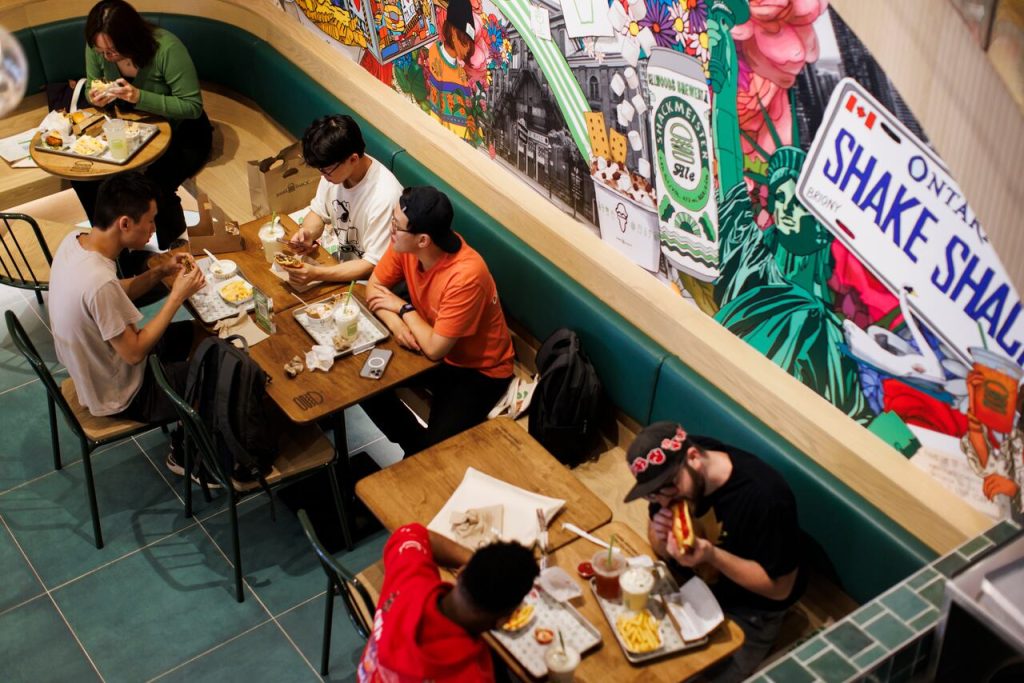
The Canadian dining landscape in 2026 is defined by a stark, paradoxical divide. While high-end establishments and exclusive fine-dining venues are reporting robust traffic and steady growth, the backbone of the industry—the quick service restaurant (QSR)—is struggling to stay afloat. As the cost of living continues to exert pressure on household budgets, the way Canadians choose to spend their disposable income has shifted, creating a “K-shaped” economy that is fundamentally changing the fast-food sector.
The Shrinking Middle: Why Fast Food is Losing its Appeal
For decades, the quick service industry relied on the “convenience factor” to drive consistent traffic. Whether it was a morning coffee or a mid-day burger, these outlets were considered an affordable necessity. However, as inflation and elevated interest rates persist into 2026, the perceived value of these meals has come under intense scrutiny.
According to recent industry data, 75% of Canadians are now dining out less frequently. This isn’t just a temporary dip; it is a fundamental shift in consumer behavior. With 81% of quick service operators reporting declining profitability, it is clear that the sector is feeling the brunt of the current economic climate more than its full-service counterparts.
The Price Sensitivity Shift
The psychological threshold for “affordable” has dropped significantly. Consumers are no longer just looking for speed; they are performing a cost-benefit analysis on every transaction. For many, the decision to skip a drive-through meal is a strategic move to preserve funds for more “meaningful” dining experiences—or simply to keep the grocery budget intact.
The K-Shaped Economy: Luxury vs. Survival
The divergence between fine dining and quick service is the most telling symptom of our current economic reality. In a K-shaped economy, the wealthy segment of the population remains largely insulated from cost-of-living pressures, continuing to treat fine dining as a primary form of entertainment.
Conversely, low-to-middle-income households—who traditionally make up the core customer base for QSRs—are being forced to cut back on discretionary spending. This demographic is increasingly opting to bring snacks from home or rely on grocery store meal solutions rather than paying the premium for fast-food convenience.
Fine Dining Resilience: High-end restaurants report that diners view their visits as an “event” or a “full night out.” This perceived value allows these venues to maintain traffic despite economic headwinds.
The QSR Struggle: Quick service operators are stuck in a cycle of rising food and labor costs, yet they have limited room to raise prices without alienating their already budget-conscious customers.
The Operational Tightrope: Balancing Volume and Margin
Restaurateurs like Matthew Senecal-Junkeer, owner of The Birds & The Beets in Vancouver, are at the epicenter of this shift. He notes a distinct difference in how customers approach his menu depending on the time of day. During the day, price sensitivity is high; at night, when the cafe transitions into a wine bar, customers are less concerned with the price tag.
This creates a difficult management dilemma:
- Volume vs. Margin: Operators must decide whether to keep prices low to maintain high transaction volume or increase prices to cover rising ingredient and operational costs, which risks losing customers entirely.
- The “Value” Trap: Large chains have attempted to lure customers back with “value meals” and aggressive promotions, such as $1 coffee or multi-item bundles. While this may keep traffic flowing, it does little to bolster long-term profitability when margins are already razor-thin.
The Broader Economic Implications
The decline of the quick service sector is not just a problem for restaurant owners; it has significant implications for the Canadian labor market. QSRs are the traditional training ground for the workforce, providing first jobs for thousands of young Canadians each year. As profitability wanes and outlets potentially shutter, the entry-level job market may face a contraction, exacerbating employment challenges for students and young adults.
Furthermore, competition from grocery stores has intensified. With the rise of high-quality, pre-prepared grocery meals, the convenience of a fast-food chain is no longer unique. If a consumer can pick up a ready-to-eat meal at a supermarket for a lower price than a drive-through combo, the QSR loses its competitive edge.
Strategies for Survival in 2026
To navigate this challenging environment, the restaurant industry is undergoing a “bold rethink.” Survival in the current climate requires more than just good food; it requires operational agility:
Diversification of Offerings: As seen with hybrid models like The Birds & The Beets, offering different experiences for different times of day can capture both budget-conscious lunch crowds and indulgence-seeking evening diners.
Loyalty and Tech Integration: Utilizing apps and loyalty programs to provide personalized discounts can keep customers engaged without resorting to permanent, margin-eroding price cuts.
- Efficiency Drives: With 91% of operators citing food costs and 87% citing labor as primary concerns, optimizing supply chains and staffing models is no longer optional—it is a survival necessity.
Conclusion: The Road Ahead
The current downturn in the quick service sector is a loud signal that the Canadian consumer is reaching a breaking point. While the fine-dining sector may continue to thrive as a bastion of luxury, the quick service industry must adapt to a new reality where “convenience” is no longer enough to justify a price increase.
As we move through 2026, the operators who succeed will be those who can provide genuine value, maintain operational efficiency, and understand that their customers are no longer just buying a meal—they are making a calculated financial decision. The “canary in the coal mine” has sung; now, the industry must respond.