Extradition Double Standards: Mexico’s Shifting Stance on Cartel-Linked Politicians

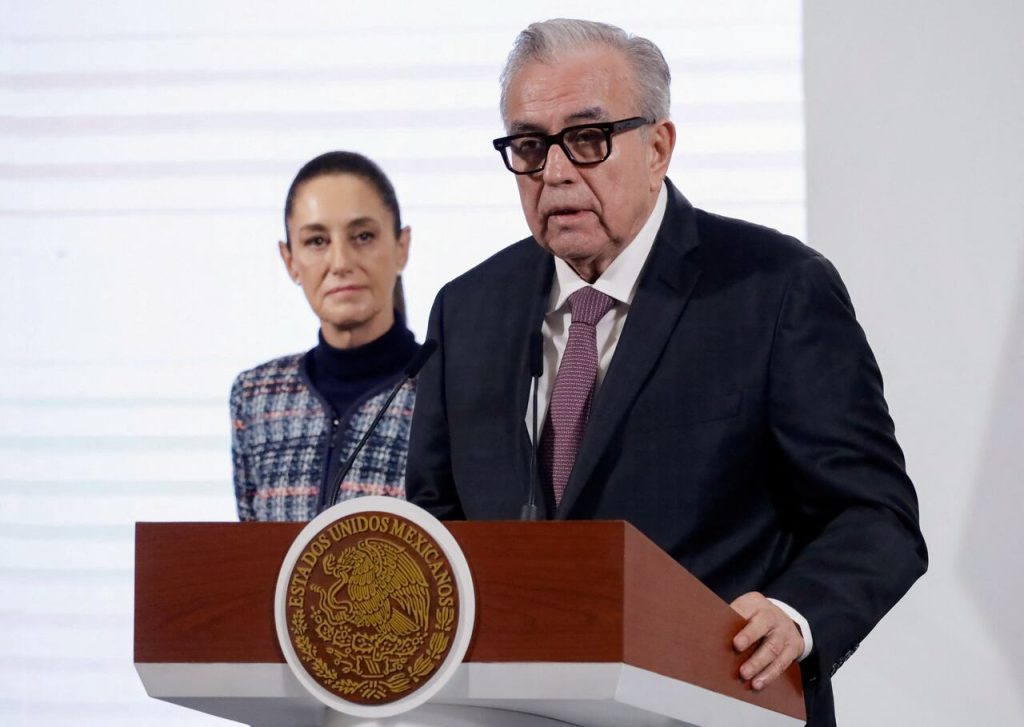
The delicate diplomatic dance between Washington and Mexico City has reached a boiling point in 2026. Following the U.S. indictment of high-ranking Mexican officials—most notably former Sinaloa Governor Rubén Rocha—the administration of President Claudia Sheinbaum has effectively moved the goalposts on extradition protocols. By demanding “irrefutable” evidence before considering the transfer of political figures, the Mexican government has sparked a fierce debate among legal experts and security analysts regarding transparency, sovereignty, and the application of the rule of law.
The Rocha Indictment: A Political Earthquake
On April 29, the United States Department of Justice unsealed a bombshell indictment. It accused Rubén Rocha, then the sitting governor of Sinaloa, alongside the mayor of Culiacán, a senator, and seven other former officials, of deep-seated collusion with the Sinaloa Cartel. The charges allege that Rocha facilitated a “free hand” for the sons of Joaquin “El Chapo” Guzmán in exchange for political support during his 2021 election campaign.
For the Sheinbaum administration, this was not merely a criminal matter; it was a perceived intrusion into Mexican domestic affairs. President Sheinbaum has publicly doubled down on a nationalist stance, asserting that Mexico will not permit foreign interference in its internal governance. However, critics argue that this rhetoric masks a calculated effort to shield members of the ruling Morena party from the reach of the U.S. justice system.
The “Double Standard” of Extradition
Legal experts are increasingly pointing to a glaring inconsistency in how the Mexican government handles extradition requests. While the administration now demands an impossibly high evidentiary bar for politicians, it has historically bypassed formal judicial processes for other suspects.
Marco Antonio Avilés, a prominent Mexico City attorney specializing in extradition law, notes that over the past 15 months, the government has transferred 92 individuals to the U.S. without the benefit of a traditional trial or appeal process. These transfers, often framed as “national security” measures, effectively function as forced exile.
The 92 Transfers: Individuals ranging from mid-level cartel associates to notorious figures like Miguel Ángel “Z-40” Treviño Morales were handed over with little to no legal resistance.
The Elite Exemption: When the accused are elected officials from the ruling party, the process suddenly requires “irrefutable proof,” effectively stalling the U.S. request indefinitely.
U.S. Pressure and the Trump Factor
Security analyst David Saucedo observes that the current U.S. administration, led by President Donald Trump, is shifting its strategy. Historically, U.S. officials used intelligence on Mexican politicians as leverage in trade or migration negotiations. Today, the strategy has moved toward direct prosecution.
“The Trump administration is under pressure to show results ahead of midterm elections,” Saucedo explains. “By targeting sitting officials, they are forcing Mexico City into a corner.” The U.S. government is clearly signaling that it no longer views political immunity as a barrier to prosecuting those it believes are fueling the narcotics crisis.
Sovereignty vs. Accountability
The Mexican government’s defense relies on the argument of national sovereignty. Deputy Arturo Ávila Anaya, a spokesperson for the Morena caucus, maintains that the previous mass transfers were legal under the government’s constitutional authority to manage “generators of violence.” He argues that sending cartel leaders to the U.S. was a necessary step because the Mexican prison system remains vulnerable to infiltration.
However, this logic crumbles when applied to the Rocha case. Critics argue that if the government can bypass the rights of 92 citizens for the sake of national security, it should hold its own officials to the same standard of accountability. By creating a higher threshold for politicians, the state risks appearing as though it operates under two different legal codes: one for the cartels and another for the political establishment.
Looking Ahead: A Path to Compromise?
Behind the scenes, the tension between the two nations is palpable. Reports suggest that the Sheinbaum administration is working on a counter-proposal: an agreement where the ten accused individuals would be investigated and prosecuted entirely within the Mexican justice system.
Whether the U.S. will accept this remains doubtful. Trust between the two justice departments is at an all-time low, and the U.S. has shown little appetite for letting Mexican courts handle high-profile cases involving the Sinaloa Cartel. As the months progress, the outcome of the Rocha case will likely serve as a bellwether for the future of U.S.-Mexico security cooperation.
Summary of Key Issues
- Selective Justice: The shift in evidentiary requirements suggests that political affiliation may be shielding suspects from extradition.
- Constitutional Concerns: The use of opaque “national security” transfers for non-politicians violates due process rights, according to legal scholars.
- Geopolitical Strain: The U.S. is no longer content with backroom deals, opting instead for public indictments that force the Mexican government to choose between its sovereignty and its relationship with Washington.
As Mexico enters a critical period in its security policy, the demand for transparency is growing. Whether the administration chooses to cooperate with the U.S. or continues to defend its current stance, the “goalpost” move has already left a lasting mark on the credibility of the country’s extradition framework.