Canary Islands Block Hantavirus-Stricken Cruise Ship: A Standoff Over Public Health Safety

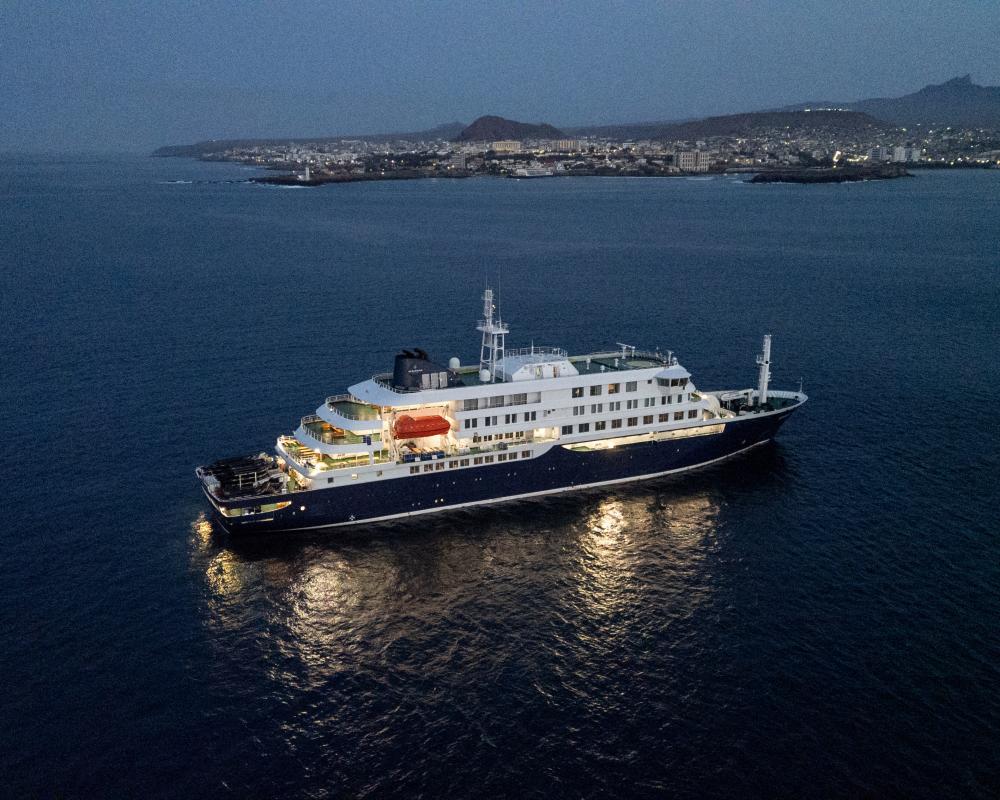
The maritime world is currently gripped by a high-stakes health crisis as the MV Hondius, a luxury cruise ship plagued by a deadly hantavirus outbreak, finds itself effectively stranded. As of May 6, 2026, the regional government of the Canary Islands has taken a firm, defiant stance, officially rejecting the vessel’s plans to dock at their archipelago. This decision marks a significant escalation in the ongoing international health emergency, pitting cruise operators against local authorities who prioritize regional safety over commercial transit.
The MV Hondius Crisis: An Overview of the Outbreak
The MV Hondius has been the epicenter of a harrowing health scare since late April. Initial reports confirmed that three passengers have tragically lost their lives, with medical experts suspecting the Andes strain of hantavirus as the primary cause. Unlike other common variations, the Andes strain is known for the rare but dangerous potential for human-to-human transmission, which has heightened concerns among global health agencies, including the World Health Organization (WHO).
Why the Canary Islands Said “No”
Fernando Clavijo, the leader of the Canary Islands administration, has been vocal about his opposition to the ship’s arrival. In a statement to radio station COPE, Clavijo emphasized that the decision was not based on technical criteria alone but on a fundamental lack of transparency and safety guarantees.
Lack of Reassurance: The administration argues that there has not been enough information provided to the public to ensure that docking the vessel would not pose a health risk to the archipelago’s residents.
Safety Concerns: Clavijo remains adamant that the current protocols in place are insufficient to contain a potential outbreak in a densely populated port area.
- Political Tension: The refusal has also exposed underlying friction between the regional government and the central administration of Prime Minister Pedro Sánchez, as Clavijo has requested an urgent meeting to address the failure in communication regarding the ship’s trajectory.
The Medical Reality: Evacuations and Global Health Impacts
While the ship remains anchored off the coast of Cape Verde, the focus has shifted toward the medical evacuation of those most severely affected. The ship operator, Oceanwide Expeditions, has confirmed that specialized aircraft are being deployed to transfer three individuals—two of whom are exhibiting acute symptoms—to specialized medical facilities.
The Andes Strain: A Rare Threat
The identification of the Andes strain of hantavirus by South Africa’s National Institute for Communicable Diseases (NICD) has added a layer of complexity to the situation. Research confirms that while hantavirus is typically spread via rodent droppings or urine, the Andes strain is the only one documented to transmit between humans. Although such transmission is rare and requires extremely close contact, the potential risk has forced European nations to increase their vigilance.
International Fallout
The impact of this outbreak is already being felt across Europe. The Swiss government has confirmed that one passenger from the vessel is currently receiving treatment in Zurich. Public health officials in Switzerland have moved quickly to reassure the population, stating that there is no current danger to the general public, yet the incident serves as a stark reminder of how quickly a maritime health crisis can turn into a continental concern.
Navigating the Intersection of Policy and Public Health
The standoff in the Canary Islands highlights a broader, growing tension between international travel, private cruise operators, and the sovereign rights of regional governments to protect their borders from biological threats.
The Role of the Central Government vs. Regional Autonomy
While Spanish state broadcasters had initially reported that the cruise ship was set to dock in Tenerife, the regional government’s swift rejection forced a rethink. This dynamic reflects the broader political landscape in Spain, where regional leaders are increasingly asserting their authority in matters of public health, especially when they perceive that the central government’s response lacks sufficient detail or local consideration.
Lessons from the 2026 Maritime Health Crisis
This incident serves as a critical case study for the cruise industry. As global travel resumes and intensifies, the necessity for a unified, transparent protocol for infectious disease outbreaks at sea has never been more apparent.
- Transparency is Key: Operators must provide real-time data to port authorities to build trust.
- Infrastructure Readiness: Ports must be equipped with dedicated, isolated quarantine facilities to handle such emergencies without compromising the general population.
- Communication Protocols: The friction between the Canary Islands and the Spanish central government underscores the need for streamlined communication channels during cross-border health crises.
A Broader Context: Europe’s Security and Stability
While the hantavirus crisis occupies the headlines, it is happening against a backdrop of wider European anxiety. Defense ministers, such as Poland’s Władysław Kosiniak-Kamysz, are warning that Europe must ramp up its defense spending to 5% by 2030 to remain secure in an increasingly volatile global landscape.
Furthermore, the ongoing diplomatic tension between Prime Minister Pedro Sánchez and the United States over the International Criminal Court (ICC) sanctions adds another layer of complexity to Spanish governance. As the EU debates the activation of its “Blocking Statute” to protect European companies from US-imposed sanctions, the administrative bandwidth of the Spanish government is being stretched thin by both domestic health crises and international geopolitical maneuvering.
Conclusion: The Path Forward
The situation regarding the MV Hondius remains fluid. As of mid-day Wednesday, the priority remains the safe medical evacuation of the infected passengers and the containment of the virus. Whether the ship will eventually be granted entry to a different European port or forced to remain at sea depends on the ability of the operator to provide the rigorous safety assurances demanded by local authorities like those in the Canary Islands.
For now, the world watches as the intersection of public health, regional politics, and maritime law unfolds. The refusal to dock sends a clear message: in a post-2026 reality, public safety is a non-negotiable priority that supersedes the convenience of commercial cruise schedules.