UN Security Council Escalates Pressure on Iran: New Resolution Targets Strait of Hormuz Navigation

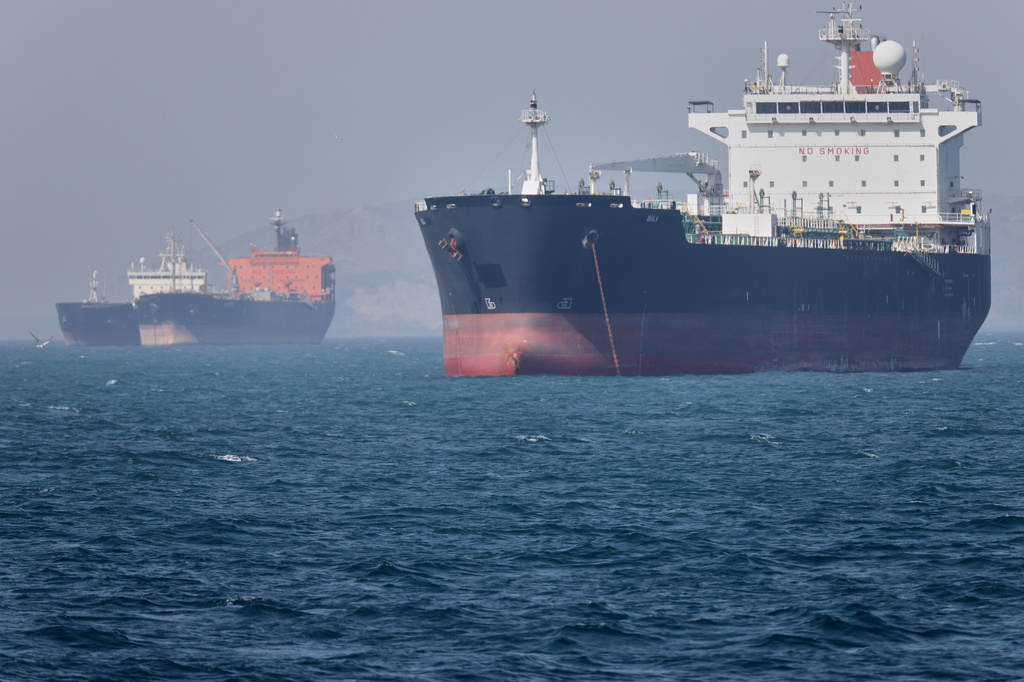
The geopolitical landscape of the Middle East remains on a knife-edge as we enter 2026. With the ongoing conflict that began in late February still casting a long shadow over global stability, the United Nations Security Council (UNSC) has unveiled a high-stakes draft resolution. This new proposal aims to force a change in Tehran’s maritime policy, specifically targeting the Strait of Hormuz, a critical artery for global energy supplies.
As the international community grapples with the fallout of the ongoing U.S.-Iran conflict, this resolution represents a decisive attempt by the Trump administration and its Gulf allies to formalize the protection of international waters. With the threat of Chapter 7 enforcement looming, the world is watching to see if diplomacy can succeed where military posturing has thus far failed.
The Core Mandates of the Proposed Resolution
The draft resolution, co-sponsored by the United States and several Gulf nations, is laser-focused on restoring the flow of commerce. It addresses three primary areas of concern that have severely disrupted shipping since the onset of the 2026 war:
- Cessation of Hostilities: The resolution demands an immediate halt to all attacks on commercial vessels navigating the Strait of Hormuz.
- Removal of Illegal Tolls: It explicitly calls for an end to the “illegal tolls” currently imposed on passing ships.
- Minefield Disclosure: To ensure safe passage, the resolution requires Iran to disclose the precise locations of all underwater mines deployed in the region.
Humanitarian Corridors and Economic Aid
Beyond the immediate security concerns, the resolution introduces a humanitarian dimension. It demands that Iran “immediately participate in and enable” the establishment of a UN-monitored humanitarian corridor. This corridor is intended to facilitate the delivery of vital aid, including food, medical supplies, and fertilizer, which have been in short supply due to the blockade and the broader conflict.
Strategic Implications of Chapter 7
What makes this resolution particularly significant—and potentially explosive—is its invocation of Chapter 7 of the UN Charter. Under the UN framework, Chapter 7 allows the Security Council to take enforcement action to restore international peace and security. This means the resolution is not merely a suggestion; it provides a legal mandate for the international community to use “effective measures” to ensure compliance.
If Iran refuses to comply, the resolution explicitly threatens the imposition of new, stringent sanctions. U.S. Ambassador Mike Waltz has expressed optimism regarding the resolution’s path, suggesting that this narrow, focused proposal is designed to gain the necessary support within the 15-member council without triggering the vetoes that derailed previous attempts.
The Diplomatic Tug-of-War
The road to this resolution has been paved with diplomatic failures. Earlier in 2026, a more comprehensive resolution aimed at opening the strait was effectively blocked by China and Russia. However, the current geopolitical environment, marked by a “shaky ceasefire” that has held since early April, has created a narrow window for this new proposal.
Why This Draft Could Succeed
Narrow Scope: By narrowing the focus to navigation and humanitarian aid, the U.S. hopes to peel away opposition from fence-sitting members.
Gulf Cooperation Council (GCC) Unity: The resolution is authored by Bahrain on behalf of the GCC, signaling a unified front from regional powers who bear the brunt of the maritime instability.
- Defense of Sovereignty: The draft reaffirms the inherent right of all nations to defend their vessels, providing a legal shield for international naval coalitions operating in the area.
Analyzing the Impact on Global Oil Markets
Before the conflict ignited on February 28, 2026, the Strait of Hormuz was responsible for transporting approximately 20% of the world’s crude oil. The disruption of this route has been a primary driver of global inflation and economic instability over the past year.
By forcing the issue of “freedom of navigation,” the UN is attempting to stabilize the energy markets. However, analysts warn that the situation remains fragile. Even with a resolution in place, the effectiveness of these measures depends entirely on the willingness of regional actors to abide by international law. If Tehran views the resolution as a pretext for further Western encroachment, the risk of a “snapback” of previous sanctions—or worse, a collapse of the current ceasefire—remains high.
The Path Forward: Peace or Escalation?
The resolution also “welcomes ongoing efforts to deconflict” and encourages regional dialogue. This is a vital inclusion, as it offers a face-saving exit strategy for Tehran. If Iran chooses to cooperate, it could potentially avoid the heavy weight of new sanctions and move toward a more durable, long-term peace agreement.
However, the history of UN resolutions regarding Iran is fraught with non-compliance. The legal framework provided by Chapter 7 is a double-edged sword: it offers a path to enforcement, but it also increases the likelihood of a direct military confrontation if the mandates are ignored. As the Security Council prepares for the vote, the world waits to see if this diplomatic maneuver will serve as the anchor for stability or the catalyst for further regional escalation.
Conclusion: A Critical Juncture
The proposed UN resolution is more than just a piece of diplomatic paperwork; it is a clear ultimatum. With the 2026 conflict still fresh in the minds of global leaders, the pressure to secure the Strait of Hormuz has reached a fever pitch. Whether this resolution succeeds in de-escalating the situation or serves as the precursor to a new round of sanctions will depend on the delicate balance of power within the Security Council and the strategic calculations currently being made in Tehran.
As we move deeper into 2026, the international community’s commitment to “freedom of navigation” will be tested like never before. The coming weeks will undoubtedly define the trajectory of the Middle East for the remainder of the year.