Hantavirus Explained: 10 Critical Facts You Must Know in 2026

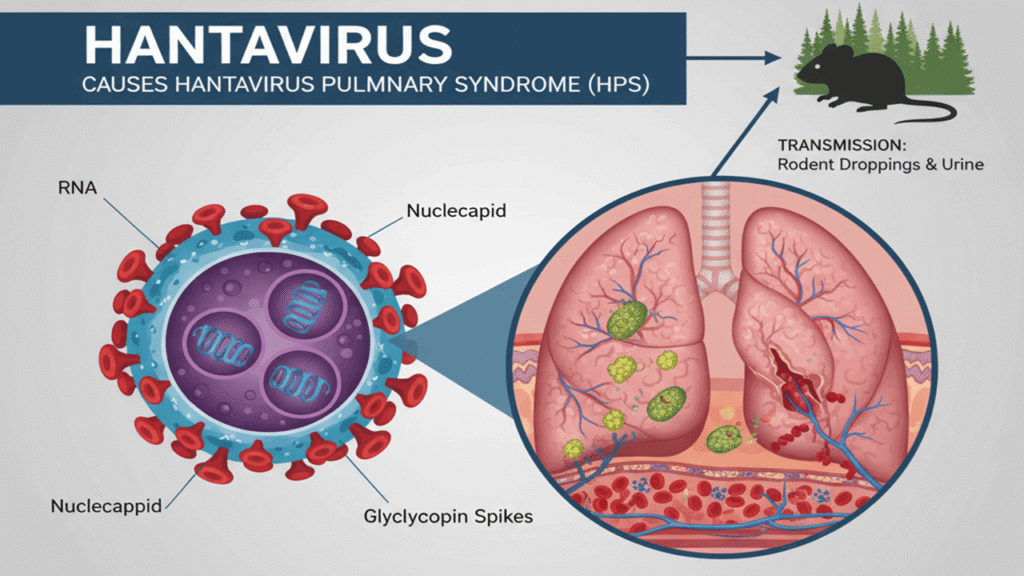
The global health community is currently on high alert following a chilling series of events in May 2026, where a suspected outbreak of hantavirus aboard a cruise ship traversing the Atlantic Ocean resulted in multiple fatalities. As passengers and health officials grapple with the sudden emergence of this rare but lethal pathogen, understanding the nature of the virus has never been more urgent.
While hantavirus is not typically a household name, its ability to cause severe respiratory and renal failure makes it a significant public health concern. Below, we break down the 10 most essential facts about hantavirus to help you understand the risks, the symptoms, and the current global landscape.
1. Rodents are the Primary Reservoir
At its core, hantavirus is a zoonotic disease, meaning it is transmitted from animals to humans. The virus is primarily carried by various species of rodents, including field mice, rats, and voles. Unlike some diseases where the animal host shows visible signs of illness, rodents often carry the virus without appearing sick themselves, making it difficult to identify high-risk environments.
2. Airborne Transmission is a Key Danger
One of the most insidious aspects of hantavirus is how it moves through the air. When rodent excrement—urine, droppings, or nesting materials—dries out, it can be disturbed by human activity. This creates aerosolized particles that contain the virus. If you inhale these microscopic droplets, the virus can enter your respiratory system, leading to infection. This is why cleaning out long-vacant sheds, cabins, or storage units is considered a high-risk activity.
3. Direct Contact and Bites
While inhalation is the most common route, direct contact remains a viable path for transmission. If you touch a contaminated surface and then touch your eyes, nose, or mouth, you risk infection. Furthermore, rodent bites or deep scratches can introduce the virus directly into the bloodstream. While less frequent than airborne exposure, these physical encounters should be treated as medical emergencies.
4. Hantavirus Pulmonary Syndrome (HPS)
The most feared manifestation of the virus is Hantavirus Pulmonary Syndrome (HPS). This condition targets the lungs, causing the tiny blood vessels in the lungs to leak fluid. As the alveoli fill with fluid, the patient’s ability to breathe is severely compromised. It is a rapid, aggressive disease that requires immediate hospitalization and, often, intensive care monitoring.
5. Early Symptoms Mimic Common Flu
Detecting hantavirus early is notoriously difficult because the initial symptoms are non-specific. Patients often report:
High fever and chills
Deep muscle aches (especially in the thighs and back)
Severe fatigue and exhaustion
Headaches and dizziness
Gastrointestinal distress (nausea, vomiting, or diarrhea)
Because these symptoms are identical to the seasonal flu or other viral infections, patients often delay seeking specialized medical attention until the respiratory symptoms—the hallmark of HPS—begin to set in.
6. The Mortality Risk is High
The medical community remains concerned about the lethality of HPS. According to data from the CDC and international health organizations, the mortality rate for HPS is approximately 38% once severe respiratory distress begins. The speed at which the virus progresses from “flu-like symptoms” to “acute respiratory failure” is why early intervention and supportive care are absolutely critical.
7. Haemorrhagic Fever with Renal Syndrome (HFRS)
In addition to HPS, certain strains of hantavirus cause Haemorrhagic Fever with Renal Syndrome (HFRS). Instead of focusing on the lungs, this form of the virus attacks the kidneys and the vascular system. Symptoms can include internal bleeding, severe low blood pressure, and acute kidney failure. It is a distinct but equally dangerous clinical pathway that requires different management strategies.

8. No Specific Antiviral Cure
As of 2026, there is no specific vaccine or antiviral medication approved to cure hantavirus. Treatment is almost entirely “supportive.” This means doctors provide oxygen therapy, mechanical ventilation, or dialysis to keep the body functioning while the immune system fights the infection. The lack of a “silver bullet” cure highlights why prevention is the most effective tool in our arsenal.
9. A Global Health Concern
While the recent cruise ship outbreak has put a spotlight on the virus in the Atlantic, hantavirus is a worldwide issue. Thousands of cases are reported annually, with high concentrations in regions of Asia and Europe. China, in particular, has historically reported a significant portion of global HFRS infections. The 2026 cruise ship incident serves as a stark reminder that in an interconnected world, rare pathogens can travel across oceans rapidly.
10. Prevention is Your Best Defense
Because there is no cure, avoiding exposure is paramount. Health authorities recommend the following steps:
Seal Entry Points: Use steel wool and caulk to block mice from entering your home or workspace.
Safe Cleaning: Never dry-sweep or vacuum rodent droppings. Use a bleach solution to dampen the area first, which prevents the virus from becoming airborne.
Protective Gear: Always wear gloves and, if necessary, an N95 respirator when cleaning areas where rodents have been active.
- Sanitation: Keep food stored in airtight containers and dispose of trash promptly to avoid attracting rodent populations.
The 2026 Cruise Ship Outbreak: What We Know
The recent tragedy involving a cruise ship traveling from Argentina to Cape Verde has sent shockwaves through the travel industry. With multiple deaths confirmed and several patients remaining in critical condition, the WHO has stepped in to assist with the investigation.
This cluster of cases underscores the importance of vector control on vessels and in enclosed spaces. As global travel continues to rebound, health surveillance systems are being tightened to ensure that potential outbreaks are identified before they reach a critical mass. The situation remains fluid, and travelers are advised to follow the guidance of local health authorities and cruise operators regarding hygiene and illness reporting.
Final Thoughts
Hantavirus is a formidable, albeit rare, adversary. While the recent headlines are alarming, the risk to the average person remains low provided that basic sanitation and rodent-control measures are followed. By staying informed about the symptoms—particularly the rapid onset of breathing difficulties—and prioritizing the removal of rodent habitats, we can significantly reduce the threat posed by this elusive virus. Stay vigilant, stay informed, and prioritize your respiratory health.