Prime Minister Keir Starmer Launches Major Review into Arts Council Funding Amidst Anti-Semitism Allegations

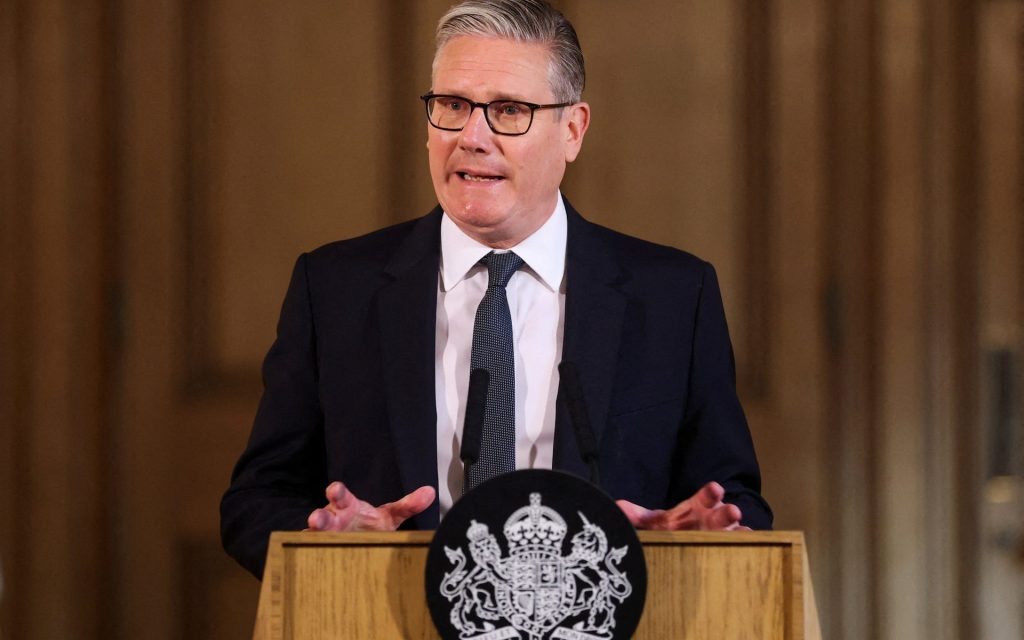
In a significant move that signals a hardening of the government’s stance on public accountability, Prime Minister Sir Keir Starmer has ordered a comprehensive review of Arts Council England (ACE). The directive follows mounting concerns that taxpayer money has been channeled into organizations that platform artists or promote narratives accused of anti-Semitism.
The Prime Minister’s intervention comes at a volatile time for the UK’s cultural sector, as the government seeks to balance artistic freedom with the fundamental responsibility to prevent the dissemination of hate speech. Following a high-level summit at Downing Street aimed at addressing the safety of Jewish communities, Starmer made it clear that “complacency” regarding anti-Jewish hatred will no longer be tolerated in publicly funded institutions.
The Core of the Controversy: Public Money and Public Trust
The primary driver of this government crackdown is the concern that public funds are being used to lend legitimacy to extremist ideologies. For years, the Arts Council has been tasked with distributing millions in grants to nurture creativity and cultural diversity. However, critics argue that a lack of rigorous vetting has allowed organizations to use these funds to host events or publish guidance that alienates and harms the Jewish community.
Key Drivers of the Review
The “Claw Back” Mandate: The Prime Minister has explicitly instructed the Arts Council to utilize its contractual powers to suspend, withdraw, or recover funding from any organization found to be promoting or platforming anti-Semitic rhetoric.
Accountability Gap: There is a growing belief that cultural bodies have operated with insufficient oversight, failing to identify tropes and conspiracy theories that contribute to a hostile environment.
- Protection of Jewish Talent: Beyond stopping hate, the government is looking at ways to ensure funding can be used to bolster “protective security costs,” ensuring that Jewish artists and institutions can participate in public life without fear.
Examining the Evidence: Why Now?
The decision to launch this review was not taken in a vacuum. It follows a series of incidents that have shaken the UK’s Jewish community, ranging from violent attacks in Golders Green to the firebombing of ambulances belonging to a Jewish-owned charity.
Past Failures in Oversight
The spotlight has fallen heavily on the Collections Trust, a charity sponsored by the Arts Council, which previously drew sharp criticism for its “inclusive terminology” guidance. The document, which has since been retracted, characterized Hamas as “anti-colonial freedom fighters” and utilized language that critics described as inflammatory and historically revisionist.
Furthermore, the Lakes International Comic Art Festival faced significant backlash for platforming Mohammad Sabaaneh. Despite the festival’s defense that the specific works displayed were not anti-Semitic, the inclusion of an artist known for controversial imagery depicting Jewish figures in a stereotypical, malicious light fueled the perception that the arts sector has become a safe harbor for anti-Zionist rhetoric that crosses the line into anti-Semitism.
The Government’s “Hard-Edged” Approach
During the Downing Street summit, Sir Keir Starmer was unequivocal: “In our cultural venues and spaces, we will also expect more.” This language reflects a shift from a supportive, hands-off approach to one of active supervision.
The Prime Minister emphasized that hatred often starts with ideas, misinformation, and tropes, which eventually metastasize into physical violence. By targeting the funding streams, the government aims to stop the proliferation of these ideas at the source. This “hard-edged” audit will examine where systems have failed and ensure that future enforcement is swift and consistent.
The Role of the Arts Council: A Call for Reform
Darren Henley, CEO of the Arts Council, has publicly acknowledged the need for change, noting that the organization has been in dialogue with Jewish community representatives to better understand how to tackle racism. However, for many, these words are insufficient.
The Campaign Against Antisemitism has been vocal in its criticism, suggesting that the Arts Council has been reactive rather than proactive. For the government, the goal is to transform the Arts Council from a passive funding body into a vigilant gatekeeper that ensures public money reflects the values of a tolerant, democratic society.
What Comes Next?
The review will likely result in:
- Stricter Grant Conditions: New clauses in funding agreements that explicitly prohibit the promotion of hate speech or the platforming of individuals who incite racial or religious hatred.
- External Auditing: Independent bodies may be brought in to review the vetting processes of grant applicants.
- Increased Transparency: A requirement for arts organizations to be more transparent about their programming and the ideological frameworks guiding their work.
Conclusion: Balancing Art and Responsibility
The tension between artistic expression and the prevention of hate speech is a perennial challenge. However, the Prime Minister’s recent actions underscore a clear priority: the state will not subsidize its own division. By holding the Arts Council accountable, Sir Keir Starmer is making a definitive statement that the cultural sector, like any other, must operate within the bounds of equality and respect.
As the review progresses throughout 2026, the arts sector will be under intense scrutiny. Whether this leads to a healthier, more inclusive environment or sparks a broader debate about censorship remains to be seen. What is certain, however, is that the era of “complacency” in the distribution of public cultural funds is coming to an end.