Deadly Hantavirus Outbreak on Cruise Ship: Is Human-to-Human Transmission the New Reality?

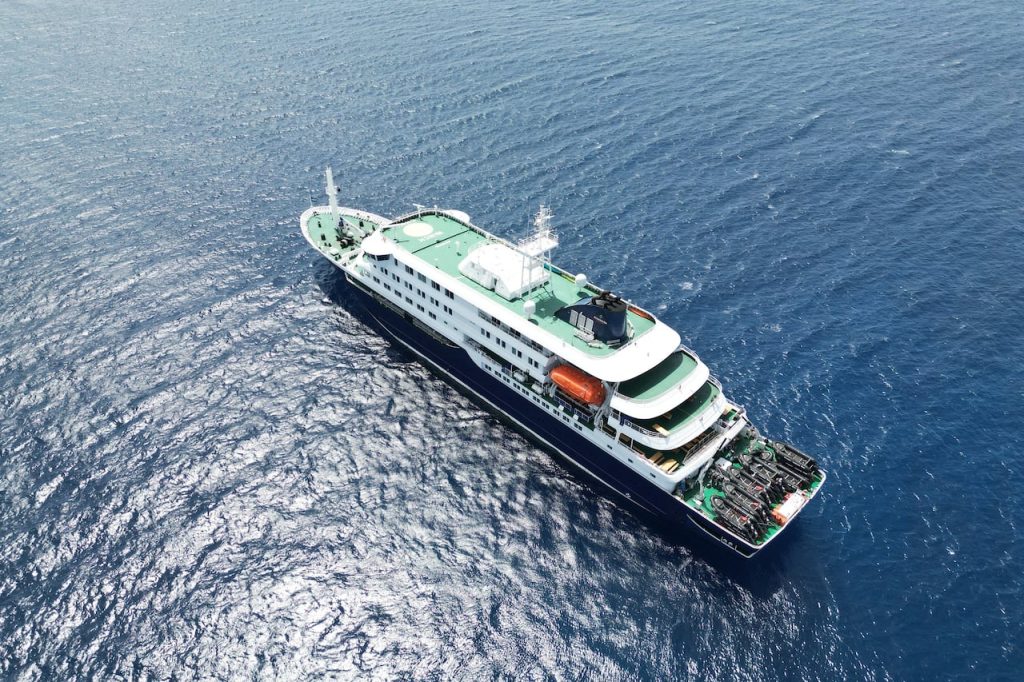
The global maritime community and health officials are currently on high alert following a chilling series of events aboard the MV Hondius. As of May 2026, this luxury expedition vessel remains stranded off the coast of Cape Verde, serving as the epicenter of a suspected hantavirus outbreak that has claimed three lives and left several others in critical condition. While hantavirus is historically known as a rodent-borne pathogen, the nature of this specific cluster has forced the World Health Organization (WHO) to consider a rare and alarming possibility: human-to-human transmission.
The MV Hondius Crisis: A Timeline of the Outbreak
The tragedy began during a month-long expedition that took passengers through remote Atlantic islands, with an initial departure point in Argentina. Between April 6 and April 28, passengers and crew began exhibiting severe symptoms, including high fever, gastrointestinal distress, and rapid progression to pneumonia and acute respiratory distress syndrome (ARDS).
Out of approximately 150 people on board, seven have fallen ill. The mortality rate of this cluster is particularly concerning; three individuals—a German passenger and a Dutch couple—have succumbed to the infection. The timeline of the Dutch couple’s passing is especially harrowing, as they fell ill at different stages of the journey, suggesting that the virus may have found a way to bridge the gap between hosts within the ship’s enclosed environment.
Understanding Hantavirus: Beyond the Rodent Vector
To understand why this outbreak is making international headlines, one must first understand the typical behavior of the virus. Hantaviruses are a family of viruses usually spread to humans through contact with the urine, feces, or saliva of infected rodents.
The “Andes” Variant: A Unique Threat
The primary suspect in this cruise ship crisis is the Andes variant. Unlike most “Old World” hantaviruses that cause hemorrhagic fever, the Andes variant—prevalent in South America—is uniquely capable of limited human-to-human transmission.
“While this is an outlier event, the Andes strain has historically shown the potential for person-to-person spread in extremely close, prolonged contact scenarios,” notes Dr. Maria Van Kerkhove, WHO’s director of epidemic and pandemic preparedness. This does not mean the virus is becoming airborne like influenza; rather, it suggests that within the tight, shared infrastructure of a cruise ship, the threshold for transmission may have been lowered.
Why Cruise Ships Are Potential Hotbeds for Pathogens
The closed-loop system of a cruise ship presents a unique challenge for infection control. Passengers share ventilation systems, plumbing, and close-quarters social spaces, creating an environment where pathogens can thrive if they gain an initial foothold.
Shared Infrastructure: Air circulation and common plumbing can act as conduits for viral aerosols or contaminated particles.
Close Proximity: High-density social interactions, particularly in dining and recreational areas, increase the likelihood of transmission between close contacts.
Isolation: Once a ship is at sea, the ability to isolate infected individuals effectively is limited by the ship’s medical facilities and the availability of specialized equipment.
Experts like Angela Rasmussen of the University of Saskatchewan emphasize that while this cluster is unusual, it serves as a stark reminder that hantavirus remains a circulating risk in rodent populations worldwide. The ship-bound nature of this incident is a “perfect storm” of environmental factors rather than a sign of a new, highly contagious pandemic strain.
The Global Response and Medical Evacuation
The situation off the coast of Cape Verde remains fluid. As of early May 2026, specialized aircraft are being deployed to evacuate the remaining sick passengers, including those in urgent need of intensive care. Contact tracing is currently underway for passengers who have already disembarked, particularly those who traveled on flights from the ship’s route.
Is There a Risk to the General Public?
Health officials are urging calm. The WHO maintains that the risk to the general population is low. Unlike COVID-19 or the flu, hantavirus is not known for widespread community transmission. Even in the case of the Andes variant, secondary infections are usually limited to healthcare workers or family members providing direct, intimate care.
Prevention and Awareness: What You Should Know
While the MV Hondius outbreak is a rare, isolated event, it highlights the importance of environmental hygiene. Whether at home or traveling in remote areas, basic precautions can significantly mitigate the risk of rodent-borne diseases:
- Seal Entry Points: Ensure that living spaces are secure against rodent intrusion.
- Use Protection: When cleaning areas where rodents have been present, always wear a respirator (N95 or higher) and use wet cleaning methods to avoid kicking up contaminated dust.
- Sanitize: Use disinfectant solutions to clean surfaces that may have been exposed to rodent droppings.
- Stay Informed: If traveling to areas known for hantavirus, such as parts of South America, be aware of the symptoms and seek medical attention immediately if respiratory distress occurs.
Conclusion: A Rare, Yet Serious Alert
The MV Hondius* tragedy is a somber reminder of nature’s volatility. While the likelihood of a global hantavirus outbreak remains minuscule, the suspected human-to-human transmission on this cruise ship underscores the need for rigorous medical surveillance and rapid response protocols in maritime travel. As the world watches the situation in Cape Verde unfold, the focus remains on the survival of the remaining patients and the containment of the Andes strain.
For the general public, the lesson is clear: while we shouldn’t fear a new pandemic, we must respect the potential danger of rodent-borne pathogens and maintain awareness of our surroundings, especially in enclosed or remote environments.