Preserving Heritage: Sinn Féin’s Caoimhe Archibald Steps In to Save Northern Ireland Place-Name Project

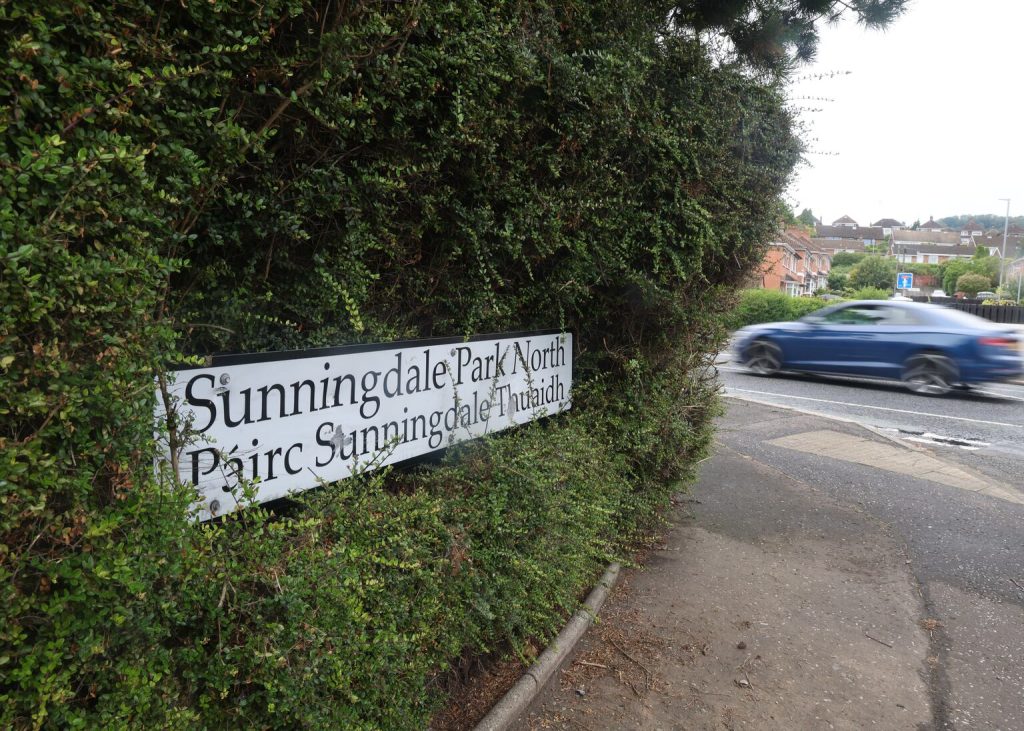
In a move that has sent ripples through the political and cultural landscape of Northern Ireland in 2026, Economy Minister Caoimhe Archibald has officially intervened to rescue the Northern Ireland Place-Name Project. The initiative, which was on the brink of collapse following a high-profile funding dispute between Stormont departments, is now set to continue its essential work in mapping and translating the region’s rich linguistic history.
The intervention is being hailed by language advocates as a victory for cultural preservation, while simultaneously highlighting the ongoing friction within the Executive regarding the promotion of the Irish language. As we move further into 2026, the debate over dual-language street signs and the protection of indigenous heritage remains a cornerstone of Northern Irish identity politics.
The Crisis: A Project on the Brink of Extinction
The Northern Ireland Place-Name Project, based at Queen’s University Belfast, recently sent shockwaves through the community when it announced it was “winding down” activities. For nearly four decades, this project has served as the definitive authority on the origins and meanings of local townlands, settlements, and physical features.
With a database of over 30,000 names, the team—led by Professor Mícheál Ó Mainnín—has been the backbone of the north’s 11 councils. Their primary role in recent years has been providing accurate Irish translations for the surge in dual-language street signage requests. Without their expertise, the legal and cultural integrity of these signs faced significant risk.
Archibald’s Strategic Intervention
On a Tuesday evening that many Irish language enthusiasts will remember as a turning point, Minister Archibald announced her decision to “step in.” By securing the necessary funding, the Economy Department has effectively bypassed the administrative deadlock that threatened to silence the project.
Archibald stated that her department would ensure the project could “continue its vital work,” specifically highlighting the need for accurate translations and the protection of “important heritage.” This move is seen not just as a financial rescue, but as a political statement affirming Sinn Féin’s commitment to the Irish Language Act and cultural visibility.
Why the Project Matters in 2026
Linguistic Accuracy: It prevents “google-translate” errors on official government signage.
Historical Record: It preserves the etymology of townlands that date back centuries.
Council Support: It provides a streamlined service for local authorities implementing dual-language policies.
Educational Resource: The project serves as a massive open-access archive for researchers and the public.
The Funding Row: A Game of Political Ping-Pong
The near-collapse of the project was the result of a protracted “blame game” between the Department for Communities (DfC) and the Department of Finance.
DUP Communities Minister Gordon Lyons argued that the decision to halt the £90,000 annual funding was rooted in decisions made by the Finance Department, previously led by Sinn Féin’s John O’Dowd. Lyons maintained that the funding issue “never reached his desk” and pointed to emails suggesting the Finance Department was no longer prepared to foot the bill.
However, the Department of Finance countered this, stating that responsibility for the project had officially transferred to the Department for Communities in 2022. The “understanding” was that Minister Lyons’ department would manage the longer-term funding beyond the initial transition period.
Advocacy and Outrage: Conradh na Gaeilge Speaks Out
The Irish language advocacy group Conradh na Gaeilge was instrumental in bringing this issue to the public eye. Conchúr Ó Muadaigh, the group’s advocacy manager, was vocal in his criticism of the Department for Communities. He argued that the “ultimate responsibility” to sustain the scheme lay squarely with Minister Lyons.
According to Ó Muadaigh, the Place-Name Project had flagged these funding concerns as early as November 2025. He characterized the situation as a result of “departmental mismanagement and ministerial negligence,” suggesting that the project’s near-closure was an intentional sidelining of Irish culture.
The Paper Trail
In an attempt to clarify the situation, a written Assembly question from January 2026 revealed that funding was technically available until the summer of 2026. However, the lack of a commitment for the period following that date led the Queen’s University team to begin the redundancy and winding-down process prematurely to protect staff.
Political Fallout: “An Assault on Our Culture”
The rhetoric surrounding the rescue has been sharp. Colm Gildernew MLA, a party colleague of Archibald, described the potential loss of the organization as “an assault on our culture.” He accused Minister Lyons of attempting to make the Irish language “invisible,” a claim the DUP has vehemently denied.
On the other side of the aisle, DUP Leader Gavin Robinson dismissed the episode as “manufactured drama.” He accused Sinn Féin of a “scrap, complain, restore” cycle designed to create outrage and then position themselves as the saviors of the language, all while blaming Unionist ministers for administrative hurdles.
The Future of the Northern Ireland Place-Name Project
With Archibald’s intervention, the immediate future of the project is secure. However, the episode has highlighted the fragility of cultural funding in a divided Executive. For the project to thrive beyond 2026, a permanent, ring-fenced funding model is likely required.
What’s Next for the Project?
- Staff Retention: Re-hiring or retaining the specialized researchers who were in the process of leaving.
- Backlog Clearance: Addressing the surge in requests for street sign translations from councils like Belfast, Mid Ulster, and Fermanagh & Omagh.
- Digital Expansion: Continuing to update the placenamesni.org database for public use.
- Legislative Protection: Seeking formal recognition under the cultural frameworks established by the New Decade, New Approach agreement.
Conclusion: A Victory for Shared History
Regardless of the political sparring, the survival of the Northern Ireland Place-Name Project is a win for historical accuracy. Place-names are more than just labels; they are a map of the migrations, victories, and daily lives of those who inhabited the land long before modern borders existed.
By “stepping in,” Caoimhe Archibald has not only saved a team of researchers but has ensured that the “vital work” of translating the landscape continues. As Northern Ireland navigates the complexities of 2026, the preservation of such heritage remains essential for a society seeking to understand its past while building a shared future.
This article provides an in-depth analysis of the 2026 funding intervention for the Northern Ireland Place-Name Project. All information is based on the evolving political context of the Northern Ireland Executive and the ongoing implementation of language rights.