The Heartland Crisis: Why Labour is Fighting for Its Soul in Bradford

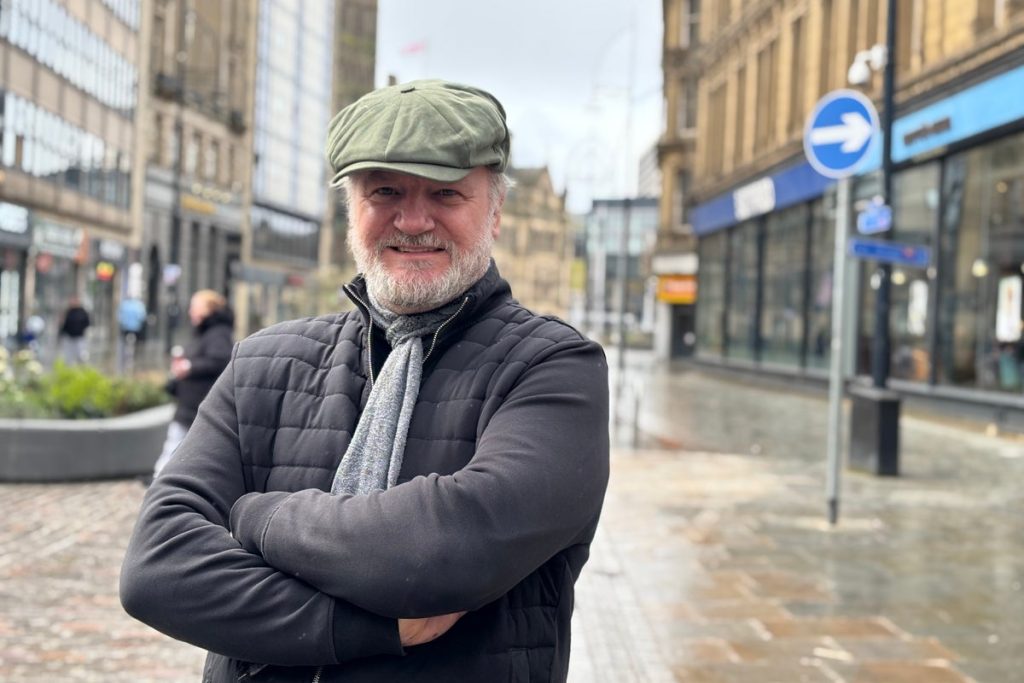
The city of Bradford holds a unique, almost sacred place in British political history. It was here, amidst the soot and ambition of the Industrial Revolution, that the Independent Labour Party (ILP) was born. For over a century, the city served as the beating heart of working-class representation. However, as we move through 2026, the relationship between this West Yorkshire hub and the party that claims it as its birthplace has become fractured, strained, and arguably broken.
Labour is currently facing a “battle on both fronts” in Bradford. With local elections intensifying, the party is struggling to reconcile its national platform with the harsh, lived realities of a city grappling with the long-term aftershocks of deindustrialisation.
A City in Search of Reinvention
Walking through Bradford city centre, the architectural grandeur of the Victorian era remains, but it stands in stark contrast to the modern-day malaise. Empty units, boarded-up storefronts, and a palpable sense of economic stagnation dominate the narrative.
Local business owners like John Varey, who runs the florist shop Blossoms, reflect a widespread sentiment among the populace. Varey notes that many residents feel the Labour Party has lost its grip on the concerns of the working class. “It’d be nice to get a clear out and start again,” he says, articulating a desire for a political reset that transcends traditional party lines.
For many, the current iteration of the Labour Party is perceived as disconnected. Varey suggests that the party’s appeal has shifted toward those residing in affluent green-belt areas, leaving the industrial heartlands feeling abandoned and ignored.
The Decline of the Industrial Giant
Bradford’s history is inextricably linked to the textile industry. It was once the “textile city of the world,” a place where the Wool Exchange served as a global hub for trade. Today, that same building serves as a Waterstones bookstore—a silent testament to the shift from manufacturing to a service-based economy that has yet to fully materialise in the region.
John Wilkinson, an 87-year-old retired bricklayer, views the city’s decline through a lens of nostalgia for a more decisive era. A self-described “true blue” Conservative, Wilkinson laments the loss of the chimneys and the thriving mills that once defined the skyline. For him, the failure of the city is a failure of leadership, and he sees the current council as lacking the “push” required to reclaim Bradford’s former glory.
The “Both Fronts” Dilemma
Labour’s struggle in 2026 is twofold. On one side, they must defend their traditional base against a surging Reform UK, which is capitalising on voter disillusionment and the desire for radical change. On the other, they are losing ground to the Green Party, which is gaining traction among younger, environmentally-conscious voters who feel Labour’s policies lack the necessary ambition.
Prithpal Singh, who operates the ice cream shop ICreams, highlights the practical challenges of running a business in a city centre that lacks a clear identity. He observes that footfall is the primary victim of the city’s current state. “There are three businesses for sale on this street,” he explains. “One of them has been there for 35 years. That says a lot.”
For Singh and others, the question isn’t just about which party is in power; it is about whether the council has the resources to make a tangible difference. Years of austerity-driven funding cuts have hollowed out local government, leaving many residents questioning if a change in administration would even alter the fundamental constraints of the budget.
The Feeling of Being “Beholden to London”
A recurring theme throughout the city is the sense of powerlessness. Whether the council is Labour, Conservative, or a coalition of independents, many citizens feel that the city is ultimately at the mercy of decisions made in Westminster.
Marina Chapman, 78, who moved to Bradford in the 1970s, captures this sentiment perfectly: “Whether it’s Labour or Conservative, it’s the same. We are beholden to London.” This feeling of being a peripheral entity in a London-centric political system is perhaps the greatest hurdle Labour faces in reclaiming its stronghold.
Looking Toward the Future
As the local elections loom, the landscape in Bradford is more volatile than it has been in decades. With Labour holding 46 of the 90 council seats, the possibility of a “no overall control” scenario or a shift toward a multi-party council is becoming increasingly likely.
Key Factors Influencing the Vote:
- Economic Stagnation: The inability of the local council to attract investment and drive high-street regeneration.
- Anti-Social Behaviour: A growing concern among residents regarding the safety and appeal of the city centre.
- Political Disillusionment: A widespread feeling that national parties are out of touch with the specific needs of Northern industrial towns.
- The Rise of Third Parties: The emergence of Reform UK and the Green Party as viable alternatives to the traditional Labour-Conservative duopoly.
Conclusion: A Turning Point for Labour
Bradford is not just another city; it is a symbol. If the Labour Party cannot find a way to re-engage with the people of the city where its roots were first planted, it serves as a stark warning for its future across the rest of England.
The battle on both fronts—against the encroachment of populist alternatives and the apathy of a disillusioned public—requires more than just campaign rhetoric. It requires a fundamental rethink of how the party connects with the working class, how it manages local governance under tight fiscal constraints, and how it proves to the people of Bradford that it is still, after all these years, on their side.
As we look toward the remainder of 2026, the results in Bradford will be a litmus test for the health of the Labour Party. Whether they can restore the trust of voters like John Varey and Prithpal Singh will determine if the birthplace of the movement remains its bastion or becomes a relic of a bygone era.