Oil Prices Slide 3% as Strait of Hormuz Reopens Under U.S. Naval Escort

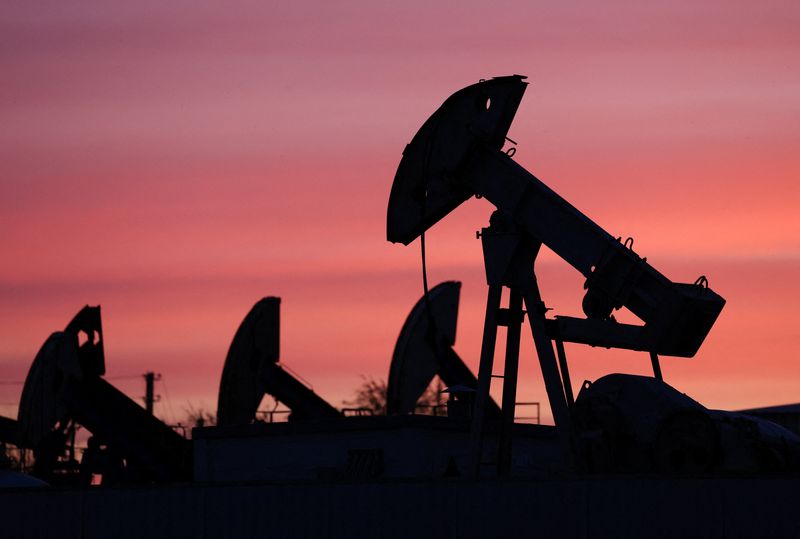
Global energy markets experienced a significant cooling off this Tuesday as oil prices tumbled approximately 3% following reports that a fragile ceasefire between the United States and Iran is holding. The market, which had been pricing in a massive risk premium due to the closure of the Strait of Hormuz, reacted sharply to the news of a successful vessel transit and diplomatic signals from Washington.
As of mid-day trading, Brent crude futures dipped by 3.4% to trade at $110.61 a barrel, while U.S. West Texas Intermediate (WTI) saw a sharper correction, falling 4% to $102.19. This volatility underscores the extreme sensitivity of the global economy to the geopolitical stability of one of the world’s most critical maritime chokepoints.
The Fragile Ceasefire: Why Markets Are Breathing a Sigh of Relief
The recent escalation in the Middle East had pushed oil prices to levels not seen in years, as traders feared a prolonged blockade of the Strait of Hormuz—the passage through which roughly 20% of global oil supplies typically flow. The sudden shift in sentiment comes after Defense Secretary Pete Hegseth confirmed that the U.S. military has secured a path for commercial shipping.
“Project Freedom” and Naval Escorts
The U.S. Navy’s initiative, dubbed “Project Freedom,” has begun escorting tankers through the waterway. The successful transit of the Alliance Fairfax, a U.S.-flagged vehicle carrier, acted as a crucial proof-of-concept for the international shipping community.
While the situation remains tense—marked by reports of missile exchanges and drone activity—the fact that shipping lines are slowly resuming operations has provided a much-needed psychological floor for commodity traders. Analysts at Gelber & Associates note that the market is currently “chipping away at the worst-case supply disruption fears,” replacing panic with a more measured, albeit cautious, outlook.
Geopolitical Stance and Regional Implications
The diplomatic landscape remains complex. President Donald Trump has taken a hardline stance, publicly dismissing Iran’s military capabilities and calling on Tehran to wave the “white flag of surrender.” Despite the rhetoric, the fact that a ceasefire remains in place suggests that back-channel negotiations may be yielding results.
The Role of International Allies
The crisis has forced other nations to reconsider their naval presence in the region. South Korea, for instance, is currently evaluating whether to join the U.S.-led coalition to protect its energy shipments. This deliberation follows a harrowing incident involving an explosion and fire on a Korean-operated vessel, which served as a stark reminder of the risks involved in transiting the Gulf under current conditions.
For global powers, the priority is clear: preventing a total supply shock. The 2026 Strait of Hormuz crisis has been characterized as the most significant disruption to world energy supplies since the 1970s, impacting not just oil, but also commodities like aluminum, fertilizer, and helium.
Market Analysis: What’s Next for Crude Inventories?
Beyond the headlines of naval escorts and diplomatic maneuvering, traders are turning their eyes toward fundamental data. The American Petroleum Institute (API) and the U.S. Energy Information Administration (EIA) are expected to release their weekly storage reports, which will provide a clearer picture of how the crisis has impacted domestic inventory levels.
Inventory Trends to Watch
Anticipated Drawdown: Analysts are projecting a draw of 2.8 million barrels of crude from storage for the week ending May 1.
Historical Context: If this projection holds, it would mark the second consecutive week of inventory declines—a trend not seen since January 2026.
Supply vs. Demand: A consistent drawdown suggests that despite high prices, global demand remains resilient, or that supply chain bottlenecks caused by the Strait’s closure have prevented normal restocking cycles.
The Long-Term Outlook: A “One-Off” or Real Normalization?
While the 3% slide in oil prices is a welcome development for consumers and central banks fighting inflation, experts warn against premature optimism. Tim Waterer, chief market analyst at KCM Trade, emphasized that the recent transit of the Alliance Fairfax* should be viewed as a “one-off event” rather than a signal that the Strait is fully reopened for business as usual.
The “risk premium” baked into oil prices remains elevated because the underlying cause of the conflict has not been resolved. As long as the ceasefire is described as “fragile,” market participants will likely remain on edge. Any further uptick in military activity—or a failure to maintain the safety of the escorted convoys—could quickly reverse the current downward trend in energy prices.
Conclusion
The events of this week highlight the precarious nature of global energy security in 2026. While the U.S. military’s escort missions have provided a temporary reprieve and a path for some vessels to exit the Gulf, the oil market remains caught in a tug-of-war between diplomatic hope and geopolitical reality. Investors should expect continued volatility as the world watches whether this fragile ceasefire can hold or if the Strait of Hormuz will once again become the epicenter of a global supply crisis.