Escalating Tensions: Iran Warns of “Heavy Assault” as Fragile Ceasefire Hangs by a Thread

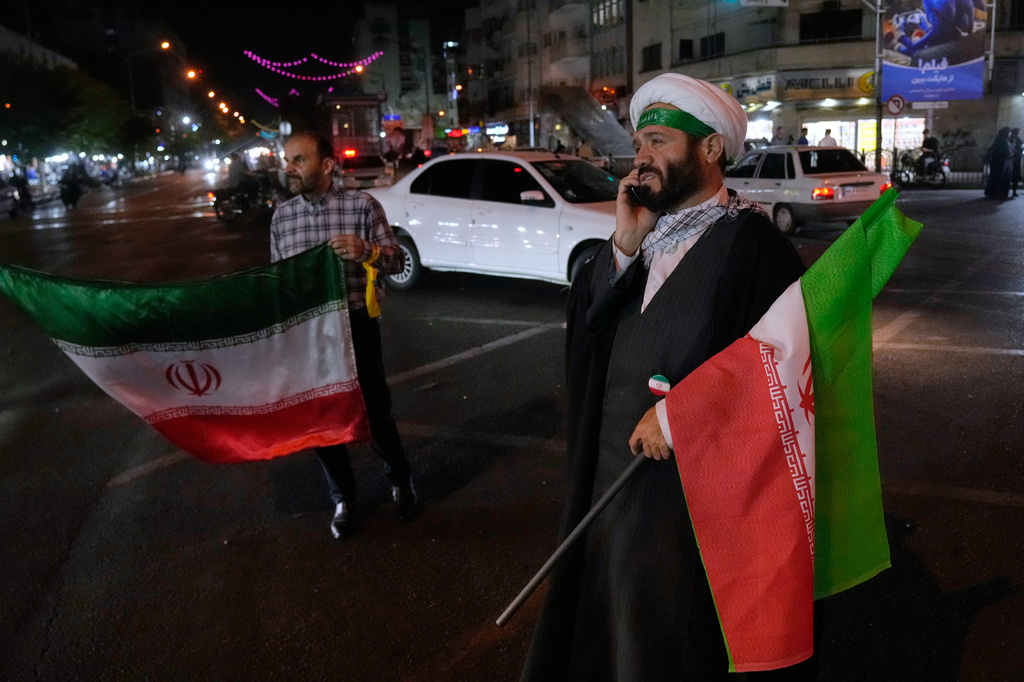
The geopolitical landscape of the Middle East remains on a knife’s edge as of mid-2026. Despite a month-long ceasefire that international mediators have fought tooth and nail to preserve, the fragile peace between the United States and Iran is under immense pressure. Following a series of U.S. naval strikes against Iranian oil tankers attempting to breach the ongoing blockade, the Islamic Revolutionary Guard Corps (IRGC) has issued a chilling warning: any further aggression against their maritime fleet will be met with a “heavy assault” on U.S. military bases throughout the region.
This latest flare-up signals that while diplomatic channels remain open, the operational reality on the ground—and at sea—is anything but stable. As global powers watch the Strait of Hormuz, the world’s most critical energy chokepoint, the question remains: can diplomacy overcome the cycle of military retaliation, or are we witnessing the dawn of a wider, more destructive regional conflict?
The Maritime Standoff: Blockades and Retaliation
The current crisis is largely defined by the struggle for control over the Strait of Hormuz. Since the onset of hostilities on February 28, 2026, the waterway—vital for global oil and gas transit—has been effectively paralyzed. The U.S. military has enforced a strict blockade on Iranian ports, aiming to starve the regime’s war machine of critical revenue and resources.
U.S. Naval Operations and the “Disabled” Fleet
According to U.S. Central Command, the naval blockade has been aggressive. As of mid-April 2026, U.S. forces have successfully turned back 58 commercial vessels and officially “disabled” four ships suspected of attempting to bypass international sanctions. These actions, intended to curb Iran’s ability to export oil, have directly triggered the IRGC’s vow of retaliation.
The strike on two Iranian oil tankers on Friday served as the latest catalyst for the IRGC’s rhetoric. Tehran views these interceptions not merely as enforcement of sanctions, but as direct acts of war against its sovereignty. By threatening to strike U.S. bases in the region, the IRGC is attempting to re-establish a deterrence strategy that has been severely eroded by the U.S.-led coalition.
Regional Instability: The Bahraini Crackdown
The situation is further complicated by internal security measures in neighboring states. Bahrain, which serves as the regional headquarters for the U.S. Fifth Fleet, recently announced the arrest of 41 individuals allegedly linked to the Revolutionary Guard.
The Bahraini interior ministry claims these individuals were facilitating the transfer of funds to Iran to support what the government describes as “terrorist operations.” However, human rights organizations argue that the kingdom is leveraging the current Iran-U.S. war as a pretext to silence domestic political dissent. The demographic complexity of Bahrain—a Sunni-led monarchy with a majority-Shiite population—makes it a prime flashpoint for Iranian influence operations and regional sectarian tension.
The Diplomatic Chessboard: Who Holds the Keys to Peace?
While military assets remain on high alert, diplomats are working “day and night” to prevent a full-scale conflagration. The U.S. administration, led by President Donald Trump, has maintained a dual-track strategy: enforce the blockade while simultaneously dangling a potential peace deal that would involve rolling back Iran’s nuclear program and reopening the Strait of Hormuz.
The Russian and Saudi Proposals
Russia has positioned itself as a critical broker, with President Vladimir Putin pushing for a plan to secure Iran’s enriched uranium. By bringing this material under the control of the International Atomic Energy Agency (IAEA), Moscow hopes to create a verifiable pathway toward de-escalation. Meanwhile, Saudi Arabia and Pakistan have been actively mediating, urging both Washington and Tehran to move beyond the current impasse and agree to a long-term, sustainable peace.
The “Deadlines” Dilemma
Despite the pressure, Tehran has shown a degree of defiance. Foreign ministry spokesperson Esmail Baghaei recently stated that Iran is not beholden to arbitrary deadlines set by the U.S. This stance highlights the difficulty of the negotiation process; the U.S. demands total compliance regarding the nuclear program, while Iran seeks the lifting of the blockade and the recognition of its regional influence.
The Mystery of Mojtaba Khamenei
Amidst the chaos of war, the absence of Iran’s new Supreme Leader, Mojtaba Khamenei, has become a subject of intense international speculation. Since the death of his father, Ayatollah Ali Khamenei, at the beginning of the conflict, Mojtaba has been largely out of the public eye.
Official sources within the Iranian government claim he is in “complete health” and suggest his absence is a security precaution. There are reports that he suffered back and knee injuries during the opening days of the war, but officials insist he will eventually make a public appearance to solidify his leadership. His silence, however, leaves a power vacuum that complicates any potential peace treaty, as international negotiators remain uncertain about who holds the ultimate authority to sign off on a deal.
Global Implications: Energy Markets and Future Security
The closure of the Strait of Hormuz has sent shockwaves through the global economy. Fuel prices have spiked, and international shipping companies remain hesitant to resume operations in the Persian Gulf. The deployment of the British warship HMS Dragon and the movement of a French aircraft carrier strike group into the Red Sea underscore the international community’s anxiety.
A Coalition in Waiting
Britain and France are actively organizing a maritime coalition to ensure the safe passage of commercial vessels once the fighting stops. However, these nations have been clear: they will not initiate this mission until a sustainable ceasefire is firmly established. The maritime industry, reeling from the unpredictability of the region, is waiting for definitive signs that the “heavy assault” threats are no longer credible.
Conclusion: A Path Forward?
The coming weeks will be decisive. The “tenuous ceasefire” is currently holding, but it is a fragile structure built on mutual suspicion. If the U.S. continues its naval interdictions and Iran continues to threaten regional bases, the risk of a miscalculation leading to a catastrophic war increases daily.
For peace to take hold, both sides must move past the rhetoric of “heavy assaults” and “deadlines.” The involvement of Russia, Saudi Arabia, and regional powers like Pakistan is a positive sign, but ultimately, the resolution hinges on whether the U.S. and Iran can reach a compromise that addresses nuclear proliferation without sacrificing regional security. Until then, the world watches the Strait of Hormuz with bated breath, waiting to see if the ceasefire will hold or fracture under the weight of deep-seated geopolitical rivalries.